What Is Ranch Steak? The Underrated Chuck Cut Worth Knowing
If you've ever walked past a package labeled "ranch steak" at the grocery store and wondered what it actually is, you're not alone. The ranch steak is one of those cuts that most people overlook — partly because the name doesn't tell you much, and partly because it sits in the budget section next to stew meat and ground chuck. But here's the thing: ranch steak is one of the most underrated grillable steaks on the entire animal, and at around $5 to $8 per pound, it delivers far more flavor than its price tag suggests.
Unlike trendy "butcher's cuts" that have been rebranded and marked up, ranch steak has stayed under the radar. It's a genuine working-class steak that rewards anyone willing to learn how to handle it properly. If you appreciate cuts like the flat iron or Denver steak, the ranch steak belongs on your list.
Where Ranch Steak Comes From
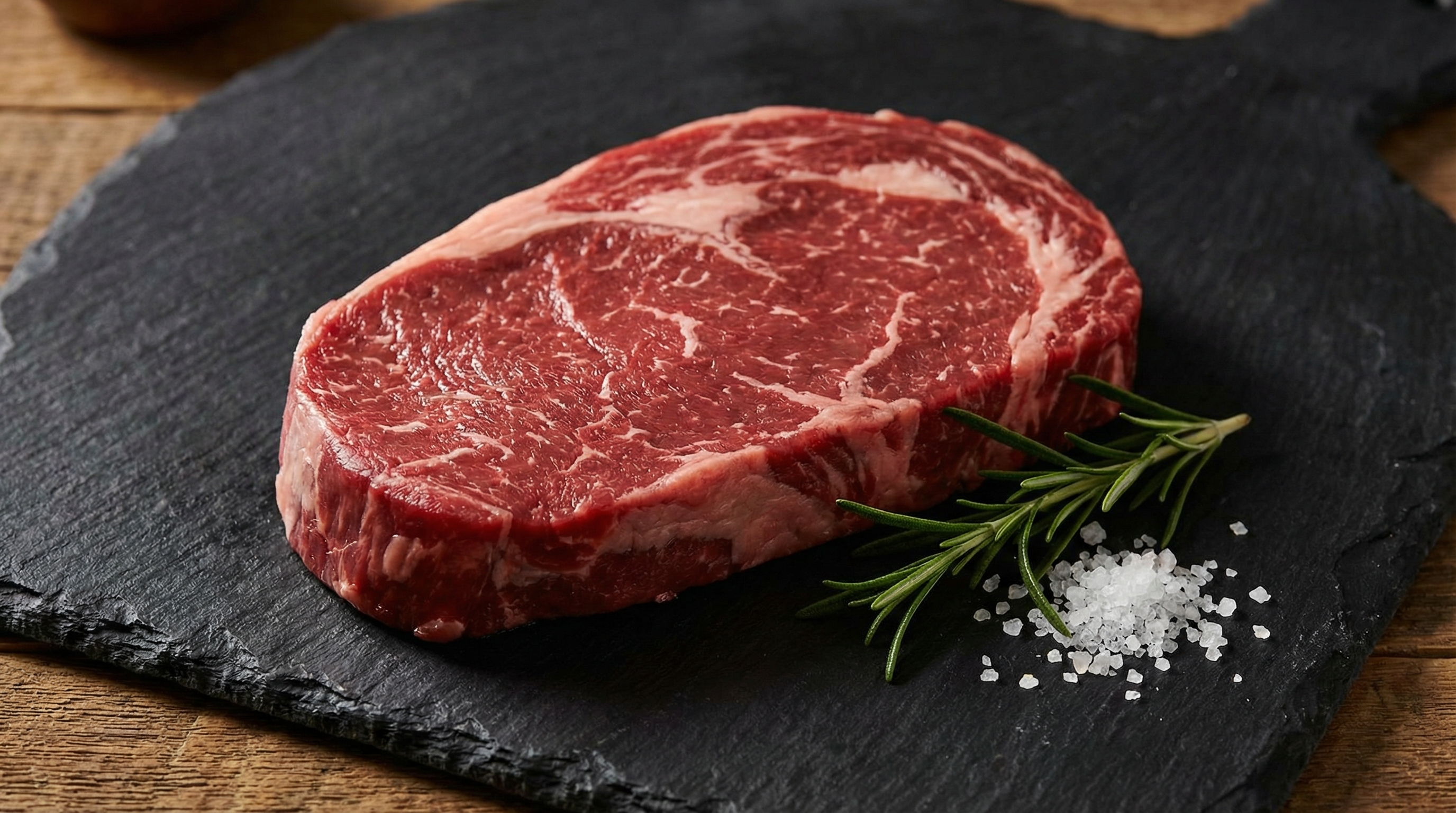
Ranch steak is cut from the boneless chuck shoulder center — technically the infraspinatus and associated muscles in the beef chuck primal. The official IMPS/NAMP designation is #116D, and you'll sometimes see it labeled as "boneless chuck shoulder center cut steak," "arm steak" (boneless version), or simply "shoulder steak" at some retail counters.
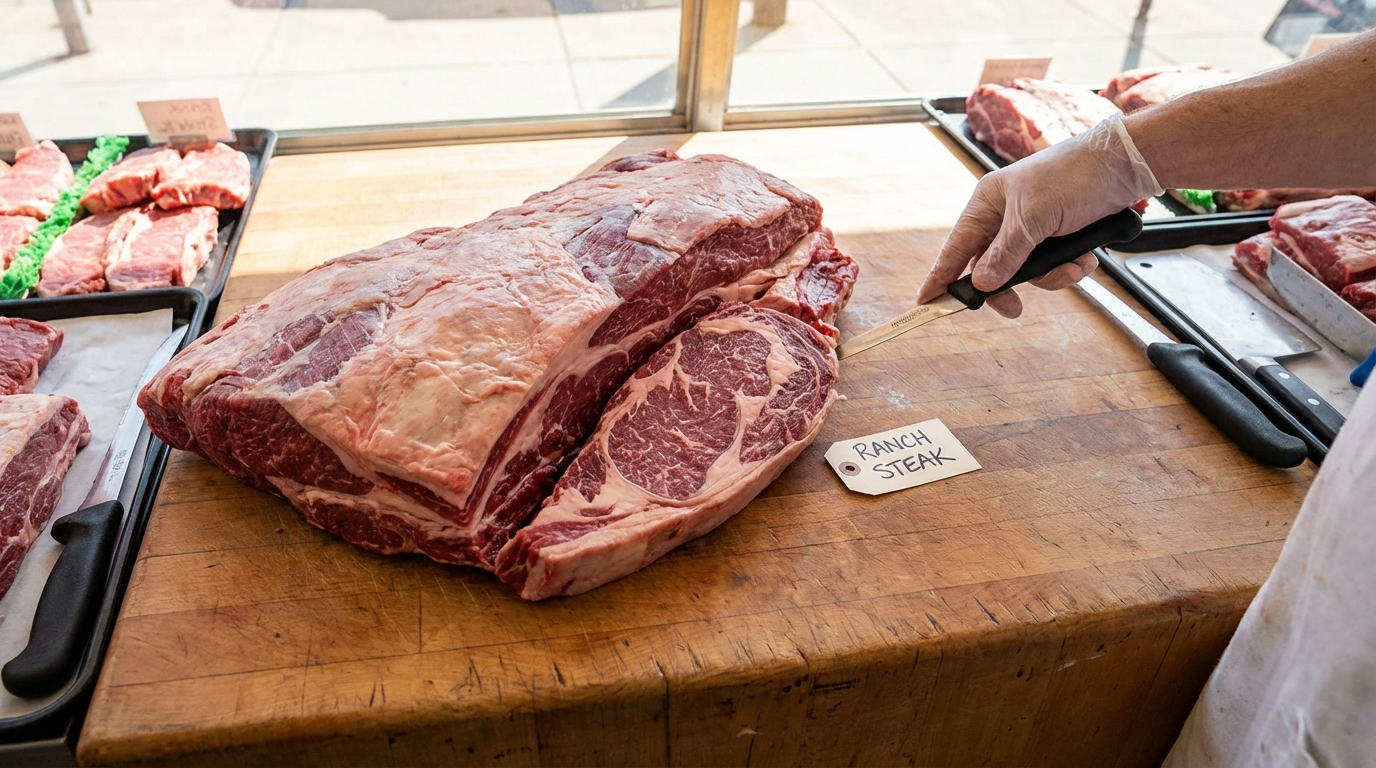
The chuck primal is the shoulder section of the cow, running from the neck down to just above the front legs. It's a heavily worked area, which is why most chuck cuts are tough and best suited for braising. But the shoulder center is different — it sits in a relatively protected position where the muscle fibers don't work as hard as the surrounding muscles. This gives it a tenderness that's unusual for the chuck.
A typical ranch steak weighs between 8 and 12 ounces and is cut about 3/4 to 1 inch thick. It has an oval to rectangular shape with a visible grain running in one direction. You'll notice moderate marbling — not as much as a ribeye, but significantly more than eye of round or other lean cuts. There's usually a thin line of connective tissue running through the center of the steak, which is the main characteristic that distinguishes ranch steak from premium cuts.
That connective tissue is worth understanding. In flat iron steaks — which come from the same general area of the chuck — there's a thick band of gristle that runs through the center of the top blade muscle. Butchers split the top blade in half to remove it, creating flat irons. Ranch steak has a similar but much thinner line of sinew. It's not objectionable when cooked properly, but it does mean you need to treat this cut with a bit more care than a naturally tender loin steak.
Ranch Steak vs Other Chuck Cuts
The chuck primal has become a goldmine for budget-friendly steaks over the past two decades, thanks to muscle profiling research that identified tender muscles hiding inside traditionally tough primals. Here's how ranch steak compares to its siblings:
Ranch steak vs flat iron: Both come from the chuck shoulder area, but from different muscles. The flat iron is cut from the top blade (infraspinatus) and is the second most tender muscle on the entire cow. Ranch steak is a broader cut that includes more of the shoulder center. Flat iron is more uniformly tender; ranch steak has more variation in texture but often more beef flavor.
Ranch steak vs Denver steak: The Denver steak comes from the serratus ventralis — a completely different muscle lower in the chuck. Denver steak has significantly more marbling and is generally considered more tender. Ranch steak is leaner and has a more "beefy" flavor profile, but costs less.
Ranch steak vs chuck eye steak: The chuck eye is the "poor man's ribeye," cut from the chuck end of the longissimus dorsi — the same muscle that makes up the ribeye. It's more tender and marbled than ranch steak, but harder to find because each animal only yields a few chuck eyes. Ranch steak is more readily available.
Ranch steak vs top blade steak: Top blade steak is essentially an unsplit flat iron — the whole top blade muscle cut into steaks with the connective tissue still running through the center. Ranch steak is a different cut entirely, but at a similar price point. Top blade is slightly more tender if you work around the gristle.
Flavor Profile and Texture
Ranch steak delivers what many steak lovers actually want but don't know how to describe: deep, concentrated beef flavor without excessive fattiness. The chuck shoulder gets moderate exercise, which builds myoglobin (the protein responsible for beef flavor) without creating the stringy toughness of heavily worked muscles like shank or brisket.
The texture is best described as "firm but yielding." When cooked to medium-rare or medium, ranch steak has a satisfying chew that's different from the buttery softness of tenderloin or the rich melt of well-marbled ribeye. It's closer to what you'd get from a well-handled sirloin — substantial enough that you feel like you're eating a real steak, not so tough that it's a chore.
The fat content is moderate — typically in the USDA Select to low Choice range for marbling. This means ranch steak benefits enormously from proper seasoning and cooking technique. It's not a cut that will save itself if you overcook it. But treated properly, the lean-to-fat ratio makes it one of the more "steak-like" eating experiences in the chuck.
One flavor advantage ranch steak has over premium cuts: because the shoulder muscles carry blood and work harder than loin muscles, the meat has a deeper mineral quality — what some chefs describe as "iron-forward." If you've ever had a great hanger steak and loved that intense, almost livery depth, ranch steak shares some of that character, though less pronounced.
How to Cook Ranch Steak
Ranch steak is forgiving in some ways and unforgiving in others. The good news: it takes seasoning and marinades exceptionally well because the looser muscle fibers absorb flavor. The bad news: it goes from perfectly done to overcooked in a narrow window. Here's how to get it right every time.
Best Cooking Methods
1. Cast iron sear (recommended): This is the best way to cook ranch steak. Get your cast iron screaming hot — 500°F surface temperature minimum. Pat the steak completely dry, season generously with coarse salt and black pepper at least 40 minutes before cooking (or right before — never in between, as the salt draws out moisture that hasn't had time to reabsorb). Sear 3 to 4 minutes per side for a 1-inch steak, targeting an internal temperature of 130°F for medium-rare.
2. Grill: Ranch steak does well over direct high heat on a charcoal or gas grill. The key is getting a hard sear quickly before the interior overcooks. Use the hottest zone of your grill and flip once. Total cook time for a 1-inch steak is 6 to 8 minutes for medium-rare.
3. Reverse sear: For thicker ranch steaks (1 inch or more), the reverse sear method works beautifully. Start in a 250°F oven until the internal temperature reaches 115°F, then finish with a blazing hot sear in cast iron or over charcoal. This gives you edge-to-edge even doneness with a dark, flavorful crust.
4. Marinate and grill: Because ranch steak is lean, an acid-based marinade (citrus, vinegar, or wine) for 2 to 4 hours can add both flavor and tenderness. Don't exceed 4 hours — the acid will start breaking down the surface texture and create a mushy exterior. A simple chimichurri marinade is particularly good with ranch steak.
Critical Temperature Rules
Ranch steak should never be cooked past medium (145°F internal). The relatively low fat content means there's no marbling to keep the meat moist at higher temperatures. Here's your target range:
- Rare: 120–125°F — possible but the connective tissue won't soften enough
- Medium-rare: 130–135°F — the sweet spot for ranch steak
- Medium: 140–145°F — still good, starting to firm up
- Medium-well and above: Not recommended — the steak will be dry and tough
Always rest ranch steak for at least 5 minutes after cooking. The resting period is critical with leaner cuts because the muscle fibers need time to relax and reabsorb their juices. Cut into a ranch steak straight off the heat and you'll lose a significant amount of moisture.
Slicing Technique
This is where many people go wrong with ranch steak. Because it has a visible grain, you must slice against the grain for the best eating experience. Look at the surface of the cooked steak and identify the direction of the muscle fibers — they'll look like parallel lines running across the meat. Cut perpendicular to those lines in thin slices, about 1/4 inch thick. This shortens the muscle fibers and dramatically improves the perceived tenderness.
If you skip this step and cut with the grain, ranch steak can seem chewy and tough. Cut against the grain, and the same steak will feel significantly more tender. This single technique makes more difference with ranch steak than almost any other variable.
Where to Buy Ranch Steak
Ranch steak is widely available at most grocery stores and supermarkets — it's one of the more common chuck steaks because it's easy for meat departments to fabricate. Look for it in the beef section near other chuck steaks, usually priced between $5 and $8 per pound depending on your region and the grade of beef.
At a butcher shop, you may need to ask for it by its technical name: "boneless chuck shoulder center cut steak." Some butchers prefer to leave the shoulder center as a whole roast rather than cutting steaks from it, so they may not have ranch steaks in the display case but can cut them to order.
When selecting ranch steak, look for:
- Even thickness: Steaks that are uniform in thickness will cook more evenly
- Good color: Deep cherry red to burgundy — avoid steaks that look brown or gray
- Visible marbling: Even though it's a lean cut, some marbling is better than none
- Minimal gristle: Check for excessive connective tissue — a thin line through the center is normal, thick bands are not
Online retailers also carry ranch steak, though it's less commonly featured than trendy cuts. You're more likely to find it bundled in variety packs or chuck sampler boxes than sold individually.
Ranch Steak Recipes and Serving Ideas
Ranch steak's affordable price and beefy flavor make it incredibly versatile in the kitchen. Here are the best ways to serve it:
Steak fajitas: Ranch steak is arguably the best affordable cut for fajitas. Marinate in lime juice, cumin, garlic, and chili powder for 2 to 3 hours, then grill over high heat and slice thin against the grain. The lean texture holds up perfectly in a tortilla with peppers and onions.
Steak salad: Cook to medium-rare, rest, and slice thin over mixed greens with blue cheese, cherry tomatoes, and a balsamic vinaigrette. The concentrated beef flavor stands up to strong dressing and bold toppings.
Chimichurri steak: The classic Argentine preparation works beautifully with ranch steak. The herb-and-vinegar sauce cuts through the lean meat and adds the fat component that the steak lacks on its own. Simple salt-and-pepper sear, rest, slice, and drench in fresh chimichurri.
Philly-style sandwiches: Partially freeze ranch steak for 30 minutes to firm it up, then shave it thin on a mandoline or with a sharp knife. Cook quickly on a flat griddle with onions and peppers, top with provolone. The beefy flavor is perfect for sandwiches.
Weeknight stir-fry: Slice ranch steak thin against the grain, marinate briefly in soy sauce and cornstarch (velveting technique), and stir-fry over the highest heat you can generate. The lean texture takes well to high-heat wok cooking.
Nutritional Profile
Ranch steak is one of the leaner beef options available, making it a solid choice for anyone watching their fat intake without wanting to sacrifice flavor. A 6-ounce serving of cooked ranch steak (USDA Choice grade) typically provides:
- Calories: 280–320
- Protein: 42–46g
- Total fat: 12–16g
- Saturated fat: 5–7g
- Iron: 18–22% of daily value
- Zinc: 45–55% of daily value
- B12: 100%+ of daily value
Compared to fattier cuts like ribeye (which can run 400+ calories per 6-ounce serving), ranch steak offers a meaningfully lower calorie count while maintaining the protein density and micronutrient richness that makes beef nutritionally valuable. The high zinc and B12 content is particularly notable — these are nutrients that many people don't get enough of.
Frequently Asked Questions
What is another name for ranch steak?
Ranch steak is officially called "boneless chuck shoulder center cut steak" (IMPS #116D). You may also see it labeled as "shoulder center steak," "chuck shoulder steak," or "arm steak" (boneless) at some retailers.
Is ranch steak tender or tough?
Ranch steak falls in the middle — it's more tender than most chuck cuts but not as tender as premium steaks like ribeye or filet mignon. Cooked to medium-rare and sliced against the grain, it's genuinely enjoyable. Overcooked past medium, it becomes tough and dry.
What is the best way to cook ranch steak?
The best method is a hot cast iron sear to medium-rare (130–135°F internal). Season with salt and pepper, sear 3–4 minutes per side, rest for 5 minutes, and slice against the grain. Marinating for 2–4 hours before grilling is also excellent.
Is ranch steak good for grilling?
Yes — ranch steak is one of the most affordable grillable beef cuts. Use high direct heat, cook quickly to medium-rare, and slice against the grain. It's especially good marinated for fajitas or served with chimichurri.
How does ranch steak compare to flat iron steak?
Both come from the chuck shoulder area but from different muscles. Flat iron is the second most tender muscle on the cow and has no connective tissue (it's been removed). Ranch steak has a thin line of sinew and slightly less tenderness, but costs less and has a deeper beef flavor.
More Expert Guides
What Is Chateaubriand? (Cut, Cooking, & Best Sources)
Chateaubriand is a thick-cut roast from the center of the beef tenderloin, traditionally served for two. Learn what makes this classic French cut special and how to cook it.
14 min readWhat Is Round Steak? The Complete Guide to Beef's Most Versatile Budget Cut
Round steak comes from the rear leg of the cow — it's lean, affordable, and misunderstood. A master butcher breaks down every sub-cut, cooking method, and technique to turn this budget workhorse into genuinely delicious meals.
14 min readWhat Is Eye of Round? The Complete Butcher's Guide to This Lean Cut
Eye of round is one of the leanest, most affordable cuts in the entire beef case — and one of the most misunderstood. A butcher explains how to turn this budget-friendly roast into something genuinely delicious.