What Is Chuck Eye Steak? The Poor Man's Ribeye Explained
If someone told you there's a steak that tastes almost identical to a ribeye but costs 40 to 50 percent less, you'd probably assume there's a catch. There isn't. The chuck eye steak — often called the "poor man's ribeye" — is one of the best-kept secrets in the meat case, and the reason it stays cheap has nothing to do with quality. It has to do with supply.
Every beef animal produces only two chuck eye steaks. That scarcity keeps it off restaurant menus and out of marketing campaigns, which means it stays priced like a chuck cut while eating like a loin cut. If you know what you're looking for, it's the single best value in the butcher shop.
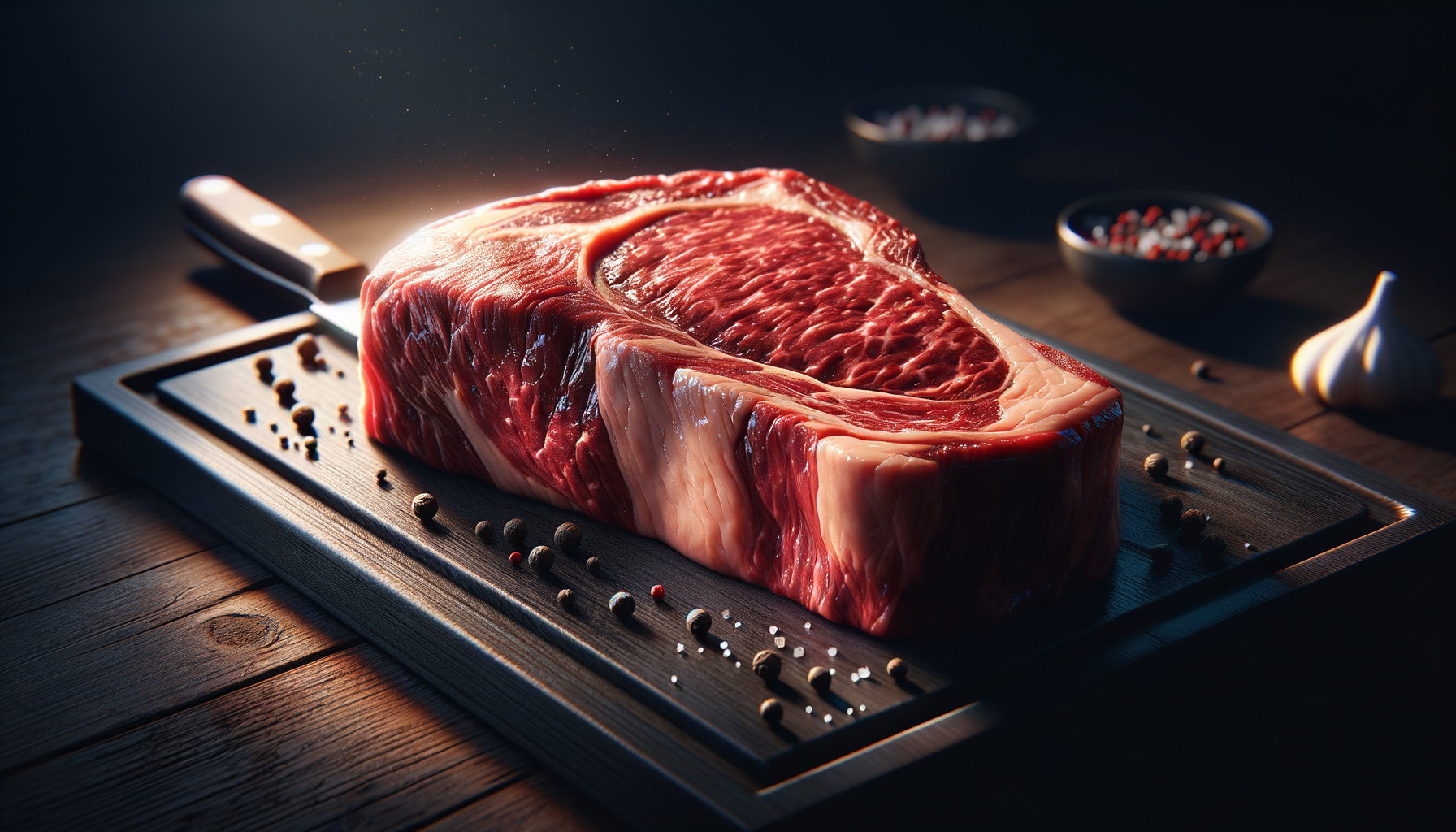
What Exactly Is Chuck Eye Steak?
Chuck eye steak comes from the chuck primal — the shoulder section of the cow. Specifically, it's cut from the 5th rib, which is the very first rib in the chuck section. The ribeye, by contrast, starts at the 6th rib and runs through the 12th. That means the chuck eye is literally one rib away from being a ribeye.
The NAMP (North American Meat Processors) designation is #1116E, and you might also see it labeled as:
- Chuck eye roll steak
- Chuck fillet steak
- Boneless chuck eye steak
- Poor man's ribeye
A typical chuck eye steak weighs between 8 and 12 ounces and is cut about ¾ to 1 inch thick. The muscle composition is nearly identical to a ribeye — you're getting a cross-section of the longissimus dorsi (the main "eye" of the ribeye), plus portions of the complexus and spinalis muscles that provide that characteristic ribeye richness.
Why It Tastes Like a Ribeye
The reason is straightforward anatomy. Muscles don't change character just because an arbitrary line separates two primal cuts. The 5th rib and 6th rib are neighbors separated by less than an inch of bone. The marbling pattern, fat content, and muscle fiber structure at the 5th rib are virtually indistinguishable from the 6th rib.
The main differences you'll notice compared to a true ribeye are:
- Slightly more connective tissue: As you move toward the shoulder, there's a bit more sinew and intermuscular fat. This is minor on the chuck eye — it's not tough, but you might find one small seam of connective tissue that a ribeye wouldn't have.
- Less uniform shape: Ribeyes are cut from the center of the rib section where the eye muscle is at its most consistent. The chuck eye can be slightly more irregular.
- Comparable or better marbling: The chuck eye often has excellent marbling. The shoulder area gets more exercise than the mid-back, but the 5th rib position still benefits from the same intramuscular fat deposition that makes ribeyes so prized.
In blind taste tests, most people cannot reliably distinguish a well-cooked chuck eye from a ribeye. The flavor profile is rich, beefy, and buttery — everything you want from a premium steak.
Why Only Two Per Animal?
This is the critical point that explains the chuck eye's pricing paradox. The beef carcass is split into two sides, and each side has exactly one 5th rib. That means every 1,200-pound steer produces just two chuck eye steaks — compared to 14 or more ribeye steaks from ribs 6 through 12.
That extreme scarcity means your butcher might only get a few chuck eyes per week. They rarely make it into the display case at big grocery chains because the volume doesn't justify a dedicated label and price point. Instead, they often get:
- Rolled into the chuck eye roll and sold as roasts
- Ground into premium ground beef
- Purchased by butcher shop regulars who know to ask for them
- Cut to order for knowledgeable customers
The lesson: if you want chuck eye steaks consistently, build a relationship with your butcher. Ask them to set aside the 5th rib steaks when they break down the chuck. Most butchers will gladly do this for a regular customer.
Chuck Eye vs Ribeye: The Real Differences
Let's be precise about what separates these two cuts:
- Price: Chuck eye typically runs $8–12 per pound versus $16–25 for ribeye. That's roughly half the cost for 90 percent of the eating experience.
- Location: Chuck eye is the 5th rib; ribeye covers ribs 6–12. They share the same primary muscle (longissimus dorsi).
- Tenderness: Ribeye edges out the chuck eye slightly, especially cuts from ribs 9–11 (the center of the rib section). But the difference is subtle, and proper cooking technique eliminates most of the gap.
- Fat cap: Ribeyes often come with a substantial external fat cap. Chuck eyes have less external fat but comparable intramuscular marbling.
- Availability: Ribeyes are available everywhere, always. Chuck eyes require some hunting.
For a deeper dive into ribeye specifics, check out our guide to butchering a ribeye roast or the New York strip vs ribeye comparison.
How to Cook Chuck Eye Steak
Chuck eye responds to the same high-heat methods that work for ribeye. The key differences in technique are minor but worth noting.
Cast Iron Sear (Best Method)
- Remove the steak from the fridge 45 minutes before cooking. Pat completely dry with paper towels.
- Season generously with kosher salt and coarse black pepper. That's all you need.
- Heat a cast iron skillet over high heat until it just starts to smoke. Add a high-smoke-point oil (avocado or refined grapeseed).
- Sear for 3–4 minutes per side without moving the steak. You want a deep brown crust.
- Add a tablespoon of butter, crushed garlic, and fresh thyme in the last minute. Baste the steak with the foaming butter.
- Pull at 125°F for medium-rare (it'll carry over to 130–135°F during rest).
- Rest for 8–10 minutes on a wire rack. Don't tent with foil — it steams the crust.
Grilling
Set up a two-zone fire with direct high heat on one side and indirect on the other. Sear over direct heat for 2–3 minutes per side, then move to indirect heat until the internal temperature reaches 125°F. The slightly higher connective tissue content in chuck eye actually benefits from the slower finish on indirect heat — it gives those fibers a chance to soften.
Reverse Sear
This is arguably the best method for chuck eye specifically, because the low-and-slow start breaks down any connective tissue before you build the crust:
- Place the seasoned steak on a wire rack over a sheet pan in a 250°F oven.
- Cook until the internal temperature reaches 115°F (about 25–35 minutes depending on thickness).
- Sear in a screaming-hot cast iron skillet for 60–90 seconds per side.
- Rest 5 minutes and serve.
The reverse sear delivers edge-to-edge medium-rare with no gray band — and on a chuck eye, it produces a result that's genuinely indistinguishable from a much more expensive ribeye.
What to Avoid
- Don't cook past medium. Chuck eye has enough marbling to stay juicy at medium-rare to medium (130–145°F). Beyond that, the fat renders out and you lose the texture advantage.
- Don't confuse it with chuck steak. Regular chuck steaks (from deeper in the shoulder) are tougher cuts that benefit from braising. The chuck eye is a completely different eating experience — it's a grilling/searing steak, not a pot roast.
- Don't skip the rest. The connective tissue in chuck eye needs those resting minutes to relax. Cut too early and the juices run, leaving you with a drier steak.
How to Buy Chuck Eye Steak
Finding chuck eye requires a bit more effort than grabbing a ribeye off the shelf:
- Ask at the counter. Most grocery stores with a staffed meat counter can cut chuck eyes on request. Ask for "steaks from the 5th rib of the chuck roll" if they're not familiar with the name.
- Look for NAMP #1116E if you're ordering from a wholesale supplier.
- Check thickness. You want at least ¾ inch thick, preferably 1 inch. Thinner cuts overcook easily.
- Inspect the marbling. A good chuck eye should have visible white flecks of intramuscular fat throughout the eye muscle. Lean ones exist — skip them. For more on evaluating marbling, see our marbling identification guide.
- Costco and Whole Foods occasionally carry pre-packaged chuck eye steaks. When they appear, buy extra and freeze — they may not be there next week.
Chuck Eye in the Context of Budget Steaks
If you're building a repertoire of affordable steaks, the chuck eye sits at the top. Here's how it compares to other value cuts:
- Chuck eye vs flat iron: Both from the chuck primal, but different muscles. Flat iron is more tender but has a milder flavor. Chuck eye has more ribeye-like richness. Both are excellent.
- Chuck eye vs hanger steak: Hanger has an intense, almost mineral-like beefy flavor and is very tender when cooked right. Chuck eye is more familiar — it tastes like a classic steak. Your preference depends on whether you want adventure or comfort.
- Chuck eye vs tri-tip: Tri-tip is leaner and better for slicing thin. Chuck eye is richer and better as an individual portion steak.
- Chuck eye vs Denver steak: Denver comes from the chuck underblade. It's very tender but less marbled. Chuck eye wins on flavor; Denver wins on tenderness.
For a comprehensive look at affordable options, our guide to cheap beef cuts covers the full landscape.
The Bottom Line
Chuck eye steak is the closest thing to a cheat code in the meat case. It shares the same primary muscle as the ribeye, delivers comparable flavor and tenderness, and costs roughly half the price. The only real downside is scarcity — with just two per animal, you need to plan ahead or develop a relationship with your butcher.
Next time you're at the meat counter, skip the ribeye section and ask for chuck eye steaks instead. You'll save real money and eat almost exactly as well. That's not a compromise — it's a strategy.
Frequently Asked Questions
What is chuck eye steak?
Chuck eye steak is a cut from the 5th rib of the beef chuck primal. It's adjacent to the ribeye (which starts at the 6th rib), shares the same primary muscle (longissimus dorsi), and has similar marbling and flavor at roughly half the price.
Why is chuck eye steak called the poor man's ribeye?
Because it comes from the rib immediately next to the ribeye section, shares the same muscle and marbling characteristics, but costs 40-50% less. Most people can't tell the difference in a blind taste test.
How many chuck eye steaks per cow?
Only two. Each side of the beef carcass has one 5th rib, yielding one chuck eye steak per side. This extreme scarcity is why they're hard to find in stores despite being an excellent cut.
How do you cook chuck eye steak?
Cook it like a ribeye — cast iron sear, grill, or reverse sear. Season with salt and pepper, cook to medium-rare (130-135°F internal), and rest for 8-10 minutes. The reverse sear method works especially well for chuck eye.
Is chuck eye steak tough?
No. When properly cooked to medium-rare or medium, chuck eye steak is tender and juicy. It may have slightly more connective tissue than a ribeye, but proper cooking technique (especially reverse sear) eliminates any toughness.
More Expert Guides
What Is Chateaubriand? (Cut, Cooking, & Best Sources)
Chateaubriand is a thick-cut roast from the center of the beef tenderloin, traditionally served for two. Learn what makes this classic French cut special and how to cook it.
14 min readWhat Is Round Steak? The Complete Guide to Beef's Most Versatile Budget Cut
Round steak comes from the rear leg of the cow — it's lean, affordable, and misunderstood. A master butcher breaks down every sub-cut, cooking method, and technique to turn this budget workhorse into genuinely delicious meals.
14 min readWhat Is Eye of Round? The Complete Butcher's Guide to This Lean Cut
Eye of round is one of the leanest, most affordable cuts in the entire beef case — and one of the most misunderstood. A butcher explains how to turn this budget-friendly roast into something genuinely delicious.