Sirloin vs Ribeye: A Butcher's Honest Comparison
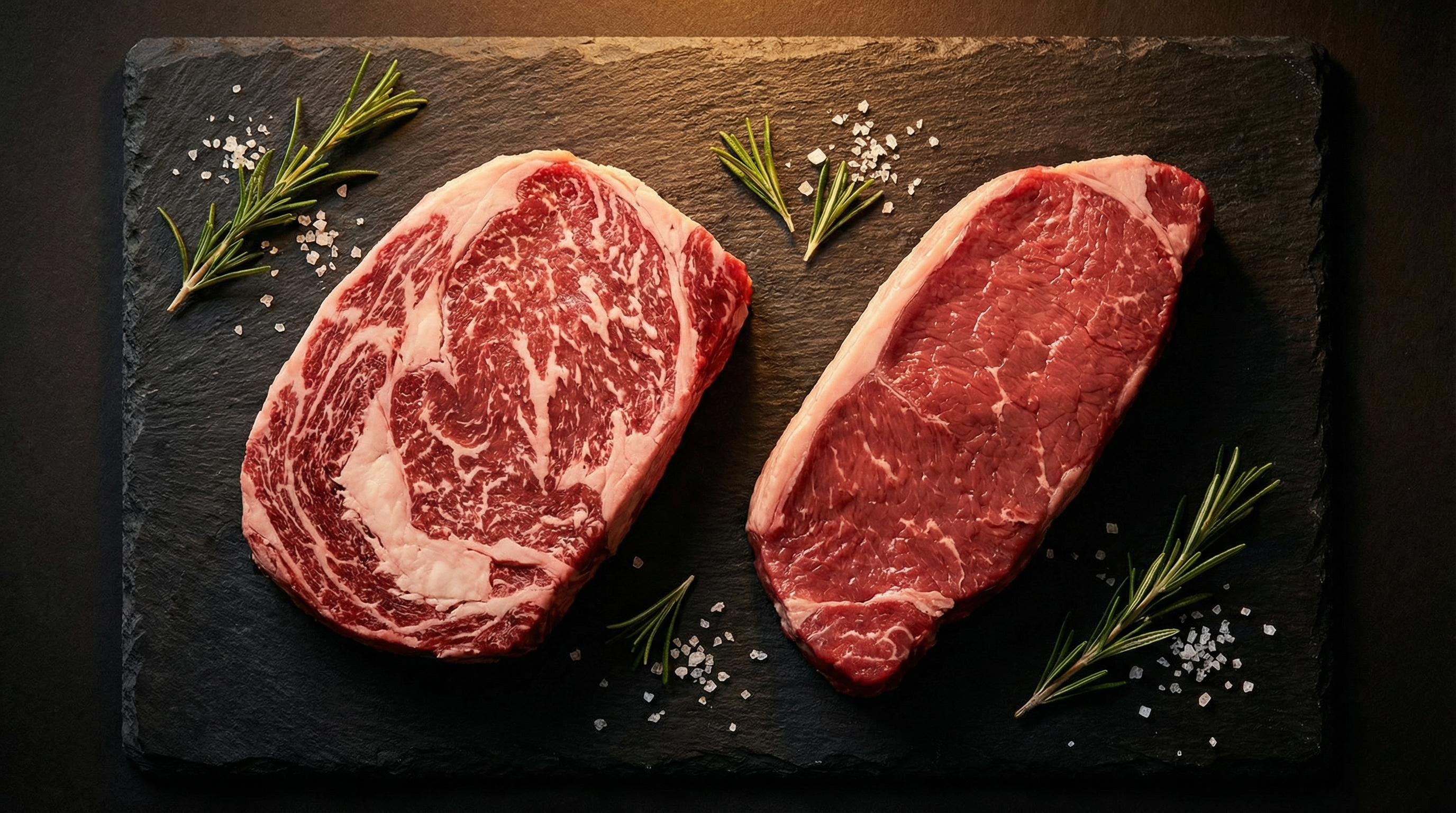
Every week, someone stands in front of my case pointing at two steaks and asks the same question: "Which one should I get — the sirloin or the ribeye?" It's the most common question in any butcher shop, and the honest answer is that it depends entirely on what you're after.
These two cuts sit just inches apart on the animal, but they deliver completely different eating experiences. One is rich, buttery, and loaded with fat. The other is leaner, more intensely beefy, and easier on the wallet. Neither one is objectively "better" — but one of them is definitely better for you, depending on how you cook, what you like, and what you're willing to spend.
I've been cutting both of these steaks for over three decades. Let me walk you through the real differences so you can stop guessing and start buying with confidence.
Where Each Cut Comes From
Understanding where sirloin and ribeye come from on the animal explains almost everything about how they taste and cook. These aren't arbitrary distinctions — the anatomy tells the whole story.
The ribeye comes from the rib primal, specifically ribs 6 through 12. This section of the animal sits along the upper back, an area that does very little work during the cow's life. Muscles that don't work much stay tender, and they accumulate fat — both the external fat cap and the intramuscular marbling that makes ribeye famous. The primary muscle in a ribeye is the longissimus dorsi (the "eye"), often accompanied by the spinalis dorsi (the "cap" or "deckle"), which many steak lovers consider the single best-tasting piece of beef on the entire animal.
The sirloin comes from the loin primal, sitting just behind the short loin and in front of the round. Specifically, most sirloin steaks you'll find at the butcher counter are top sirloin — cut from the gluteus medius muscle. This area does more work than the rib section, which means the muscle is leaner and slightly firmer. It's still tender enough for dry-heat cooking (unlike chuck or round cuts), but it doesn't have anywhere near the fat content of a ribeye.
Here's the key anatomical fact: the rib section is a low-activity area with heavy marbling, while the sirloin is a transitional zone between the tender loin and the hard-working round. That transition shows up on your plate.
Marbling and Fat Content
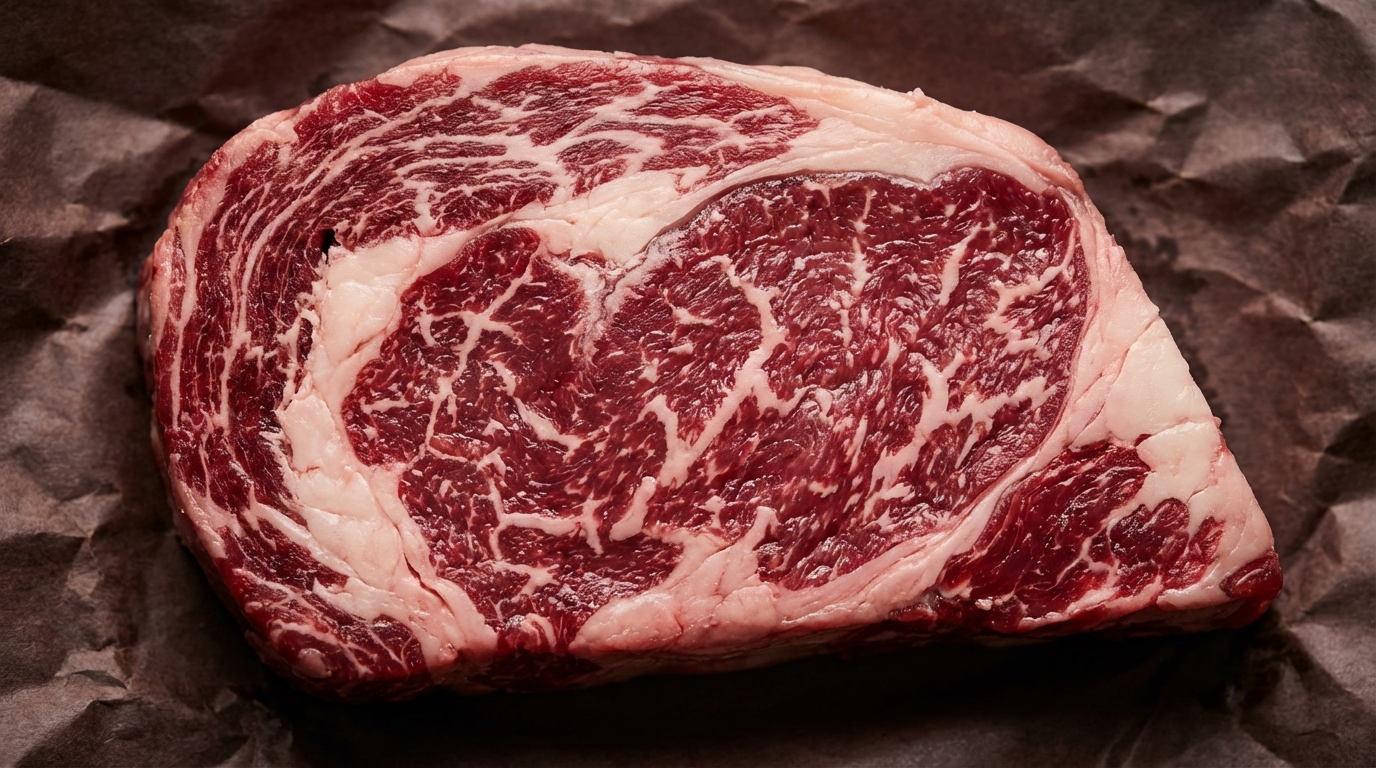
This is where the two cuts diverge most dramatically. Marbling — the white streaks and flecks of intramuscular fat running through the meat — is the single biggest factor in how a steak tastes and feels in your mouth.
A USDA Choice ribeye typically contains between 10% and 15% intramuscular fat. Prime-grade ribeyes can push well above that. All those white streaks you see when you look at a raw ribeye? That's flavor waiting to happen. When you cook it, that fat renders and bastes the meat from the inside out, creating that rich, buttery mouthfeel that makes ribeye the king of steakhouse menus.
A USDA Choice top sirloin typically contains between 5% and 8% intramuscular fat. That's still enough to keep the steak juicy if you cook it correctly, but the eating experience is noticeably different. Sirloin delivers a cleaner, more purely beefy flavor without the richness that fat brings. Some people actually prefer this — the beef taste is more forward and pronounced when it isn't wrapped in rendered fat.
The fat cap situation differs too. Ribeyes often come with a substantial external fat cap along one edge, plus the strip of fat that separates the eye from the cap muscle. Sirloin steaks typically have a thinner fat cap that most butchers trim down to a quarter-inch or less.
One thing worth noting: marbling varies significantly within each cut depending on USDA grade. A Prime sirloin will actually have more marbling than a Select-grade ribeye. So if you love sirloin's flavor profile but want more juiciness, buying up in grade is a smart play.
Flavor and Texture Differences
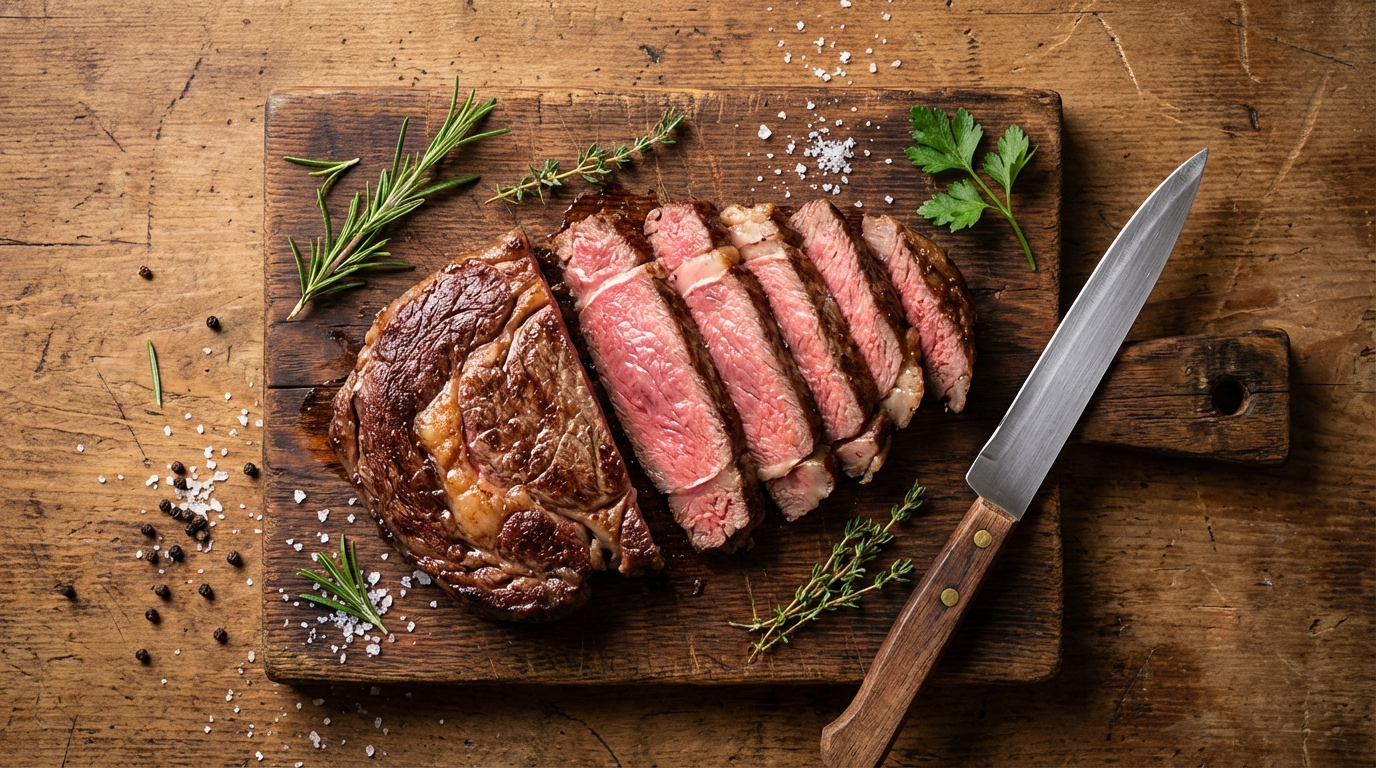
When I'm describing the difference to customers, I use this analogy: ribeye is like whole milk, and sirloin is like 2%. Both are good. Both are undeniably milk. But the mouthfeel and richness are different, and most people develop a preference.
Ribeye flavor profile: Rich, buttery, with a deep beefy flavor that's amplified by rendered fat. The spinalis cap, when present, adds an almost nutty sweetness. The texture is tender and slightly loose — the meat fibers separate easily because they're interspersed with so much fat. A well-cooked ribeye practically melts on your tongue. The downside? That richness can become overwhelming in large portions. By the 14-ounce mark, many people hit flavor fatigue.
Sirloin flavor profile: Clean, intensely beefy, with a more concentrated meat flavor. Because there's less fat diluting the muscle, you get a purer expression of what beef actually tastes like. The texture is firmer and slightly chewier than ribeye — not tough by any means, but you know you're eating a steak. There's more "tooth" to it, more resistance, more of that satisfying chew that steak lovers crave. It's a more athletic cut, and it eats like one.
Neither flavor profile is superior. It's genuinely a matter of preference. I've watched customers who've eaten ribeye their whole lives try a properly cooked Prime top sirloin and switch permanently. I've also seen sirloin devotees take one bite of a dry-aged ribeye and never look back.
The texture difference matters most when you're thinking about portion size. Because ribeye is so rich, a 12-ounce portion is plenty for most people. With sirloin, you can comfortably eat a 16-ounce steak without hitting that wall of richness. That changes the math on price per serving, which we'll get to.
Best Cooking Methods for Each Cut
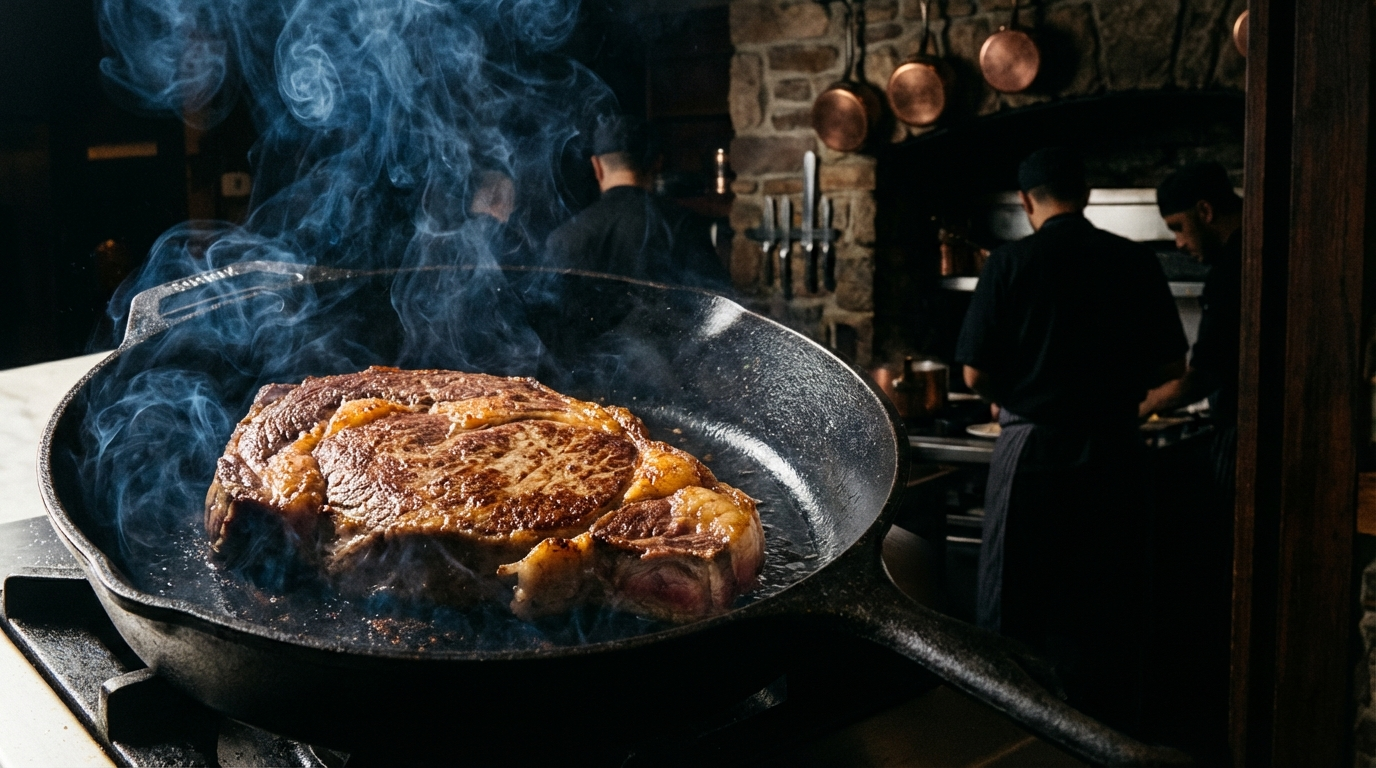
Both steaks respond well to high-heat cooking, but they have different sweet spots and different margins for error.
Cooking Ribeye
Ribeye is the most forgiving steak you can buy. All that intramuscular fat acts as insurance — even if you slightly overcook it, the rendered fat keeps the meat from drying out completely. That said, the ideal approach is:
- Reverse sear for thick cuts (1.5 inches or more): Start in a 250°F oven until the internal temperature hits 115°F, then sear in a screaming-hot cast iron skillet for 60–90 seconds per side. This gives you edge-to-edge medium-rare with a perfect crust.
- Direct grill for standard cuts (1–1.25 inches): High heat, 4–5 minutes per side, with the lid open. Watch for flare-ups — all that fat dripping onto coals or burners will cause them.
- Cast iron sear for any thickness: Get the pan smoking hot with a high-smoke-point oil, sear 3–4 minutes per side, finish with butter and aromatics.
Target temperature: Pull at 130°F for medium-rare. The fat in ribeye means it stays juicy even at medium (140°F), so there's room for error.
Cooking Sirloin
Sirloin requires more attention because it has less fat to bail you out. Overcook sirloin and it goes from firm-but-juicy to dry and tough in a hurry. The key strategies:
- Hot and fast is the rule. Sirloin doesn't benefit from low-and-slow approaches the way fattier cuts do. You want maximum crust development in minimum time.
- Don't go past medium. This is non-negotiable. Sirloin cooked to medium-well or well-done loses what little intramuscular fat it has and becomes chewy and dry. Medium-rare (130°F internal) is ideal.
- Rest it longer. Give sirloin a full 8–10 minutes of resting time under loose foil. The leaner muscle fibers need time to reabsorb juices. Cut too early and they'll flood the cutting board.
- Marinate if you want. Unlike ribeye, which needs nothing but salt and pepper, sirloin benefits from a 2–4 hour marinade. Something acidic (red wine, balsamic, citrus) helps tenderize the firmer muscle fibers while adding flavor that the leaner meat absorbs readily.
Target temperature: Pull at 125–128°F for medium-rare. With less fat insulating the meat, carryover cooking adds 5–7°F, and you have a narrower window before the steak overcooks.
Price and Value Comparison
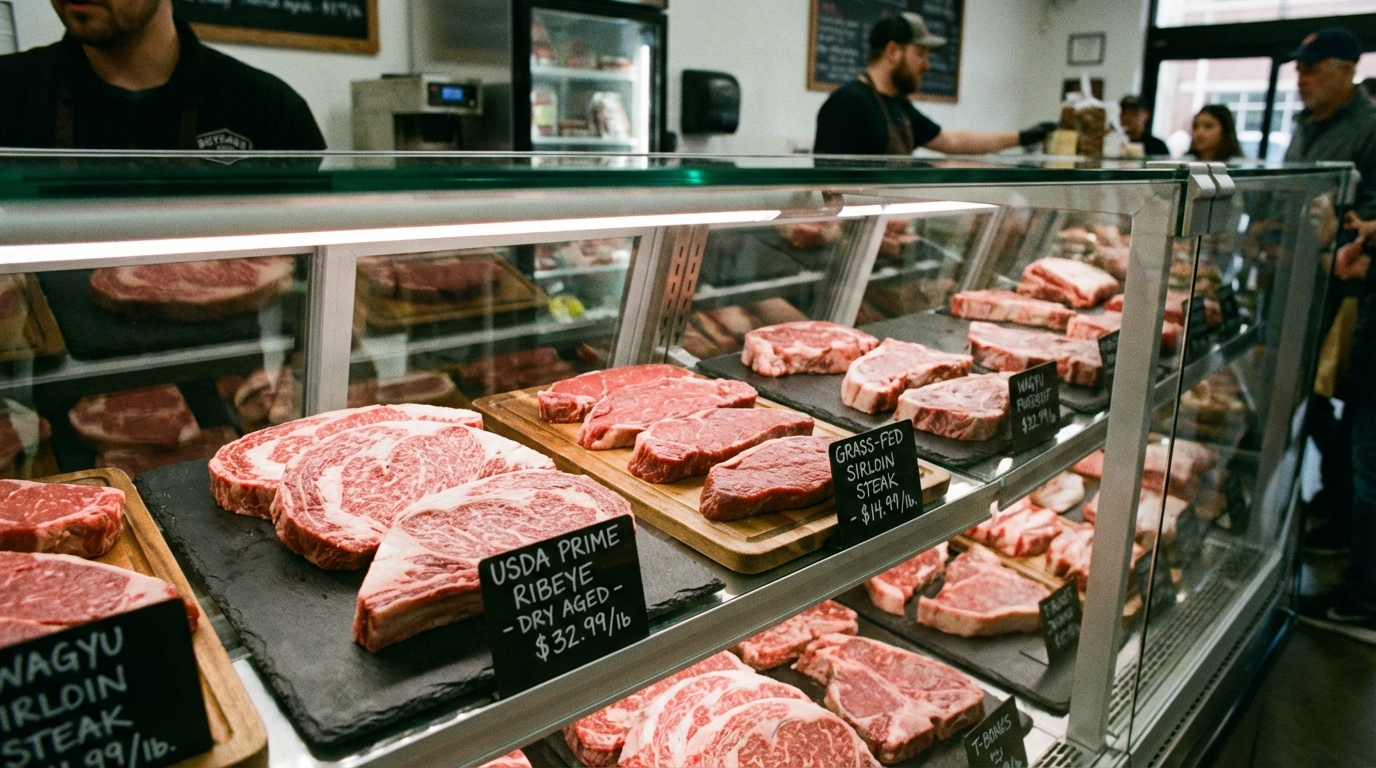
This is where sirloin makes its strongest case. As of early 2026, here's what you can expect to pay at a quality butcher shop:
- USDA Choice ribeye: $16–$22 per pound
- USDA Prime ribeye: $24–$35 per pound
- USDA Choice top sirloin: $9–$13 per pound
- USDA Prime top sirloin: $14–$19 per pound
That's a significant gap. A 12-ounce Choice ribeye runs you roughly $12–$16.50. A 12-ounce Choice sirloin costs $6.75–$9.75. For a family of four, that price difference adds up fast — you're looking at $20–$30 more per meal if you're buying ribeye.
But here's where it gets interesting from a value perspective. Remember what I said about portion sizes? Because sirloin is leaner and less rich, you can comfortably eat more of it. A 16-ounce sirloin at $13/lb costs about $13. A 12-ounce ribeye at $20/lb costs about $15. The ribeye costs more and you get less food. When you think about it as cost per satisfying serving rather than cost per pound, the gap widens even further.
There's also the practical consideration of feeding a crowd. If you're hosting a backyard cookout for eight people, buying Choice top sirloin instead of Choice ribeye saves you roughly $40–$60. That's your side dishes paid for.
My advice: buy sirloin for weeknight dinners, casual grilling, and feeding groups. Save ribeye for special occasions, date nights, and those times when you want to treat yourself to something decadent. There's no shame in either choice — it's about matching the cut to the occasion.
Nutrition: Calories, Protein, and Fat
For the health-conscious steak lover, the nutritional differences between these cuts are meaningful. Per 6-ounce cooked portion (trimmed of external fat):
- Ribeye: approximately 400–450 calories, 38g protein, 28–32g fat (12–14g saturated)
- Top sirloin: approximately 300–330 calories, 42g protein, 14–18g fat (6–8g saturated)
Sirloin delivers more protein per calorie and significantly less fat. If you're tracking macros, building muscle, or watching saturated fat intake, sirloin is the clear winner. It's one of the most protein-dense cuts of beef you can buy — right up there with eye of round but dramatically more enjoyable to eat.
Ribeye isn't "unhealthy" by any stretch, but it's a richer indulgence. If you're eating steak three times a week, mixing in sirloin keeps your overall fat intake more reasonable without sacrificing the satisfaction of a real steak dinner.
Both cuts are excellent sources of B12, zinc, iron, and creatine. Beef is one of the most nutrient-dense proteins available, and both sirloin and ribeye deliver those benefits in full.
When to Choose Sirloin Over Ribeye
After decades of watching customers agonize over this decision, I've developed a simple mental framework. Choose sirloin when:
- You want bold, clean beef flavor without heavy richness
- You're feeding a crowd and budget matters
- You're watching calories or fat intake
- You're making fajitas, stir-fry, steak salads, or anything where the steak is sliced thin
- You plan to marinate (sirloin absorbs marinades beautifully; ribeye doesn't need them)
- It's a Tuesday night and you want a solid weeknight steak
Choose ribeye when:
- You want maximum richness and that buttery, melt-in-your-mouth texture
- You're celebrating something — birthday, promotion, just surviving the week
- You prefer a more forgiving steak that's hard to mess up
- You're serving it simply — salt, pepper, maybe a compound butter — and letting the beef speak
- You want the best possible crust (all that fat renders and crisps beautifully)
- You're cooking for someone who describes their ideal steak as "juicy" or "tender"
The Butcher's Final Word
I eat both of these steaks regularly, and I love them for completely different reasons. Ribeye is my Friday-night reward — the steak I cook when I want to feel something. Sirloin is my Monday-through-Thursday workhorse — the cut that proves you don't need to spend $25 a pound to eat a great steak.
If you've been buying one or the other exclusively, branch out. Buy a Prime top sirloin next time you're at the butcher counter and cook it to a perfect medium-rare. Or if you've been saving money on sirloin all year, treat yourself to a thick-cut ribeye and see what all the fuss is about.
The best steak is the one you cook well and enjoy eating. And now you know exactly what you're getting with either choice.
Frequently Asked Questions
Is sirloin or ribeye more tender?
Ribeye is more tender due to its higher intramuscular fat content (marbling). The fat between muscle fibers makes the meat softer and easier to chew. Sirloin is still tender enough for grilling and pan-searing, but it has a firmer, more substantial bite.
Which is healthier, sirloin or ribeye?
Top sirloin is the healthier choice — it has roughly 25% fewer calories, 40% less fat, and more protein per serving than ribeye. Both cuts provide excellent B12, iron, and zinc. If you eat steak frequently, sirloin keeps your saturated fat intake lower.
Why is ribeye so much more expensive than sirloin?
Ribeye comes from the rib primal, which yields fewer steaks per animal and has the highest marbling of any section. High demand plus limited supply drives the price up. Sirloin comes from a larger section of the animal, so there is more of it available, which keeps prices lower.
Can you substitute sirloin for ribeye in recipes?
Yes, but adjust your cooking. Sirloin cooks faster, has less fat, and benefits from marinades. Reduce cooking time by 1-2 minutes per side, don't cook past medium, and let it rest longer (8-10 minutes). For recipes where steak is sliced — fajitas, salads, stir-fry — sirloin is actually the better choice.
What USDA grade should I buy for sirloin vs ribeye?
For ribeye, USDA Choice is excellent — the cut naturally has enough marbling that you don't always need Prime. For sirloin, consider stepping up to Prime if your budget allows. The extra marbling in Prime sirloin makes a bigger difference in a leaner cut. A Prime sirloin at $15/lb still costs less than a Choice ribeye at $18/lb.
More Expert Guides
What Is Chateaubriand? (Cut, Cooking, & Best Sources)
Chateaubriand is a thick-cut roast from the center of the beef tenderloin, traditionally served for two. Learn what makes this classic French cut special and how to cook it.
14 min readWhat Is Round Steak? The Complete Guide to Beef's Most Versatile Budget Cut
Round steak comes from the rear leg of the cow — it's lean, affordable, and misunderstood. A master butcher breaks down every sub-cut, cooking method, and technique to turn this budget workhorse into genuinely delicious meals.
14 min readWhat Is Eye of Round? The Complete Butcher's Guide to This Lean Cut
Eye of round is one of the leanest, most affordable cuts in the entire beef case — and one of the most misunderstood. A butcher explains how to turn this budget-friendly roast into something genuinely delicious.