How to Tenderize Steak: 7 Methods That Actually Work
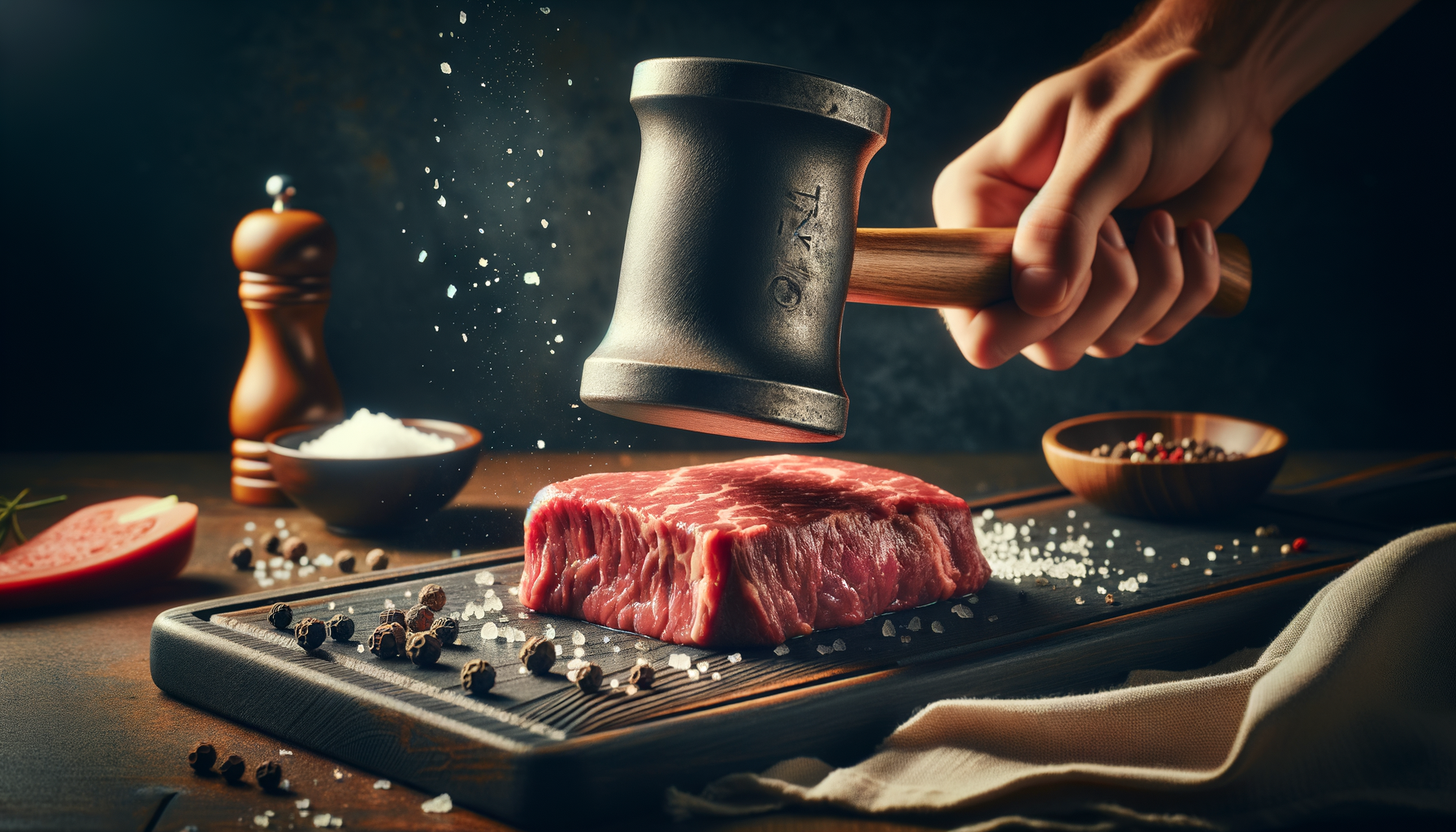
Here's a truth that most steak content won't tell you: the majority of beef cuts are not naturally tender. Out of the hundreds of muscles in a steer, only a handful — tenderloin, ribeye cap, flat iron — are what anyone would call "melt in your mouth" without intervention. Everything else needs some help.
Tenderizing steak means breaking down tough muscle fibers and connective tissue so the meat is easier to chew and more pleasant to eat. There are mechanical methods (pounding, scoring), chemical methods (salt, acid, enzymes), and thermal methods (low-and-slow cooking). The right approach depends entirely on the cut you're working with and how you plan to cook it.
After three decades of breaking down beef, I've used every tenderizing trick in the book. Here are the seven methods that actually deliver results — and the common mistakes that ruin good meat.
Why Some Steaks Are Tough in the First Place
Before you can fix a tough steak, you need to understand what makes it tough. Two things are responsible:
- Muscle fibers (myofibrils) — Long protein strands that contract during cooking. Muscles that worked hard during the animal's life — legs, shoulders, chest — have denser, tighter fibers. That's why round steak is chewier than ribeye.
- Connective tissue (collagen and elastin) — The structural scaffolding holding muscle fibers together. Collagen can be broken down with heat and time (it converts to gelatin above 160°F). Elastin cannot — it stays rubbery no matter how long you cook it. Silverskin is mostly elastin, which is why you trim it off rather than try to cook through it.
Cuts from the loin and rib — the muscles along the spine that do minimal work — have thin fibers and minimal connective tissue. They're naturally tender. Cuts from the round, chuck, and plate primals are the opposite: thick fibers, heavy connective tissue, and a lot of structural integrity that resists your teeth.
Every tenderizing method targets one or both of these components. Here's how.
Method 1: Salt (Dry Brining)
This is the single most effective thing you can do for any steak, and it costs almost nothing.
How it works: When you salt a steak and let it rest, three things happen in sequence. First, the salt draws moisture to the surface through osmosis. Then the salt dissolves into that moisture, creating a concentrated brine. Finally, the brine is reabsorbed into the meat, where the dissolved salt begins to break down muscle proteins — specifically, it denatures myosin, the protein responsible for muscle contraction and toughness.
The result is a steak that's more tender, better seasoned throughout (not just on the surface), and has a drier exterior that sears better.
How to Do It
- Use 3/4 to 1 teaspoon of kosher salt per pound of steak.
- Season all surfaces evenly.
- Place on a wire rack over a sheet pan (uncovered) in the refrigerator.
- Wait at least 40 minutes — ideally 12-24 hours for thick steaks (1.5 inches or more).
The 40-minute minimum matters. Between 5-35 minutes, you're in the worst zone: salt has drawn moisture out but it hasn't been reabsorbed yet. Your steak surface is wet and salty, and you'll get a poor sear. Either salt immediately before cooking (the salt sits on the surface) or give it at least 40 minutes for the full cycle.
Best for: Every cut. This isn't optional — it's baseline steak preparation. Whether you're cooking a filet mignon or a ribeye, dry brining improves it.
Method 2: Mechanical Tenderizing (Pounding)
The most direct approach: physically smash the muscle fibers until they give up.
How it works: A meat mallet, rolling pin, or the bottom of a heavy skillet applies force that crushes and separates muscle fibers, breaks apart connective tissue, and flattens the steak to a uniform thickness. This is exactly how cube steak is made — commercial meat processors use machines with textured rollers that do the same thing at scale.
How to Do It
- Place the steak between two sheets of plastic wrap or in a large zip-top bag.
- Using the textured side of a meat mallet (the side with the points), pound firmly and evenly, working from the center outward.
- Target a uniform thickness of 1/4 to 1/2 inch for thin applications (chicken-fried steak, milanesa) or just use moderate strikes to break fibers without fully flattening for thicker preparations.
- Don't obliterate it — you're tenderizing, not making a paste.
Best for: Tough, thin-cut steaks destined for quick cooking. Round steaks, sirloin tip steaks, cube steaks. Not appropriate for premium cuts or anything over 1.5 inches thick.
Method 3: Enzymatic Marinades (Fruit-Based)
Certain fruits contain proteolytic enzymes — proteins that break down other proteins. These are nature's tenderizers, and they're remarkably effective when used correctly.
The key enzymes:
- Bromelain (pineapple) — The most aggressive. Works fast and can turn meat to mush if left too long.
- Papain (papaya) — The enzyme behind commercial meat tenderizer powder (like Adolph's). Moderate strength.
- Actinidin (kiwi) — Gentler than bromelain but still highly effective. The best option for controlled tenderizing.
- Ficin (figs) — Works well but harder to find fresh.
- Zingibain (ginger) — Mild tenderizing effect, plus adds flavor.
Critical rule: fresh fruit only. Canned pineapple, pasteurized juice — the heat from processing destroys the enzymes. You need raw, fresh fruit or freshly squeezed juice.
How to Do It
- Puree or finely grate fresh fruit (kiwi is the safest choice for beginners).
- Coat the steak on both sides with a thin layer.
- Refrigerate for 30 minutes to 2 hours maximum. This is not optional — enzymatic marinades work fast and don't stop at "tender." Leave a steak in kiwi puree overnight and you'll have something with the texture of wet cotton.
- Rinse the steak, pat dry, and cook immediately.
Best for: Budget cuts you want to grill or pan-sear — flank steak, round steak, sirloin. Korean and Southeast Asian cuisines have used this technique for centuries (pear puree in bulgogi marinade is a classic example).
Method 4: Acid Marinades
Vinegar, citrus juice, wine, yogurt, buttermilk — acidic liquids can tenderize meat, but they work differently than most people think.
How it works: Acid doesn't break down connective tissue. What it does is denature surface proteins — it unwinds the protein structures on the outer layer of the meat, creating a softer texture. The effect only penetrates about 1-2 millimeters, no matter how long you marinate. Acid marinades are surface treatments, not deep tenderizers.
This is why ceviche works: the acid "cooks" (denatures) the surface proteins of the fish, but the center stays raw. Same principle with steak — the outside gets softer while the interior is unchanged.
How to Do It
- Use an acid-based marinade with a pH around 3-4 (lime juice, red wine vinegar, plain yogurt).
- Marinate for 30 minutes to 4 hours for thin steaks, 2-6 hours for thick cuts.
- Do not exceed the time — over-marinated meat turns gray, mushy on the outside, and develops an unpleasant mealy texture.
- Pat completely dry before cooking for a proper sear.
Best for: Thin steaks destined for high-heat cooking — flank and skirt steak for fajitas, carne asada, stir-fry cuts. Not effective on thick steaks where you need deep penetration.
Method 5: Jaccard (Needle) Tenderizing
A Jaccard tenderizer is a hand-held tool with rows of thin, sharp needles or blades. You press it into the steak and the needles pierce through, severing muscle fibers and connective tissue deep into the interior.
How it works: Unlike pounding (which works from the outside in), needle tenderizing creates hundreds of micro-channels through the full thickness of the steak. This breaks up the long muscle fibers that cause chewiness without changing the steak's shape or thickness. It also creates pathways for marinades and salt to penetrate deeper and faster.
How to Do It
- Place the steak on a cutting board.
- Press the Jaccard tool firmly into the meat, covering the entire surface in overlapping passes.
- Flip and repeat on the other side.
- For thick steaks, make 2-3 passes per side.
- Season or marinate after needling — the channels accelerate absorption significantly.
A Jaccard 48-blade tenderizer costs about $15-$20 and lasts years. Many steakhouses secretly use them on lower-grade steaks to achieve a premium texture — it's one of the industry's open secrets.
Best for: Thick, tough cuts you want to grill or pan-sear at high heat. Chuck steaks, London broil, top round, sirloin tip. Combines extremely well with dry brining — needle first, then salt, for the best results.
Food safety note: Needle tenderizing pushes surface bacteria into the interior of the steak. Cook needle-tenderized steaks to at least 145°F internal temperature. The USDA requires commercially needle-tenderized beef to be labeled — you may have seen "blade tenderized" stickers at the store. Same principle applies at home.
Method 6: Scoring (Knife Tenderizing)
The simplest tool-free method: using a sharp knife to make shallow crosshatch cuts on both sides of the steak.
How it works: Scoring severs surface muscle fibers and creates channels for marinades to penetrate faster. It's less effective than pounding or needling for deep tenderization, but it's quick, requires no special equipment, and works well as a complement to other methods.
How to Do It
- Using a sharp knife, make diagonal cuts about 1/8 inch deep across the surface, spaced about 1 inch apart.
- Rotate the steak 90 degrees and make a second set of cuts to create a crosshatch pattern.
- Flip and repeat on the other side.
- Apply your marinade or dry rub — it will absorb much faster through the scored surface.
Best for: Flank steak, skirt steak, and other flat, fibrous cuts. Especially useful when you want to marinate quickly — scoring cuts marinating time in half.
Method 7: Velveting (The Chinese Restaurant Secret)
If you've ever wondered why the beef in Chinese stir-fry is impossibly tender — almost silky — while your home attempts come out tough and chewy, the answer is velveting.
How it works: Thinly sliced beef is coated in a mixture of cornstarch, egg white, and a small amount of baking soda (sodium bicarbonate). The baking soda raises the pH of the meat's surface, which prevents the proteins from bonding tightly during cooking — they stay loose and tender. The cornstarch creates a protective coating that shields the meat from direct heat, preventing the exterior from seizing up. The egg white binds it all together.
How to Do It
- Slice your steak against the grain into thin strips (1/4 inch or less).
- For every pound of beef, mix: 1 tablespoon cornstarch, 1 egg white, 1/2 teaspoon baking soda, 1 tablespoon soy sauce, 1 tablespoon rice wine or dry sherry.
- Toss the beef strips in the mixture and refrigerate for 30 minutes to 2 hours.
- Before cooking, either blanch briefly in boiling water (10-15 seconds, then drain) or pass through hot oil (300°F for 30 seconds). This "sets" the velveting coating.
- Proceed with your stir-fry. The beef will be remarkably tender.
Best for: Any stir-fry application. Works with flank, round, sirloin — even the toughest, cheapest cuts become restaurant-quality when velveted. This technique is why a $4/lb top round can taste better than a $15/lb strip steak in the right dish.
Which Method for Which Cut?
Here's the practical breakdown based on what's in your fridge:
- Top round / bottom round / eye of round: Jaccard + dry brine for grilling, or velveting for stir-fry. Pounding for chicken-fried steak.
- Flank steak / skirt steak: Score + acid or enzymatic marinade. These are thin, fibrous cuts where surface treatments are effective.
- Chuck steak: Jaccard + dry brine. The intramuscular fat in chuck makes it flavorful — it just needs the connective tissue broken up.
- London broil (top round roast): Jaccard + enzymatic marinade (kiwi or pineapple). You need deep penetration for this thick cut.
- Sirloin: Dry brine is usually enough. Sirloin is moderately tender — it just needs proper seasoning and not being overcooked.
- Ribeye / tenderloin / New York strip: Dry brine only. These are naturally tender — aggressive tenderizing would damage their texture.
Common Mistakes That Ruin Tenderizing
I've seen every possible tenderizing failure at the butcher counter. Here are the most common:
- Over-marinating in acid: Leaving steak in lime juice or vinegar overnight doesn't make it more tender — it turns the surface to mush while the interior stays tough. Acid only works on the outer millimeter or two.
- Using canned pineapple: The enzymes are destroyed by pasteurization. You need fresh fruit. If the juice came from a can or a carton, it won't tenderize anything.
- Skipping the grain: No tenderizing method in the world compensates for cutting WITH the grain. Always slice against the grain — perpendicular to the long muscle fibers. This is especially critical for flank, skirt, brisket, and round cuts.
- Salting at the wrong time: Either salt immediately before cooking, or give it at least 40 minutes. The 5-35 minute window leaves you with a wet surface, poor sear, and uneven seasoning.
- Overcooking: The single biggest cause of tough steak isn't the cut — it's the cook. Muscle fibers contract and squeeze out moisture as they heat. Every degree above medium (145°F) makes any steak exponentially tougher, regardless of how well you tenderized it beforehand.
- Not resting: A tenderized steak still needs 5-10 minutes of rest after cooking. The internal juices redistribute during rest — cut too early and they pour out, leaving dry, tough meat.
The Butcher's Best Combination
If I had to pick one approach for making a tough, cheap steak taste like something three times its price, here's what I'd do:
- Jaccard tenderize both sides (2-3 passes each).
- Dry brine with kosher salt for 12-24 hours, uncovered on a rack in the fridge.
- Cook to medium-rare (130-135°F) using reverse sear — low oven (225°F) until 115°F internal, then hard sear in a screaming hot cast iron skillet for 60-90 seconds per side.
- Rest 8-10 minutes before slicing against the grain.
This combination — mechanical tenderizing + salt + proper cooking technique + correct slicing — can make a $7/lb chuck steak rival a $25/lb New York strip. I've served it to guests who refused to believe it wasn't a premium cut.
Tenderizing isn't about hiding a bad cut. It's about unlocking the potential that's already there. Every muscle on the animal has flavor — some just need a little more help showing it.
Frequently Asked Questions
What is the fastest way to tenderize steak?
Pounding with a meat mallet is the fastest method — it takes under 2 minutes and immediately breaks down muscle fibers. For a quick chemical approach, coat thin-sliced steak in baking soda (1/2 teaspoon per pound) for 15-20 minutes, then rinse thoroughly. Both methods work in under 30 minutes.
Does salting steak tenderize it?
Yes. Salt (dry brining) denatures myosin proteins in the muscle fibers, making the meat more tender and better at retaining moisture during cooking. For best results, salt at least 40 minutes before cooking — ideally 12-24 hours for thick steaks. This is the most universally effective tenderizing method.
Can you tenderize steak with baking soda?
Yes, baking soda (sodium bicarbonate) raises the surface pH of the meat, which prevents proteins from bonding tightly during cooking. Use 1/2 teaspoon per pound of thinly sliced beef, let it sit for 15-30 minutes, then rinse thoroughly before cooking. This is the basis of the Chinese velveting technique. Do not use on thick steaks or leave it on too long — it can create an unpleasant chemical taste.
Does poking holes in steak help tenderize it?
Yes, poking holes with a fork or specialized needle tenderizer (Jaccard) severs muscle fibers and connective tissue throughout the steak's interior. A Jaccard-style needle tenderizer is more effective than a fork because it creates cleaner, more numerous micro-channels. This also helps marinades and salt penetrate deeper and faster.
What is the best cheap steak to tenderize?
Chuck steak is the best value for tenderizing. It has excellent beefy flavor and good marbling but tough connective tissue. Jaccard tenderizing plus a 12-24 hour dry brine transforms it into something that rivals premium cuts. Top round and sirloin tip are also great candidates — they're lean and tough, but respond very well to mechanical and enzymatic tenderizing methods.
More Expert Guides
What Is Chateaubriand? (Cut, Cooking, & Best Sources)
Chateaubriand is a thick-cut roast from the center of the beef tenderloin, traditionally served for two. Learn what makes this classic French cut special and how to cook it.
14 min readWhat Is Round Steak? The Complete Guide to Beef's Most Versatile Budget Cut
Round steak comes from the rear leg of the cow — it's lean, affordable, and misunderstood. A master butcher breaks down every sub-cut, cooking method, and technique to turn this budget workhorse into genuinely delicious meals.
14 min readWhat Is Eye of Round? The Complete Butcher's Guide to This Lean Cut
Eye of round is one of the leanest, most affordable cuts in the entire beef case — and one of the most misunderstood. A butcher explains how to turn this budget-friendly roast into something genuinely delicious.