Best Beef Cuts for Slow Cooker: A Butcher's Guide to Fall-Apart Tender Meat
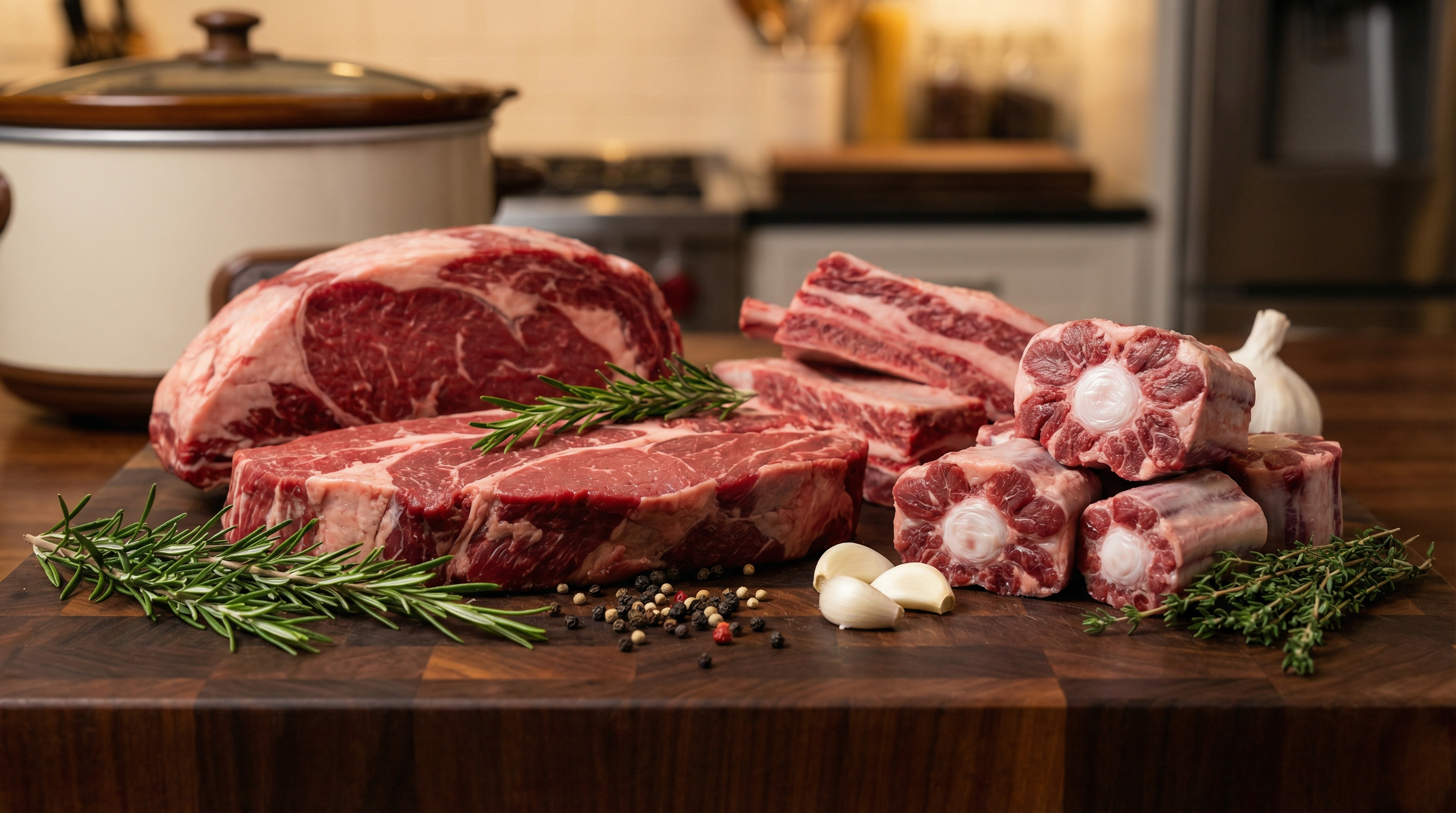
I've spent over 30 years behind the butcher counter, and one of the most common questions I get is: "What cut should I buy for my slow cooker?" The answer surprises most people — the best slow cooker beef isn't expensive. It's actually some of the cheapest meat in the case.
That's because slow cookers do something no other cooking method does quite as well: they transform tough, collagen-heavy cuts into silky, pull-apart tender meat over 6 to 10 hours of low, gentle heat. The cuts that make terrible steaks make extraordinary slow cooker meals. Once you understand why, you'll never waste money on the wrong cut again.
Why Tough Cuts Win in a Slow Cooker
A slow cooker operates between 170°F and 280°F — low enough to break down collagen without squeezing all the moisture out of the meat. This is the sweet spot for transforming connective tissue into gelatin, which is what gives slow-cooked beef that rich, silky mouthfeel and body.
Three things need to be present in a good slow cooker cut:
Collagen and connective tissue. These tough white fibers run through well-worked muscles. During slow cooking, collagen begins converting to gelatin around 160°F. Over hours, it dissolves completely, turning what was chewy and stringy into something you can cut with a spoon. Without collagen, you just get dry, overcooked meat.
Intramuscular fat (marbling). Fat distributed through the muscle renders slowly during cooking, basting the meat from the inside. This is your insurance against dryness. Lean cuts like eye of round lose their moisture over a long cook and turn to shoe leather.
Muscle fibers from active muscles. Muscles that worked hard during the animal's life — shoulders, legs, chest — develop dense fibers and deep flavor. These muscles taste beefy in a way that tender loin cuts never will. The slow cooker's low heat gradually relaxes these fibers into tenderness while preserving that rich flavor.
Now let me walk you through every cut that belongs in your slow cooker, ranked by how well they perform.
Chuck Roast — The Undisputed Champion
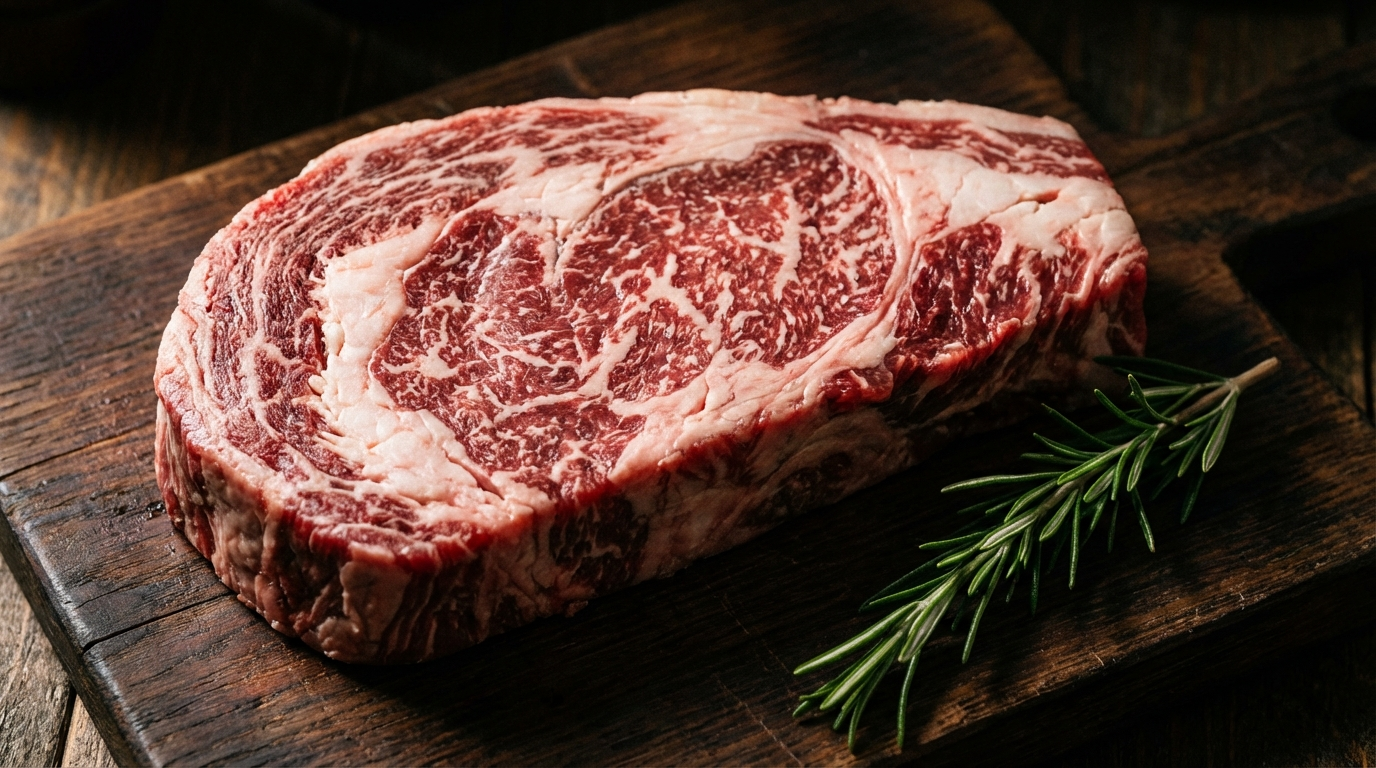
If I could only recommend one cut for slow cooking, it would be chuck roast every single time. Cut from the shoulder of the steer, the chuck does an enormous amount of work during the animal's life. That means it's loaded with connective tissue, well-marbled with intramuscular fat, and packed with deep, beefy flavor.
What makes chuck roast perfect for slow cooking is the balance. It has enough collagen to create a rich, velvety sauce as it melts. It has enough fat to stay moist through an 8-hour cook. And it has enough flavor to stand up to onions, garlic, red wine, or whatever you're cooking it with.
What to buy: Look for a boneless chuck roast (sometimes labeled "chuck shoulder roast" or "chuck pot roast") in the 3 to 4 pound range. You want visible white marbling throughout — avoid pieces that look uniformly lean. USDA Choice grade is ideal; Select grade chuck can be a bit dry.
How to cook it: Sear all sides in a hot skillet before it goes in the slow cooker. This builds a Maillard crust that adds enormous flavor to the braising liquid. Cook on low for 8 to 10 hours or high for 5 to 6 hours. It's done when a fork slides in and out with zero resistance.
Cost: $5 to $8 per pound for USDA Choice — one of the best values in the entire meat case.
Bone-In Short Ribs — Maximum Flavor
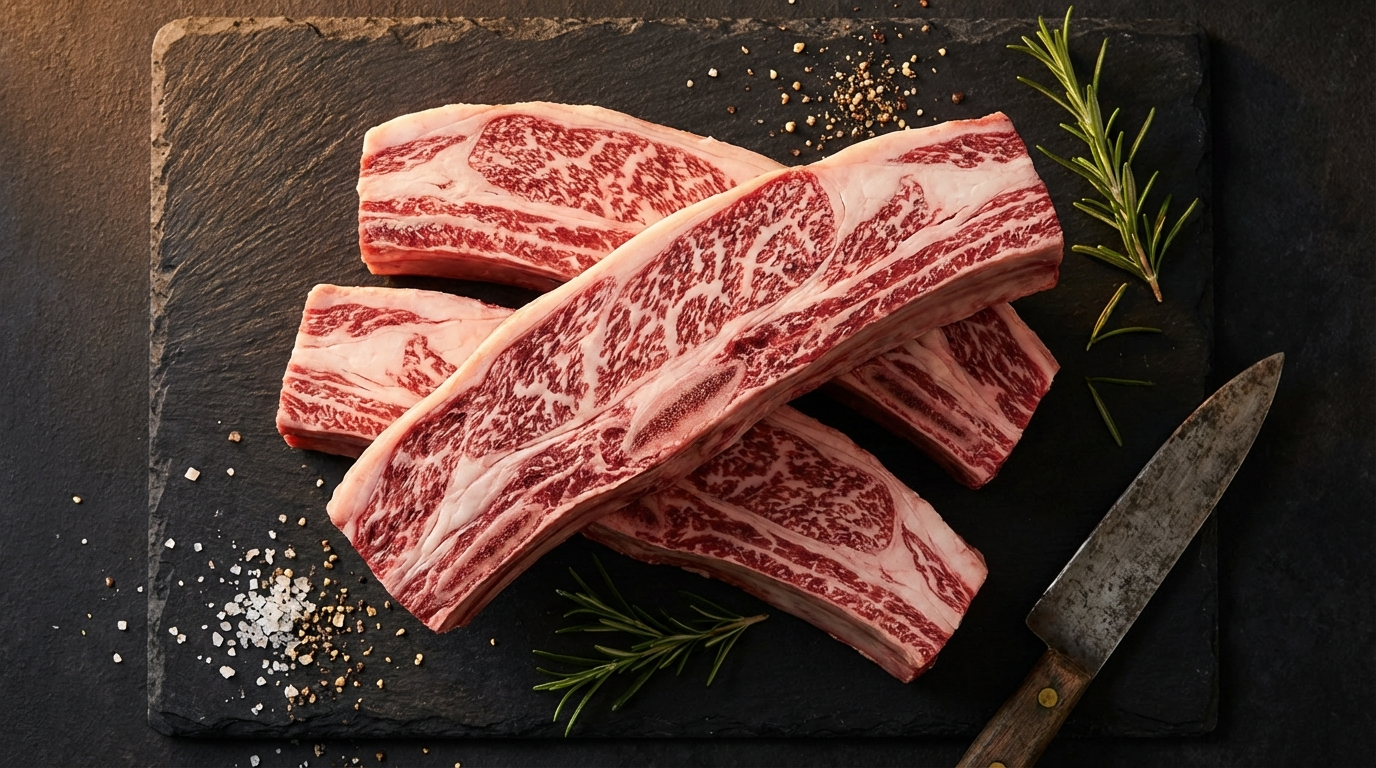
Short ribs are the luxury option for slow cooking, and they're worth every penny. Cut from the plate and rib sections of the steer, beef short ribs have an almost obscene amount of intramuscular fat and connective tissue, plus the bones contribute additional collagen and flavor to the cooking liquid.
After 8 hours in a slow cooker, short ribs become something almost indescribable — the meat slides off the bone in thick, trembling slabs, the fat has rendered into the sauce creating something as rich as the best restaurant gravy, and the bones have contributed a body and depth that boneless cuts can't match.
What to buy: English-cut short ribs (cut across the bone into thick 2 to 3 inch pieces) are ideal for slow cooking. Flanken-style (thin cuts across multiple bones) cook too fast and can dry out. Look for ribs with good marbling and a thick cap of meat above the bone.
How to cook them: Season aggressively and sear in batches — don't crowd the pan. Place bone-side down in the slow cooker with aromatics and liquid. Cook on low for 8 to 10 hours. The meat should practically fall apart when you lift it.
Cost: $7 to $12 per pound — more expensive than chuck, but the bones mean you're getting built-in stock for free.
Brisket Flat — Lean but Collagen-Rich
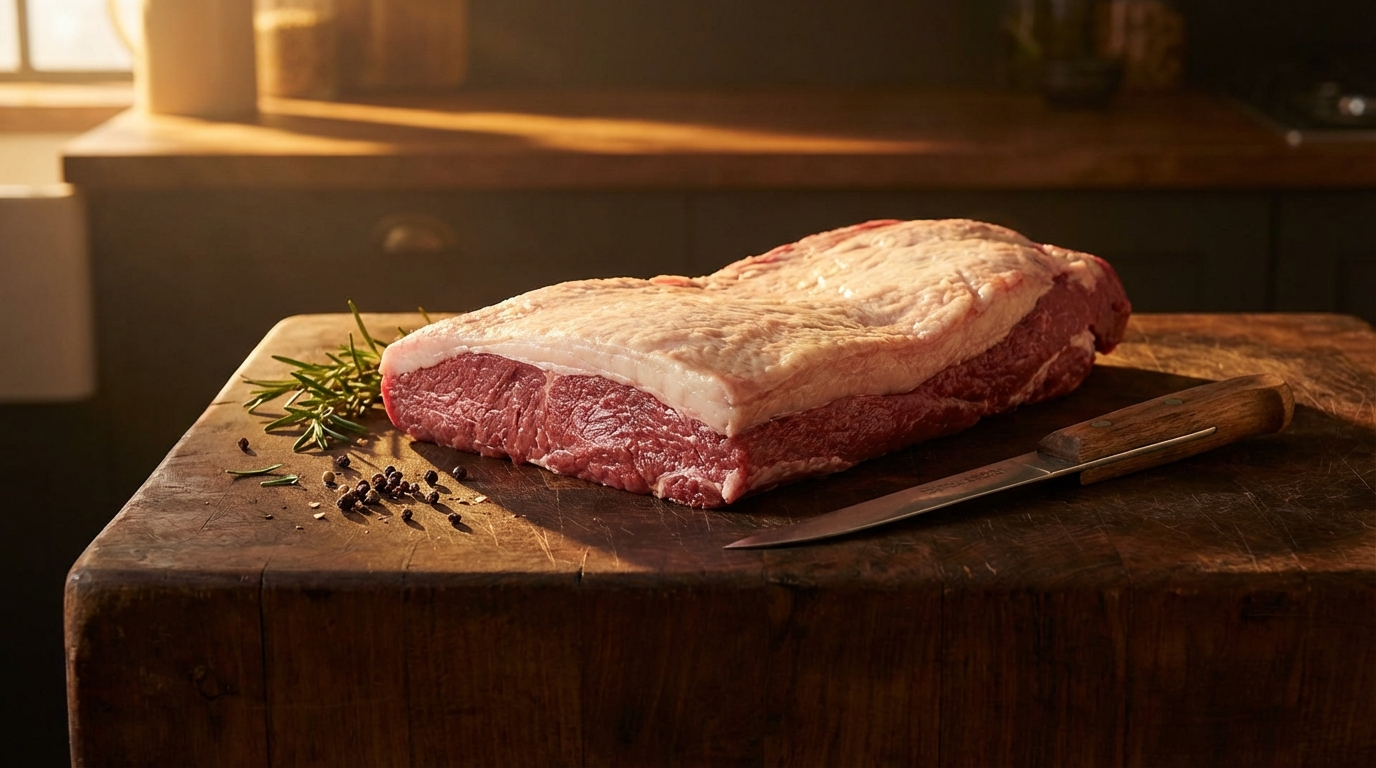
Brisket might be famous for smoking, but the flat portion is also outstanding in a slow cooker. The brisket comes from the chest of the steer — one of the hardest-working muscles on the animal. It's packed with collagen fibers running in long parallel lines, and when those break down over hours of slow cooking, they create exceptionally tender slices with a silky texture.
The flat is leaner than the point, which means it benefits from the slow cooker's moist environment. Unlike the smoker where the fat cap provides protection, in a slow cooker the surrounding liquid keeps the lean meat from drying out while the collagen does its work.
What to buy: Ask your butcher for a "first-cut brisket" or "brisket flat" — typically 3 to 5 pounds. Leave the fat cap on; it'll protect the meat during cooking and you can trim it after. Avoid "brisket point" for slow cooking — it's fattier and better suited for smoking.
How to cook it: Place fat-cap up in the slow cooker so the rendering fat bastes the meat. Cook on low for 8 to 10 hours. Slice against the grain — this is critical with brisket. Cutting with the grain gives you stringy, tough slices even when the meat is technically tender.
Cost: $5 to $9 per pound — varies widely by region and season.
Oxtail — The Secret Weapon
Oxtail is the most underrated cut for slow cooking. These cross-cut sections of the tail are surrounded by meat, fat, and an extraordinary amount of collagen — more per ounce than almost any other cut. The bone-to-meat ratio means your cooking liquid becomes intensely rich and gelatinous, almost like a demi-glace.
After hours of slow cooking, the meat around each vertebra becomes impossibly tender, and the marrow inside the bones melts into the sauce. The result is one of the most flavorful things you can make in a slow cooker, full stop.
What to buy: Look for oxtails cut into 1.5 to 2 inch thick cross-sections. They should feel heavy for their size (indicating good meat coverage around the bone). Many grocery stores carry them; Asian and Caribbean markets often have the best selection and prices.
How to cook them: Brown thoroughly — oxtails take well to a deep sear. Cook on low for 10 to 12 hours — they need more time than most cuts because of the dense collagen. The meat should pull away from the bone with no effort. Refrigerate the finished dish overnight and skim the solidified fat for the best results.
Cost: $6 to $10 per pound — once considered scraps, now priced for their quality.
Bottom Round Roast — The Budget Pick
Bottom round comes from the rear leg of the steer, and it's one of the leanest cuts in the case. That leanness makes it a mediocre steak but a perfectly good slow cooker roast — as long as you manage expectations and technique.
Bottom round won't give you the same melt-in-your-mouth richness as chuck or short ribs because it simply doesn't have the marbling or collagen content. But it slices beautifully, absorbs flavors well, and is the go-to cut when you want slow cooker roast beef for sandwiches or a Sunday dinner without spending $30 on meat.
What to buy: A 3 to 4 pound bottom round roast, sometimes labeled "rump roast." Top round works too but is slightly drier. Look for whatever marbling you can find — even in a lean cut, some fat helps.
How to cook it: Don't overcook it — this is the one slow cooker cut that suffers from too long in the pot. Cook on low for 6 to 8 hours maximum. Use plenty of liquid and aromatics. Rest 15 minutes before slicing against the grain.
Cost: $4 to $6 per pound — often the cheapest roast in the case.
Beef Shanks — Restaurant-Quality on a Budget
Beef shanks are cross-cut sections of the leg, and they're one of the great unsung heroes of the meat case. Each shank has a ring of bone in the center (filled with marrow), surrounded by incredibly tough, collagen-dense meat that transforms completely in a slow cooker.
If you've ever had osso buco at an Italian restaurant and paid $35 for it, you were eating a slow-cooked shank. You can make the same thing at home in a Crock-Pot for a fraction of the price.
What to buy: Shanks cut 1.5 to 2 inches thick from either the front (fore shank) or rear (hind shank) legs. The hind shank has slightly more meat. Make sure the bone marrow is still intact — that's where a lot of the flavor comes from.
How to cook them: Sear each shank on both flat sides to build a crust. Place in the slow cooker with aromatic vegetables, wine or stock, and cook on low for 8 to 10 hours. The meat will pull away from the bone and the marrow will have melted into the sauce, creating something extraordinarily rich.
Cost: $4 to $7 per pound — still affordable despite growing popularity.
Cuts to Avoid in a Slow Cooker
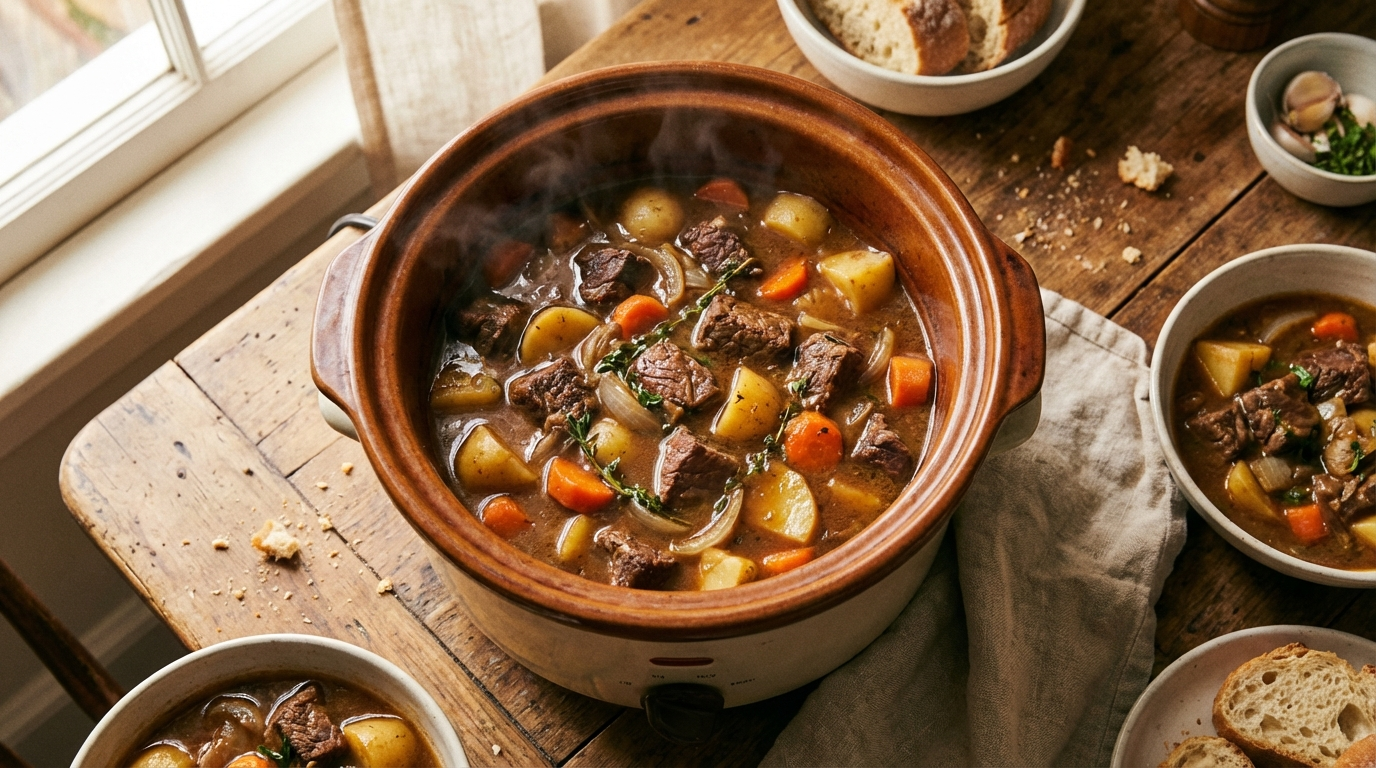
Not every cut belongs in a slow cooker. In fact, some of the most expensive beef at the store will give you the worst results in a Crock-Pot. Here's what to leave on the shelf:
Tenderloin / Filet Mignon: The most tender cut of beef is already tender — it doesn't need 8 hours of slow cooking. It has almost no collagen or fat, so extended cooking just makes it dry and mealy. This is a $30+/lb mistake.
Ribeye: While ribeye has excellent marbling, the fat distribution is designed for quick, high-heat cooking. In a slow cooker, the fat renders out completely and the delicate texture turns mushy. Cook a ribeye hot and fast, not low and slow.
Strip Steak / Sirloin Steak: Same problem. These cuts are tender by design and lack the collagen that makes slow cooking work. You're paying premium steak prices for a result that's worse than a $6/lb chuck roast.
Eye of Round: Despite being cheap and often recommended for slow cooking online, eye of round is too lean with too little collagen. It turns dry and stringy no matter how long you cook it. If you need a budget cut, use bottom round instead.
Essential Slow Cooker Tips from the Butcher Counter
After decades of hearing customers report back on their slow cooker results, these are the tips that make the biggest difference:
Always sear first. I know it defeats the "dump and go" appeal of the slow cooker, but spending 10 minutes browning your meat before it goes in adds an enormous amount of flavor through the Maillard reaction. The difference is night and day — a rich, complex, deeply savory result versus a flat, boiled-tasting one. This is the single most impactful thing you can do.
Don't lift the lid. Every time you open the slow cooker, you lose 15 to 20 minutes of cooking time as it recovers heat. Resist the urge to check on it. The whole point of a slow cooker is that it takes care of itself.
Use less liquid than you think. Meat and vegetables release a lot of moisture during cooking. If you fill the slow cooker with stock, you'll end up with a thin, watery sauce. Start with about 1 cup of liquid — you can always add more, but you can't take it away.
Cut your meat in large pieces. Don't cube your meat into 1-inch pieces for the slow cooker. Larger pieces (3 to 4 inches, or leave a roast whole) retain moisture better and give you that satisfying pull-apart texture. Small cubes overcook and dry out, even with the right cut.
Low is almost always better than high. The "high" setting on most slow cookers isn't just faster — it's hotter. For collagen-rich cuts, you want the longest, gentlest cook possible. Low for 8 to 10 hours beats high for 4 to 5 hours in both texture and flavor, every time.
Season your meat the night before. Salting your beef and refrigerating it uncovered overnight lets the salt penetrate deep into the meat and also dries the surface slightly, which gives you a better sear the next morning. This is the pro move that most recipes skip.
Frequently Asked Questions
What is the best cut of beef for a slow cooker?
Chuck roast is the best overall cut for slow cooking. It has the ideal balance of collagen, intramuscular fat, and deep beefy flavor. After 8 to 10 hours on low, it becomes fall-apart tender with a rich, silky sauce. It's also one of the most affordable roasts at $5 to $8 per pound.
Can you put raw beef in a slow cooker?
Yes, raw beef can go directly into a slow cooker and will cook safely. However, searing the meat in a hot skillet for 2 to 3 minutes per side before adding it to the slow cooker dramatically improves flavor through the Maillard reaction. The extra 10 minutes of effort makes a noticeable difference in the finished dish.
How long should beef cook in a slow cooker?
Most beef cuts need 8 to 10 hours on low or 5 to 6 hours on high. Collagen-dense cuts like oxtail may need 10 to 12 hours. Leaner cuts like bottom round should cook for no more than 6 to 8 hours to avoid drying out. The meat is done when a fork slides in and out with no resistance.
Why is my slow cooker beef tough?
Tough slow cooker beef is usually caused by one of three things: using a cut that's too lean (like eye of round or sirloin), not cooking long enough for the collagen to break down, or cutting the meat into pieces that are too small. Switch to a collagen-rich cut like chuck roast, cook on low for the full 8 to 10 hours, and keep pieces large.
Is chuck roast or bottom round better for slow cooker?
Chuck roast is significantly better for slow cooking. It has more marbling, more connective tissue, and more collagen than bottom round, which means it produces a more tender, flavorful, and moist result. Bottom round works in a pinch for slicing (like sandwich meat) but can't match chuck for fall-apart texture and rich sauce.
More Expert Guides
What Is Chateaubriand? (Cut, Cooking, & Best Sources)
Chateaubriand is a thick-cut roast from the center of the beef tenderloin, traditionally served for two. Learn what makes this classic French cut special and how to cook it.
14 min readWhat Is Round Steak? The Complete Guide to Beef's Most Versatile Budget Cut
Round steak comes from the rear leg of the cow — it's lean, affordable, and misunderstood. A master butcher breaks down every sub-cut, cooking method, and technique to turn this budget workhorse into genuinely delicious meals.
14 min readWhat Is Eye of Round? The Complete Butcher's Guide to This Lean Cut
Eye of round is one of the leanest, most affordable cuts in the entire beef case — and one of the most misunderstood. A butcher explains how to turn this budget-friendly roast into something genuinely delicious.