What Is Zabuton Steak? The Japanese-Inspired Cut Butchers Love
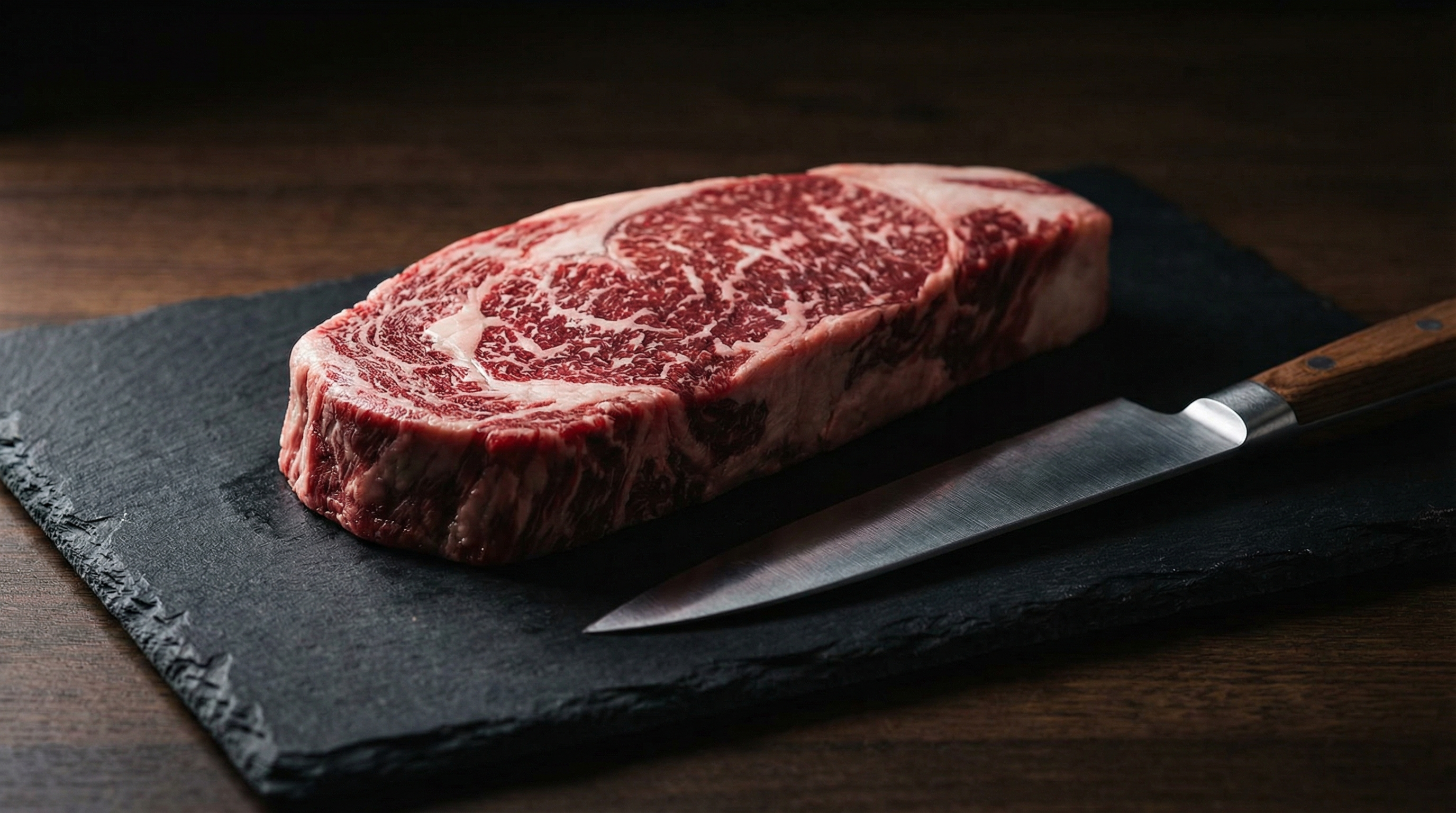
Walk into a high-end yakiniku restaurant in Tokyo, and you'll see a small, rectangular steak on every menu: the zabuton. The name means "little pillow" or "cushion" in Japanese — a reference to the cut's distinctively flat, rectangular shape. In American butchery, this same cut goes by a different name: the Denver steak. But regardless of what you call it, this is one of the most flavorful and well-marbled steaks on the entire animal, hiding in a primal that most people associate with pot roast.
The zabuton has been a staple of Japanese grilling culture for decades, but it only received its American identity in 2009, when researchers at the University of Florida and Colorado State University identified it as part of the beef industry's "Muscle Profiling" project — an effort to find undervalued cuts that could deliver premium eating experiences at lower prices. The result was the Denver steak, now one of the fastest-growing cuts in American butchery.
Where Zabuton Comes From on the Cow
The zabuton is cut from the chuck roll — specifically, from the serratus ventralis muscle, which sits beneath the shoulder blade. The chuck is the massive front shoulder section of the cow, running from the neck back to the fifth rib. Within this large primal, the serratus ventralis is a relatively small, well-protected muscle that doesn't do much heavy lifting compared to its neighbors.
This matters because muscle usage directly determines tenderness. The more a muscle works during the animal's life, the tougher it becomes. The serratus ventralis sits in a sweet spot — it's part of the chuck's complex muscle structure but is cushioned between layers of connective tissue and fat that protect it from the constant load-bearing work the shoulder performs. The result is a muscle that develops extensive intramuscular marbling while remaining surprisingly tender.
On the carcass, the zabuton sits just below the chuck eye (the forward extension of the ribeye muscle) and above the chuck short ribs. A skilled butcher can extract two to four zabuton steaks from each side of the animal, depending on how the chuck roll is broken down. Each steak typically weighs between 8 and 12 ounces and is naturally rectangular — roughly 5 inches long, 3 inches wide, and about an inch thick.
The cut's location within the chuck explains both its quality and its historical obscurity. For most of American butchery's history, the entire chuck was ground, braised, or roasted as one undifferentiated section. Nobody bothered separating the individual muscles because the chuck's reputation was "tough and cheap." The zabuton was hiding in plain sight — a premium steak buried inside a budget primal.
Zabuton vs. Denver Steak: Same Cut, Different Cultures
If you order a zabuton in Japan and a Denver steak in America, you're getting the same muscle — the serratus ventralis from the chuck roll. The difference is entirely cultural: how the cut is fabricated, how thick it's sliced, and how it's cooked.
Japanese zabuton is typically cut thin — between a quarter and a half inch — for yakiniku (Japanese grilled meat). At this thickness, the steak cooks in seconds over high-heat charcoal, and the marbling renders almost instantly. Japanese butchers also tend to cut the zabuton across the grain in narrow strips, maximizing tenderness in each bite. The eating experience is quick, intense, and focused on the fat's flavor.
American Denver steak is cut thicker — typically three-quarters to one inch — and treated like a traditional steak. It's seared in a cast iron pan or grilled over high heat, cooked to medium-rare, and served whole. The thicker cut allows for a proper crust to develop while keeping the interior pink and juicy. American butchers leave the steak in its natural rectangular shape without further fabrication.
Both approaches work beautifully because the underlying muscle has the marbling and tenderness to support either method. The zabuton's fat content is high enough that thin-slicing for yakiniku doesn't dry it out, and thick enough that a traditional American sear renders the intramuscular fat perfectly at medium-rare temperatures.
Why Zabuton Is So Well-Marbled
The zabuton's marbling rivals — and sometimes exceeds — that of a ribeye. In USDA Choice carcasses, the serratus ventralis consistently grades at the upper end of the marbling spectrum for its grade. In Prime carcasses, the zabuton can display marbling that approaches the intensity of high-end wagyu.
Three factors explain why this particular muscle accumulates so much intramuscular fat:
Position within the chuck: The serratus ventralis is sandwiched between layers of intermuscular fat and connective tissue. This protected position means the muscle has abundant access to lipid deposition sites — the spaces between and within muscle fibers where fat accumulates during finishing.
Moderate activity level: The muscle is active enough to develop flavor compounds (through normal metabolic activity) but not so active that it burns through its fat reserves. Muscles that work hard — like the shank — stay lean because they metabolize fat for energy. The serratus ventralis hits the ideal balance.
Blood supply: The chuck region has excellent vascularization, which means nutrients (including the fatty acids that become intramuscular fat) are delivered efficiently to the serratus ventralis during the animal's life. Well-vascularized muscles tend to marble more heavily than poorly supplied ones.
The practical result is a steak with fine, evenly distributed marbling that renders cleanly during cooking. Unlike some heavily marbled cuts where the fat can feel greasy or waxy, the zabuton's marbling melts at relatively low temperatures and integrates smoothly into each bite. This is what makes it such a standout — it eats richer than its price suggests.
How to Buy Zabuton Steak
Finding zabuton requires knowing what to ask for, because most grocery stores don't label it by either its Japanese or American name. Here's where to look:
Butcher shops: Ask for "Denver steak" or "zabuton" — any competent butcher will know one or both names. Independent shops are your best bet because they break down whole primals in-house and can fabricate the cut fresh. Some shops carry it as a regular item; others will cut it to order if you ask. Expect to pay $12–18 per pound for USDA Choice, which is significantly less than ribeye or strip.
Costco and warehouse stores: Costco has carried Denver steaks intermittently in many markets. When available, they're typically USDA Choice at competitive prices. Check the beef section near the flank and skirt steaks — Denver steaks are often merchandised alongside other "alternative" cuts rather than with the premium steaks.
Online specialty retailers: Companies like The Meatery carry premium Denver steaks in USDA Prime and American Wagyu grades. Online is the best option if you want higher grades — most local shops only stock Choice. Prices for wagyu-grade zabuton run $25–40 per pound, which is still well below wagyu ribeye.
DIY from a whole chuck roll: If you're comfortable with a boning knife, you can buy a whole USDA Prime chuck roll (often available at Costco for $6–8/lb) and extract the zabuton yourself. The serratus ventralis separates cleanly from the surrounding muscles once you identify the fat seams. You'll get 2–4 steaks plus a chuck eye roast and trim for grinding — excellent value.
What to look for: A quality zabuton should be deep red with visible marbling throughout — not just at the edges. The shape should be roughly rectangular with clean edges (ragged edges mean sloppy fabrication). There's a central connective tissue seam that runs through the middle of some Denver steaks — this is normal and softens completely during cooking. Avoid any zabuton that looks pale or has large chunks of external fat left on.
How to Cook Zabuton Steak
The zabuton is one of the most forgiving steaks to cook because its high fat content provides a buffer against overcooking. That said, the best results come from methods that develop a hard sear while keeping the interior at medium-rare.
Cast Iron Sear (Best Everyday Method)
The cast iron sear is ideal for zabuton because the flat, rectangular shape makes full contact with the pan — no wasted surface area.
- Season aggressively with coarse kosher salt and freshly cracked black pepper. Do this at least 45 minutes before cooking, or the night before (uncovered in the fridge) for the best possible crust.
- Bring to room temperature — 30 minutes on the counter is enough. Cold steaks cook unevenly.
- Heat your cast iron skillet over high heat until it just begins to smoke. Add a thin film of high-smoke-point oil (avocado or refined grapeseed).
- Sear for 3 minutes per side without moving. The zabuton's fat will render and baste the meat as it cooks. Press gently with a spatula to ensure full contact.
- Check temperature: Pull at 125°F internal for medium-rare (it will rise 5°F during resting). The marbling keeps this cut juicy even at medium (135°F), but medium-rare is optimal.
- Rest 5 minutes on a wire rack or cutting board. Slice against the grain — the grain runs lengthwise along the rectangle.
Yakiniku Style (Japanese Method)
For an authentic Japanese experience, slice the zabuton thin (quarter inch) against the grain before cooking. Grill each slice for 15–20 seconds per side over the hottest part of a charcoal grill or on a cast iron griddle at maximum heat. The thin slices cook almost instantly — the marbling renders in seconds, creating caramelized edges with a barely-cooked, buttery interior. Dip in a mixture of soy sauce, sesame oil, garlic, and a touch of sugar. This is how zabuton is served at high-end yakiniku restaurants in Tokyo, and it's a revelation.
Reverse Sear (For Thick Cuts)
If you have a zabuton cut thicker than one inch, the reverse sear gives you more control:
- Place seasoned steak on a wire rack over a sheet pan in a 250°F oven.
- Cook until internal temperature reaches 110°F (about 25–35 minutes).
- Sear in a ripping-hot cast iron pan for 60–90 seconds per side.
- Rest 5 minutes. Target 130°F final internal temperature.
The reverse sear produces the most even doneness edge-to-edge, which matters for a cut this well-marbled — you want every bit of that fat properly rendered.
Zabuton vs. Other Chuck Steaks
The chuck contains several individual muscles that have been "rediscovered" as steaks. Here's how the zabuton compares to its neighbors:
Zabuton vs. Flat Iron: Both come from the chuck and both are tender, but they're different muscles. The flat iron (infraspinatus) is the second most tender muscle on the animal — slightly more tender than the zabuton but with less marbling. The flat iron has a cleaner, leaner flavor; the zabuton is richer and fattier. If you want buttery richness, choose zabuton. If you want pure tenderness with cleaner flavor, choose flat iron.
Zabuton vs. Chuck Eye: The chuck eye is the forward extension of the ribeye longissimus dorsi — essentially the last ribeye steak before the rib section ends and the chuck begins. It has similar marbling to a ribeye but is slightly tougher. The zabuton has comparable marbling to the chuck eye but comes from a completely different muscle with a different texture — softer, more open grain. Both are excellent value cuts.
Zabuton vs. Ribeye: The zabuton holds its own against a ribeye in blind tastings, which says everything about its quality. The ribeye is larger, has the spinalis cap (the best part), and is more consistently available. The zabuton is smaller, more uniform in shape, and costs 30–50% less. For everyday cooking, the zabuton delivers 90% of the ribeye experience at a fraction of the cost.
The Central Connective Tissue Seam
One thing you'll notice in many zabuton steaks is a thin line of connective tissue running through the center of the cut. This is the natural fascia between sections of the serratus ventralis, and it's the only "flaw" in an otherwise perfect steak.
Here's the good news: this seam is largely collagen, and collagen softens dramatically at temperatures above 130°F. When you cook a zabuton to medium-rare, most of this seam breaks down and becomes virtually unnoticeable. If you cook it thin (yakiniku style), the seam disappears entirely. It's only an issue if you serve the steak very rare, where the collagen hasn't had time to soften.
Some butchers remove this seam entirely, splitting the zabuton into two thinner steaks. This is a legitimate approach but sacrifices thickness. Unless the seam bothers you, leave it intact — it won't affect your eating experience at proper doneness.
The Butcher's Bottom Line on Zabuton
The zabuton is proof that the best steaks aren't always the most expensive or the most famous. This cut has been prized in Japanese cuisine for generations, ignored by American butchery for just as long, and only recently recognized for what it is: one of the best steaks on the animal.
At $12–18 per pound for Choice grade — compared to $20–30+ for ribeye — the zabuton delivers extraordinary marbling, reliable tenderness, and deep beef flavor at a price that makes it an everyday steak rather than a special occasion. It sears beautifully, forgives minor overcooking thanks to its fat content, and works equally well as a thick American steak or thin Japanese yakiniku slice.
If you've never tried a zabuton, start with a simple cast iron sear: salt, pepper, screaming hot pan, medium-rare. That's all this cut needs. The marbling does the rest.
For premium zabuton (Denver steak) in USDA Prime and American Wagyu grades, explore The Meatery's beef collection — every cut is hand-selected for marbling quality and shipped fresh to your door.
Frequently Asked Questions
What is zabuton steak?
Zabuton is a richly marbled steak cut from the serratus ventralis muscle in the chuck (shoulder) of the cow. The name means "little pillow" in Japanese, referring to its flat, rectangular shape. In American butchery, the same cut is called Denver steak.
Is zabuton the same as Denver steak?
Yes. Zabuton and Denver steak are the same muscle — the serratus ventralis from the chuck roll. Zabuton is the Japanese name used in yakiniku restaurants; Denver steak is the American name given during a 2009 beef industry muscle profiling study.
How does zabuton compare to ribeye?
Zabuton rivals ribeye for marbling and delivers about 90% of the flavor and tenderness at 30-50% less cost. Ribeye is larger, more widely available, and has the prized spinalis cap. Zabuton is more uniform in shape and an excellent everyday alternative.
What is the best way to cook zabuton steak?
Cast iron sear is the best everyday method: season with salt and pepper, sear 3 minutes per side in a smoking-hot pan, and pull at 125°F internal for medium-rare. For Japanese-style yakiniku, slice thin (1/4 inch) and grill 15-20 seconds per side over high heat.
Where can I buy zabuton steak?
Ask your butcher for "Denver steak" or "zabuton." Independent butcher shops are most likely to carry it. Costco stocks Denver steaks intermittently. Online retailers like The Meatery carry premium grades including USDA Prime and American Wagyu.
Why is there a line through the middle of my Denver steak?
That is a natural connective tissue seam (fascia) between sections of the serratus ventralis muscle. It softens and becomes virtually unnoticeable when cooked to medium-rare or above. It is not a defect — it is normal for this cut.
More Expert Guides
What Is Chateaubriand? (Cut, Cooking, & Best Sources)
Chateaubriand is a thick-cut roast from the center of the beef tenderloin, traditionally served for two. Learn what makes this classic French cut special and how to cook it.
14 min readWhat Is Round Steak? The Complete Guide to Beef's Most Versatile Budget Cut
Round steak comes from the rear leg of the cow — it's lean, affordable, and misunderstood. A master butcher breaks down every sub-cut, cooking method, and technique to turn this budget workhorse into genuinely delicious meals.
14 min readWhat Is Eye of Round? The Complete Butcher's Guide to This Lean Cut
Eye of round is one of the leanest, most affordable cuts in the entire beef case — and one of the most misunderstood. A butcher explains how to turn this budget-friendly roast into something genuinely delicious.