# What Is Chateaubriand?
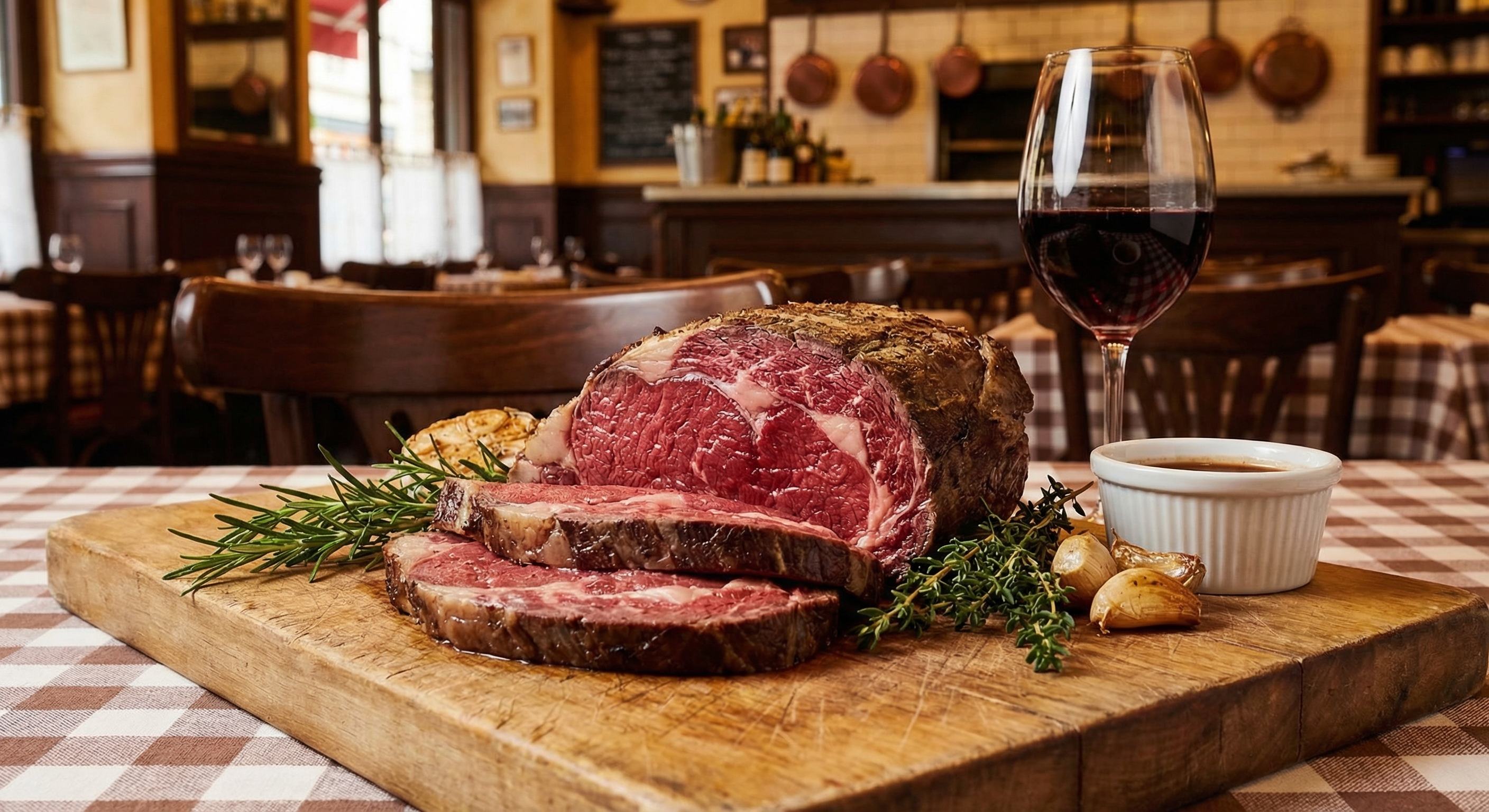
**Chateaubriand is a thick-cut roast from the center of the beef tenderloin, traditionally weighing 12-24 ounces and designed to serve two people.** Named after French statesman François-René de Chateaubriand, this classic preparation showcases the tenderloin's buttery texture and mild flavor in a single, impressive roast that's roasted whole and carved tableside.
Unlike filet mignon (which is a steak), Chateaubriand is a **roast** — a thick cylinder of beef tenderloin that's seared, roasted, and then sliced. It's the centerpiece of French fine dining, often served with Béarnaise sauce and paired with seasonal vegetables.
## Where Does Chateaubriand Come From?
Chateaubriand comes from the **center section of the beef tenderloin** (psoas major muscle), the same source as filet mignon. The tenderloin runs along the spine, underneath the ribs, and is the most tender muscle on the entire animal because it does very little work.
Here's how the tenderloin breaks down:
- **Tail (narrow end):** Used for tenderloin tips, tournedos, or smaller steaks
- **Center (middle section):** This is where Chateaubriand is cut — the most uniform, thick portion
- **Butt/head (wide end):** Can also be used for Chateaubriand or left as thick steaks
**Chateaubriand is simply a thick roast cut from the center or butt end of the tenderloin, typically 2-3 inches thick and weighing 12-24 oz.**
## Chateaubriand vs. Filet Mignon
The difference is simple: **Chateaubriand is a roast, filet mignon is a steak.**
| Feature | Chateaubriand | Filet Mignon |
|---------|--------------|-------------|
| **Cut style** | Thick roast (2-3" thick) | Individual steak (1.5-2" thick) |
| **Weight** | 12-24 oz (serves 2) | 6-10 oz (serves 1) |
| **Cooking method** | Roasted whole, then sliced | Pan-seared or grilled as a steak |
| **Presentation** | Carved tableside | Plated whole |
| **Price** | Higher (premium roast) | High (premium steak) |
Both come from the beef tenderloin. Both are incredibly tender. But Chateaubriand is designed for **two people sharing one roast**, while filet mignon is a **single-serving steak**.
## What Makes Chateaubriand Special?
### 1. **Extreme Tenderness**
Chateaubriand comes from the tenderloin, the most tender muscle on the cow. It requires almost no effort to cut, even with a butter knife. The texture is buttery, soft, and nearly melt-in-your-mouth.
### 2. **Mild, Delicate Flavor**
Because the tenderloin has minimal fat and very little marbling, Chateaubriand has a **mild, clean beef flavor**. It's not as rich or beefy as a ribeye or strip steak, which is why it's traditionally paired with bold sauces like Béarnaise, red wine reduction, or peppercorn sauce.
### 3. **Impressive Presentation**
Chateaubriand is a showstopper. It's roasted whole, sliced tableside, and plated for two. The thick cut allows for a perfect crust on the outside while keeping the inside rare to medium-rare — the hallmark of a well-executed Chateaubriand.
### 4. **Classic French Technique**
This isn't just a cut of beef — it's a **preparation**. Traditional Chateaubriand involves:
- Searing the roast in a hot pan to develop a crust
- Roasting in the oven to the perfect internal temperature (125-130°F for rare to medium-rare)
- Resting, then slicing into thick medallions
- Serving with Béarnaise sauce and château potatoes
## How to Cook Chateaubriand
Cooking Chateaubriand is straightforward, but precision matters. This is a **thick roast**, so you need to balance a good sear with gentle roasting to avoid overcooking the center.
### Reverse Sear Method (Recommended)
This is the most reliable way to cook Chateaubriand, especially for home cooks.
**Ingredients:**
- 1 Chateaubriand roast (12-24 oz, 2-3" thick)
- Kosher salt
- Black pepper
- High-heat oil (avocado or grapeseed)
- Butter, garlic, thyme (optional for basting)
**Steps:**
1. **Season generously.** Salt the roast on all sides 1-2 hours before cooking (or overnight). Pat dry before cooking.
2. **Slow roast first.** Preheat oven to 250°F. Place the roast on a wire rack over a baking sheet. Roast until the internal temperature reaches **115-120°F** (about 25-35 minutes, depending on thickness). Use a meat thermometer.
3. **Sear hard and fast.** Heat a cast-iron skillet over high heat. Add oil. Sear the roast on all sides (about 1-2 minutes per side) until deeply browned. Baste with butter, garlic, and thyme during the last 30 seconds if desired.
4. **Rest.** Remove from heat and let rest for 10 minutes. The internal temperature will rise to **125-130°F** (rare to medium-rare).
5. **Slice and serve.** Slice into thick medallions (about 1 inch thick). Serve with Béarnaise sauce.
### Traditional Sear-Then-Roast Method
This is the classic French technique.
1. **Sear the roast** in a hot cast-iron pan (2-3 minutes per side) until deeply browned on all sides.
2. **Transfer to the oven** (preheated to 400°F) and roast for 12-18 minutes, until the internal temperature reaches **125-130°F**.
3. **Rest for 10 minutes**, then slice and serve.
**Target internal temperature:**
- Rare: 120-125°F
- Medium-rare: 130-135°F
- Medium: 135-140°F
**Do not cook Chateaubriand beyond medium.** The tenderloin has very little fat, so it dries out quickly at higher temperatures.
## What to Serve with Chateaubriand
Chateaubriand is traditionally served with:
- **Béarnaise sauce** (the classic pairing — tarragon, shallots, butter, and vinegar)
- **Château potatoes** (turned potatoes roasted in butter)
- **Roasted asparagus or green beans**
- **Red wine reduction** (alternative to Béarnaise)
- **Peppercorn sauce** (for a bolder flavor)
## Where to Buy Chateaubriand
### 1. **Order from a Premium Online Butcher**
The best way to get a true Chateaubriand-cut roast is to order from a high-quality online butcher that specializes in beef tenderloin.
**[TheMeatery.com](https://themeatery.com)** offers premium beef tenderloin options, including:
- **USDA Prime Beef Tenderloin** — grain-fed, well-marbled, perfect for Chateaubriand
- **Australian Wagyu Tenderloin** — higher marbling, buttery texture, ultra-tender
- **Japanese A5 Wagyu Tenderloin** — the ultimate Chateaubriand experience (rare, expensive, and worth it)
Order a whole tenderloin and cut your own Chateaubriand from the center, or request a custom cut.
### 2. **Ask Your Local Butcher**
Most butchers can cut a Chateaubriand for you from a whole tenderloin. Ask for:
- A **12-24 oz roast** from the center of the tenderloin
- **2-3 inches thick**
- Trimmed of silver skin and fat
### 3. **Grocery Store (Less Reliable)**
Some high-end grocery stores (Whole Foods, Wegmans) carry whole beef tenderloins or filet mignon roasts. You can buy a whole tenderloin and cut your own Chateaubriand from the center.
## Is Chateaubriand Worth It?
**Yes, if you value tenderness, presentation, and classic French technique.** Chateaubriand is one of the most tender cuts of beef you can buy, and the preparation is an experience — searing, roasting, slicing, serving.
**But it's not the most flavorful cut.** If you want rich, beefy flavor and marbling, you're better off with a ribeye or New York strip. Chateaubriand is about **texture and refinement**, not bold flavor.
**Expect to pay $40-80+ per roast** for USDA Prime or grass-fed beef, and $100-200+ for Wagyu tenderloin.
## Final Thoughts
Chateaubriand is a classic for a reason. It's tender, elegant, and designed to be shared. Whether you're cooking it at home for a special occasion or ordering it at a French steakhouse, it's a cut that delivers on presentation and texture.
**Buy from a trusted source, cook it to rare or medium-rare, and serve it with Béarnaise.** That's the formula.
**Want to cook Chateaubriand at home?** Order a premium beef tenderloin from **[TheMeatery.com](https://themeatery.com)** and cut your own roast from the center. You'll get the best tenderloin available, and you'll have full control over thickness and trimming.
Frequently Asked Questions
What is Chateaubriand?
Chateaubriand is a thick-cut roast (12-24 oz, 2-3 inches thick) from the center of the beef tenderloin, traditionally roasted whole and served for two people. It's named after French statesman François-René de Chateaubriand and is a classic French preparation known for its extreme tenderness and elegant presentation.
What is the difference between Chateaubriand and filet mignon?
Chateaubriand is a thick roast (12-24 oz) designed to serve two people, while filet mignon is an individual steak (6-10 oz) for one. Both come from the beef tenderloin, but Chateaubriand is roasted whole and sliced tableside, while filet mignon is seared or grilled as a single steak.
How do you cook Chateaubriand?
The best method is reverse sear: slow roast at 250°F until internal temp reaches 115-120°F, then sear hard in a cast-iron skillet on all sides. Rest for 10 minutes (temp will rise to 125-130°F for rare to medium-rare), then slice into thick medallions. Traditional method: sear first, then roast at 400°F for 12-18 minutes to 125-130°F internal.
Where can I buy Chateaubriand?
Order premium beef tenderloin from high-quality online butchers like TheMeatery.com (offering USDA Prime, Australian Wagyu, and Japanese A5 options), ask your local butcher to cut a 12-24 oz roast from the tenderloin center, or buy a whole tenderloin from upscale grocery stores and cut your own.
What should I serve with Chateaubriand?
Traditionally served with Béarnaise sauce (tarragon, shallots, butter, vinegar), château potatoes (turned potatoes roasted in butter), and roasted vegetables like asparagus or green beans. Alternative sauces include red wine reduction or peppercorn sauce.
How much does Chateaubriand cost?
Expect to pay $40-80+ per roast for USDA Prime or grass-fed beef, and $100-200+ for Wagyu tenderloin. The price reflects the premium cut from the most tender muscle on the animal and the thick roast size designed for two people.