The Most Tender Beef Cuts: A Butcher's Ranking from Softest to Firmest
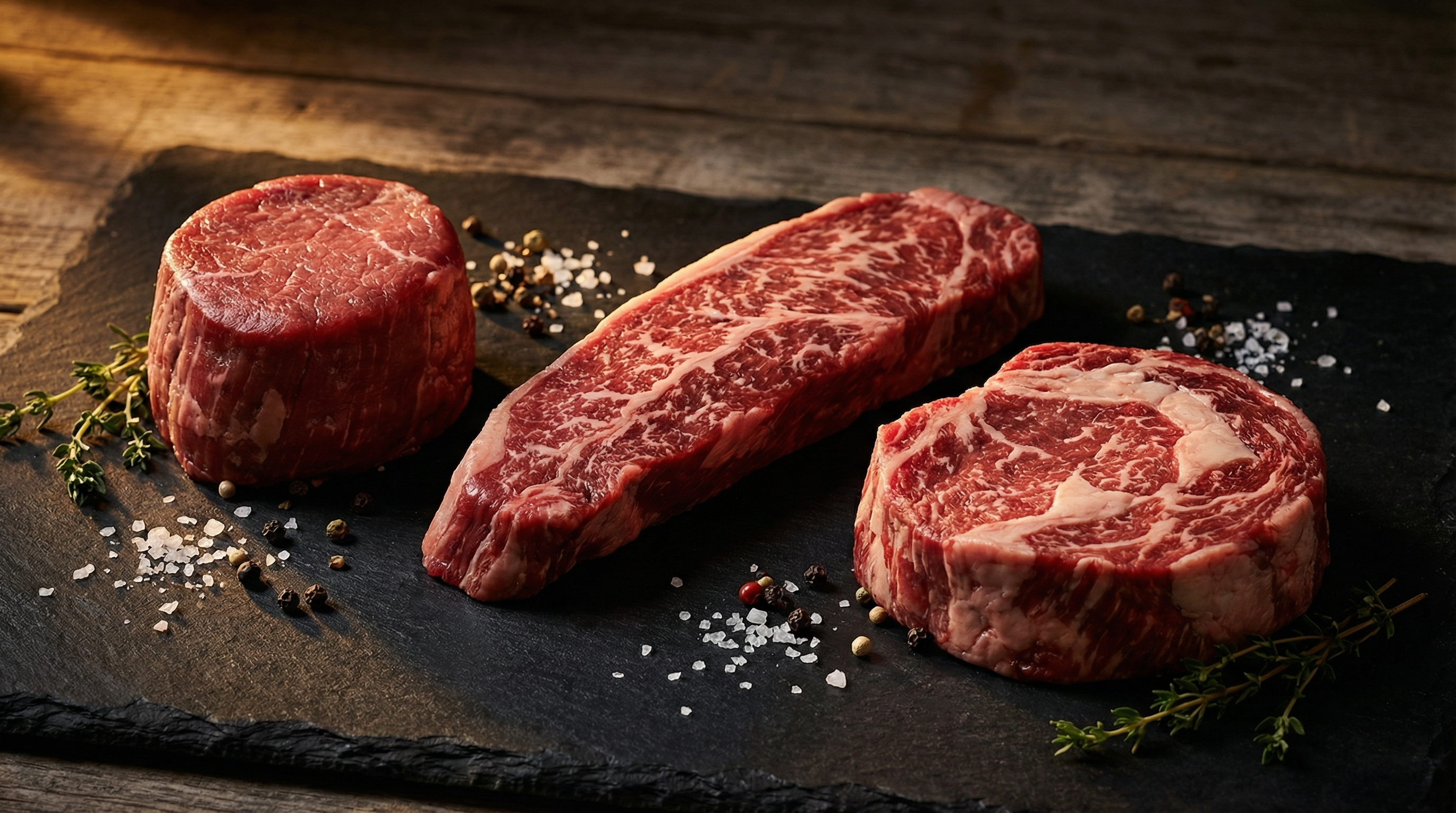
People walk up to my counter every day and ask for "a tender steak." And every time, I ask the same question back: how tender? Because tenderness in beef isn't binary — it's a spectrum. A filet mignon and a flat iron are both "tender," but they're in completely different leagues. One melts on your tongue like butter. The other has a satisfying bite with just enough chew to remind you that you're eating steak, not pudding.
After 30 years of cutting, selling, and eating beef, I've handled every muscle on the animal. I know which ones dissolve at the touch of a fork and which ones fight back. And I'm going to rank them all for you — the most tender beef cuts, from the absolute softest to the ones that merely qualify as tender — so you never have to guess at the butcher counter again.
What Makes a Beef Cut Tender?
Before we rank anything, you need to understand why some cuts are tender and others aren't. It comes down to three factors:
1. How much work the muscle does. Muscles that work constantly during the animal's life — legs, shoulders, chest — develop tough, dense fibers and thick connective tissue. Muscles along the back that just support the spine barely work at all. Less work equals more tenderness. It's that simple.
2. Connective tissue content. Collagen and elastin form the scaffolding of muscle. Cuts with heavy connective tissue (like chuck and brisket) are tough when cooked fast but can become incredibly tender when braised for hours. The cuts on this list are naturally low in connective tissue, meaning they're tender with quick-cooking methods.
3. Intramuscular fat (marbling). Marbling acts as a lubricant between muscle fibers. When it melts during cooking, it separates the fibers and makes every bite feel softer. Two cuts with identical muscle structure will feel different if one has heavier marbling — the fattier one will seem more tender.
With those principles in mind, here's my definitive ranking.
1. Tenderloin (Filet Mignon) — The Undisputed Champion
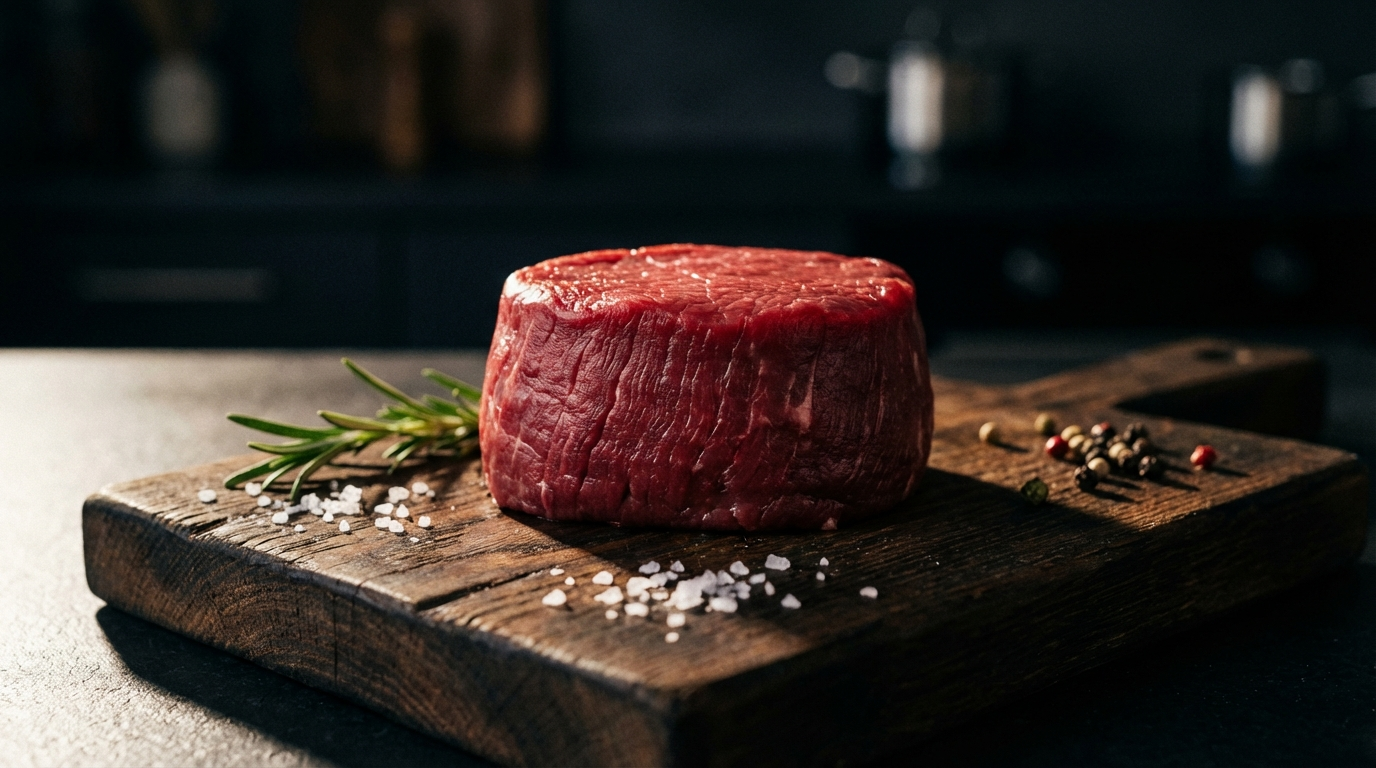
No surprise here. The tenderloin (psoas major) is the single most tender muscle on the entire carcass, and it's not even close. This muscle sits tucked beneath the spine, completely protected from any physical work. The animal never uses it to walk, stand, or support weight. It just sits there, getting softer every day of the steer's life.
A properly cooked filet mignon requires almost no chewing. You can cut it with the side of a fork. The texture is so soft it's almost creamy — some people describe it as "velvety." That extreme tenderness is the filet's entire identity.
The trade-off: Tenderloin is very lean. It has less marbling than ribeye or strip, which means less beefy flavor. That's why filet mignon is almost always served with a sauce (béarnaise, peppercorn, red wine reduction) or wrapped in bacon — the accompaniments supply the richness the meat lacks.
How to cook it: Pan-sear in cast iron with a butter baste. Get the skillet screaming hot, sear 3-4 minutes per side, then baste with butter, garlic, and thyme. Pull at 125°F for medium-rare. The lean profile means every degree past medium-rare costs you moisture — don't overcook this one.
Price: $35-$60/lb for individual steaks. Buy a whole tenderloin ($22-$35/lb) and cut it yourself to save 40%.
2. Ribeye Cap (Spinalis Dorsi) — The Flavor King
If the tenderloin is the most tender, the spinalis dorsi — the crescent-shaped cap muscle that wraps around the outside of the ribeye — is the most tender cut that also delivers extraordinary flavor. It's the best of both worlds, and most steak lovers who've had it consider it the single finest piece of beef on the animal.
The spinalis sits along the outer edge of the rib primal, doing almost no work. It's heavily marbled — far more so than the tenderloin — which gives it a buttery, almost unctuous mouthfeel. When rendered properly, the fat melts through every fiber, making each bite impossibly rich and soft.
The catch: The spinalis cap is small. Each ribeye steak only has a strip of cap muscle, and buying it separated from the eye requires a skilled butcher willing to break apart a premium cut. It's rare at retail and expensive when you find it.
How to cook it: Treat it like a ribeye — reverse sear for thick portions, or a hot cast iron sear for thinner strips. The heavy marbling means it's forgiving; even medium doneness stays juicy and tender.
Price: $30-$50/lb when sold separately. Or just buy a whole ribeye and enjoy the cap as the best bites of each steak.
3. Flat Iron Steak — The Best-Kept Secret
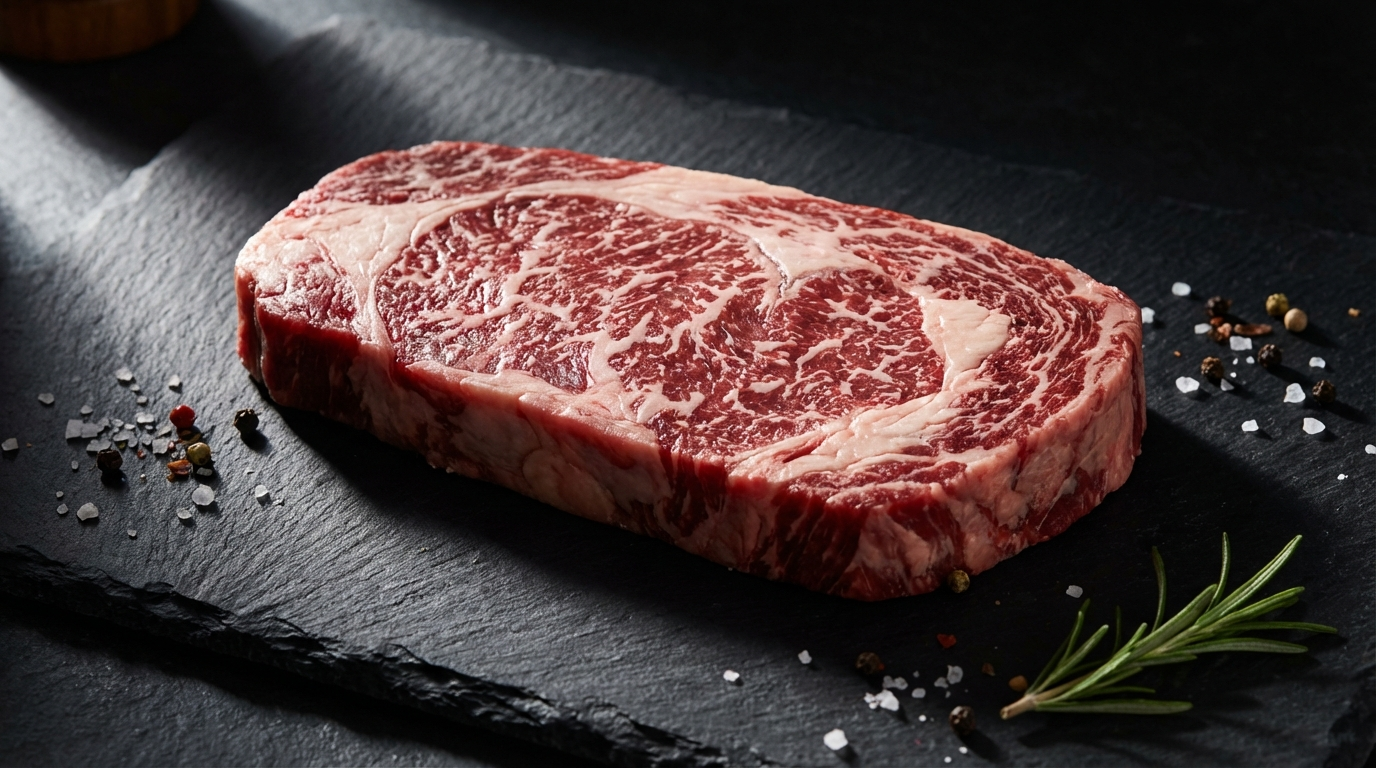
Here's where things get interesting. The flat iron comes from the chuck (shoulder) — a primal that's normally associated with tough, braising cuts. But the top blade muscle (infraspinatus) is a freak of nature. Research at the University of Nebraska identified it as the second most tender muscle in the entire carcass, right behind the tenderloin.
The problem was that a tough band of connective tissue runs right through the center of the top blade, making it seem tough when cooked whole. The breakthrough came when someone figured out you could split the muscle along that seam, remove the gristle, and end up with two incredibly tender steaks. The flat iron was born.
Why it's underrated: Because it comes from the chuck, people assume it's a tough cut. It isn't. A well-cut flat iron has tenderness approaching tenderloin levels, with significantly more flavor and marbling. It's the single best value in tender beef — hands down.
How to cook it: Grill or pan-sear like a strip steak. Season with salt and pepper, cook over high heat to medium-rare (130-135°F), slice against the grain. Dead simple, and the results are stunning for the price.
Price: $8-$14/lb. At this price, there's no excuse not to try it.
4. Ribeye (Longissimus Dorsi + Spinalis) — The Total Package
The ribeye is the complete steak experience — tenderness, flavor, juiciness, and visual drama all in one cut. The main eye (longissimus dorsi) is very tender on its own, and the heavy marbling in the rib section elevates it further. Add the spinalis cap (which we already ranked #2) and you've got a steak with multiple textures and flavors in every bite.
The ribeye's tenderness is different from the filet's. Where a filet is uniformly soft, the ribeye has layers — butter-soft cap, tender-but-structured eye, pockets of rendered fat. Some people prefer this complexity over the filet's one-note softness.
How to cook it: Reverse sear is king for thick-cut ribeyes (1.5"+). Low oven (250°F) until 115°F internal, then sear in screaming-hot cast iron. The slow initial cook renders the marbling evenly. For thinner cuts, a straight pan sear works perfectly.
Price: $16-$45/lb depending on grade. Prime and wagyu ribeyes are the ultimate expression of this cut.
5. Teres Major (Petite Tender / Shoulder Tender)
This is the cut that 95% of Americans have never heard of. The teres major (sometimes sold as "petite tender" or "shoulder filet") is a small, torpedo-shaped muscle from the chuck that's remarkably tender — the third most tender in the carcass after the psoas major and infraspinatus.
It looks like a miniature tenderloin (hence "petite tender"), weighs about 8-12 ounces each, and has a rich, beefy flavor that surpasses filet mignon. The problem? Each steer only has two, and most grocery stores don't bother separating them from the rest of the chuck. You'll need a real butcher.
How to cook it: Sear in cast iron like a small tenderloin, or cut into medallions. Pull at 125-130°F. Rest 5 minutes. The compact shape makes it cook fast — watch the temp carefully.
Price: $8-$12/lb when you can find it. The best value in premium-tender beef, bar none.
6. New York Strip (Longissimus Dorsi, Short Loin Section)
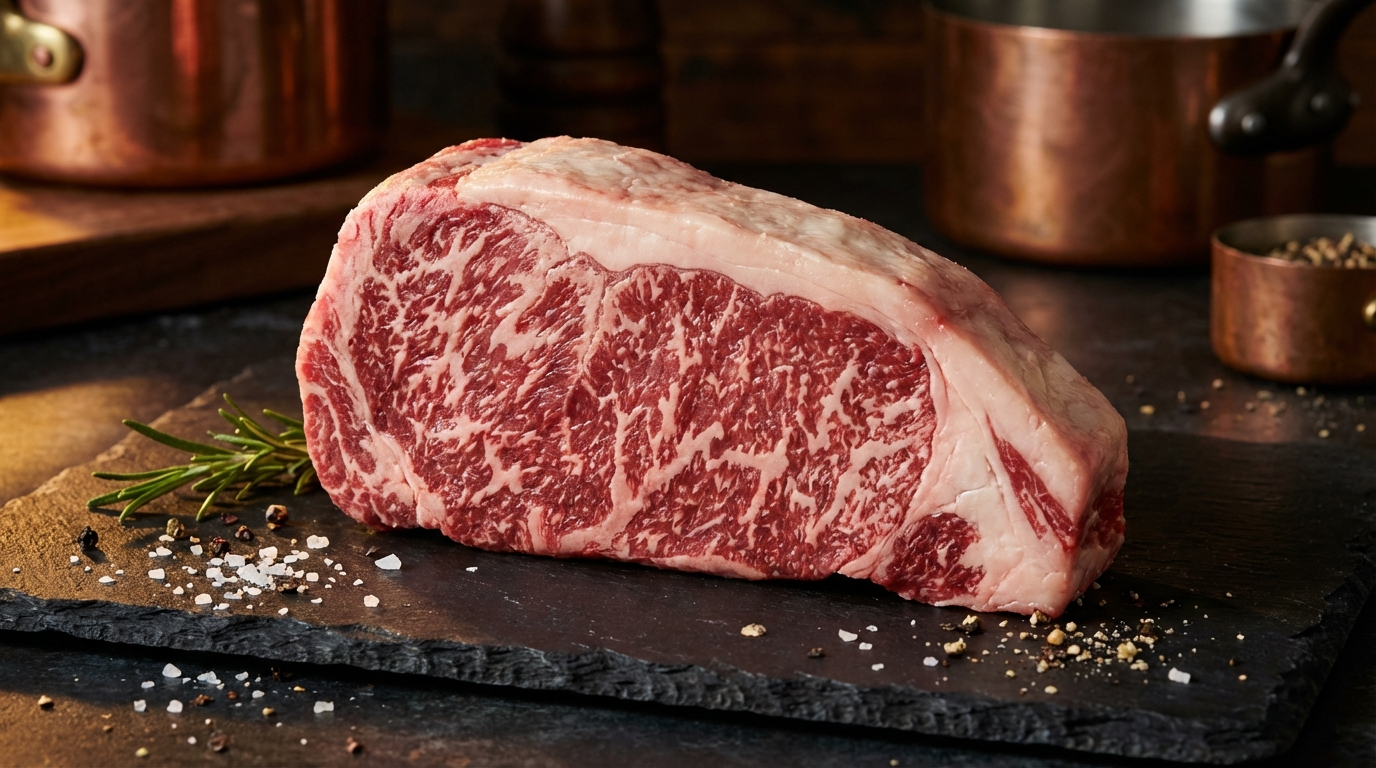
The New York strip is the same longissimus dorsi muscle as the ribeye eye, just cut from further back on the animal (the short loin). It's slightly less marbled than the ribeye, which gives it a firmer, more structured bite — still clearly tender, but with more "tooth" than the softer cuts above.
Strip steak devotees love this texture. There's a satisfying resistance when you bite in, followed by easy, clean chewing. It's tender, but it feels like steak in a way that filet mignon sometimes doesn't.
How to cook it: Hot grill is the strip's best friend. 4-5 minutes per side over direct high heat for a 1.25-inch steak. The lower fat content means fewer flare-ups than ribeye. Pull at 125°F for medium-rare.
Price: $14-$38/lb. Prime strip is one of the best values in premium beef — often costs less than Choice ribeye with better eating quality.
7. Denver Steak — The New Kid
The Denver steak is another chuck-primal gem, cut from the serratus ventralis muscle (under the shoulder blade). Like the flat iron, it was "discovered" by beef researchers looking for undervalued muscles with high tenderness potential. The Denver ranks fourth in the University of Nebraska's tenderness testing — right behind the teres major.
What makes the Denver special is its combination of tenderness and marbling. It has more intramuscular fat than most chuck cuts, giving it a richness that approaches ribeye territory. The flavor is deep and beefy, with a slightly firmer texture than the flat iron.
How to cook it: Grill or pan-sear to medium-rare. Don't go past medium — the leaner portions dry out. Slice against the grain for maximum tenderness.
Price: $10-$16/lb. Growing in popularity but still underpriced for what it delivers.
8. Top Sirloin Cap (Picanha)
The picanha (sirloin cap or coulotte) is the darling of Brazilian churrasco, and for good reason. This triangular muscle from the top of the sirloin has a thick fat cap on one side that bastes the meat during cooking. The muscle itself is moderately tender — not as soft as the loin cuts, but tender enough to eat as a steak when sliced properly.
Picanha's tenderness varies depending on how you cook it. Roasted whole with the fat cap and sliced thin against the grain, it's beautifully tender. Cut thick and served as individual steaks, it can have more chew. The fat cap is the key — it keeps the meat moist and adds richness that the relatively lean muscle needs.
How to cook it: Skewer C-shaped pieces for churrasco-style grilling, or roast the whole cap at high heat (450°F) until 130°F internal. Always slice against the grain.
Price: $10-$16/lb. Outstanding value for a cut that feels special.
9. Tri-Tip — The California Classic
The tri-tip (tensor fasciae latae) is a triangular muscle from the bottom sirloin that's enormously popular on the West Coast and virtually unknown everywhere else. It's moderately tender — tender enough to grill and slice, but not so tender that it lacks character. There's a pleasant chew that works beautifully with a smoky crust.
The challenge with tri-tip is that the grain direction changes across the roast, so you need to pay attention when slicing. Cut against the grain in each section and you'll get tender, juicy slices. Cut with the grain and it'll be noticeably chewy.
How to cook it: Reverse sear or smoke to 130°F internal, then sear over high heat. Rest 10 minutes. Slice thin against the grain. Santa Maria-style seasoning (salt, pepper, garlic powder) is the classic preparation.
Price: $8-$14/lb. An excellent roast for feeding a crowd.
10. Hanger Steak (Onglet) — The Butcher's Secret
The hanger steak hangs from the diaphragm — there's literally one per animal. Butchers used to keep this cut for themselves (hence "butcher's steak") because it's incredibly flavorful and reasonably tender, but there wasn't enough supply to sell it retail.
Hanger steak is tender in a specific way: the grain is loose and open, which means the muscle fibers separate easily when you chew. It's not soft like a filet — it has a distinct, almost coarse texture — but it breaks apart in your mouth with minimal effort. The flavor is intensely beefy, more concentrated than any cut above it on this list.
How to cook it: High heat, fast cook. Grill or pan-sear to medium-rare only — hanger toughens dramatically past medium. Slice thin against the grain. A simple chimichurri or shallot sauce is all it needs.
Price: $12-$18/lb. Supply is limited (one per animal) so prices are higher than they used to be.
Tender Beef Cuts Comparison Chart
| Rank | Cut | Tenderness | Flavor | Price Range | Best Method |
|---|---|---|---|---|---|
| 1 | Tenderloin / Filet Mignon | ★★★★★ | ★★★☆☆ | $35-$60/lb | Pan-sear + butter baste |
| 2 | Ribeye Cap (Spinalis) | ★★★★★ | ★★★★★ | $30-$50/lb | Reverse sear / pan-sear |
| 3 | Flat Iron | ★★★★☆ | ★★★★☆ | $8-$14/lb | Grill / pan-sear |
| 4 | Ribeye | ★★★★☆ | ★★★★★ | $16-$45/lb | Reverse sear |
| 5 | Teres Major (Petite Tender) | ★★★★☆ | ★★★★☆ | $8-$12/lb | Pan-sear |
| 6 | New York Strip | ★★★½☆ | ★★★★☆ | $14-$38/lb | Grill |
| 7 | Denver Steak | ★★★½☆ | ★★★★☆ | $10-$16/lb | Grill / pan-sear |
| 8 | Picanha (Sirloin Cap) | ★★★☆☆ | ★★★★☆ | $10-$16/lb | Churrasco / roast |
| 9 | Tri-Tip | ★★★☆☆ | ★★★½☆ | $8-$14/lb | Reverse sear / smoke |
| 10 | Hanger Steak | ★★★☆☆ | ★★★★★ | $12-$18/lb | Grill (high heat, fast) |
How USDA Grades Affect Tenderness
The USDA grading system has a direct impact on tenderness because it's based primarily on marbling — and marbling makes beef feel more tender. Here's how grade interacts with the cuts above:
Select grade: Minimum marbling. The naturally tender cuts (tenderloin, flat iron) still feel tender, but leaner cuts like strip and tri-tip will feel noticeably firmer. Not recommended for the lower-ranked cuts on this list.
Choice grade: Moderate marbling. This is the sweet spot for most of these cuts. A Choice ribeye or strip delivers excellent tenderness at a reasonable price. The marbling adds enough lubrication to make every cut on this list enjoyable.
Prime grade: Abundant marbling. At Prime grade, the marbling boost makes even the firmer cuts (strip, Denver, tri-tip) feel significantly more tender. A Prime strip can approach the tenderness of a Choice filet. If budget allows, Prime is always worth it for tender cuts.
Wagyu: The extreme marbling in American Wagyu and Japanese A5 Wagyu transforms the tenderness equation entirely. A wagyu strip steak has more marbling than a USDA Prime ribeye. Every cut becomes almost unbelievably tender at wagyu grades.
The Biggest Mistake People Make with Tender Cuts
I'll say it plainly: overcooking is the number one way people ruin tender beef.
Every cut on this list reaches its tenderness potential at medium-rare (130-135°F internal). As you cook beyond that, muscle fibers contract and squeeze out moisture. The marbling can compensate to a point — which is why a medium ribeye is still decent — but by the time you hit well-done, even a tenderloin feels like shoe leather.
Tender cuts are expensive because of their natural softness. Cooking them past medium defeats the entire purpose. You're paying for tenderness and then cooking it away. It's like buying a sports car and never driving over 25 mph.
My rule: The leaner the cut, the more important it is to cook it rare to medium-rare. Filet mignon at medium-well is a tragedy. Ribeye can handle medium because the fat keeps it moist. But for every cut on this list, medium-rare is the target.
Best Value Tender Cuts: Where to Spend Smart
You don't need to spend $50/lb to eat tender beef. Here are my top value picks from this list:
- Flat iron ($8-$14/lb) — Tenderloin-level tenderness at chuck prices. The single best value in tender beef.
- Teres major ($8-$12/lb) — If you can find it, it's basically a mini filet mignon for a third of the price.
- Tri-tip ($8-$14/lb) — Feeds 4-6 people from a single roast, tender when sliced properly.
- Denver steak ($10-$16/lb) — Great marbling, great tenderness, still flying under the radar.
Compare those to filet mignon at $35-$60/lb or ribeye cap at $30-$50/lb. You can eat tender beef every week if you know where to look. For premium options that showcase each cut at its best, explore The Meatery's beef collection.
The Butcher's Final Word
Tenderness is what most people are really buying when they spend money on steak. It's the quality that separates a $50 dinner from a $15 one. But here's what I've learned after three decades: the most expensive tender cut isn't always the best eating experience.
A flat iron at $10/lb, cooked to perfect medium-rare with nothing but salt and pepper, delivers more satisfaction than a filet mignon that someone overcooked and drowned in steak sauce. A petite tender that a smart shopper found at the butcher counter for $9/lb can rival cuts costing four times as much.
Know your cuts. Know your cooking temps. Don't overcook. And don't let price be the only measure of quality. The most tender beef cuts are all around you — some of them are just hiding in plain sight.
Frequently Asked Questions
What is the most tender cut of beef?
The tenderloin (filet mignon) is the most tender beef cut. The psoas major muscle does virtually no work during the animal's life, resulting in an incredibly soft, almost creamy texture. It can be cut with the side of a fork when cooked to medium-rare.
What is the second most tender beef cut?
The flat iron steak (from the infraspinatus muscle in the chuck) is the second most tender cut according to University of Nebraska research. It offers tenderloin-level tenderness at $8-$14/lb — a fraction of filet mignon's price. The ribeye cap (spinalis dorsi) is equally tender with far more flavor.
What are the best budget tender beef cuts?
Flat iron ($8-$14/lb), teres major/petite tender ($8-$12/lb), Denver steak ($10-$16/lb), and tri-tip ($8-$14/lb) are all naturally tender cuts that cost a fraction of premium loin and rib steaks. The flat iron is the standout — near-filet tenderness at chuck pricing.
Does USDA grade affect beef tenderness?
Yes. Higher USDA grades mean more intramuscular fat (marbling), which makes beef feel more tender by lubricating muscle fibers during cooking. A Prime strip steak can approach the tenderness of a Choice filet mignon. The grade effect is most noticeable in moderate-tenderness cuts like strip and sirloin.
What temperature makes beef most tender?
Medium-rare (130-135°F internal) is the ideal temperature for maximum tenderness in premium cuts. Beyond that, muscle fibers contract and squeeze out moisture. The leaner the cut, the more critical it is to avoid overcooking — filet mignon should never go past medium.
Is ribeye more tender than New York strip?
Yes, slightly. The ribeye has more intramuscular fat than the strip, which lubricates the muscle fibers and creates a softer mouthfeel. The ribeye also includes the ultra-tender spinalis cap. However, the difference is modest — both are premium tender cuts. Strip has a firmer, more structured bite that many steak lovers prefer.
More Expert Guides
What Is Chateaubriand? (Cut, Cooking, & Best Sources)
Chateaubriand is a thick-cut roast from the center of the beef tenderloin, traditionally served for two. Learn what makes this classic French cut special and how to cook it.
14 min readWhat Is Round Steak? The Complete Guide to Beef's Most Versatile Budget Cut
Round steak comes from the rear leg of the cow — it's lean, affordable, and misunderstood. A master butcher breaks down every sub-cut, cooking method, and technique to turn this budget workhorse into genuinely delicious meals.
14 min readWhat Is Eye of Round? The Complete Butcher's Guide to This Lean Cut
Eye of round is one of the leanest, most affordable cuts in the entire beef case — and one of the most misunderstood. A butcher explains how to turn this budget-friendly roast into something genuinely delicious.