Best Beef Cuts for Sous Vide: A Butcher's Ranked Guide
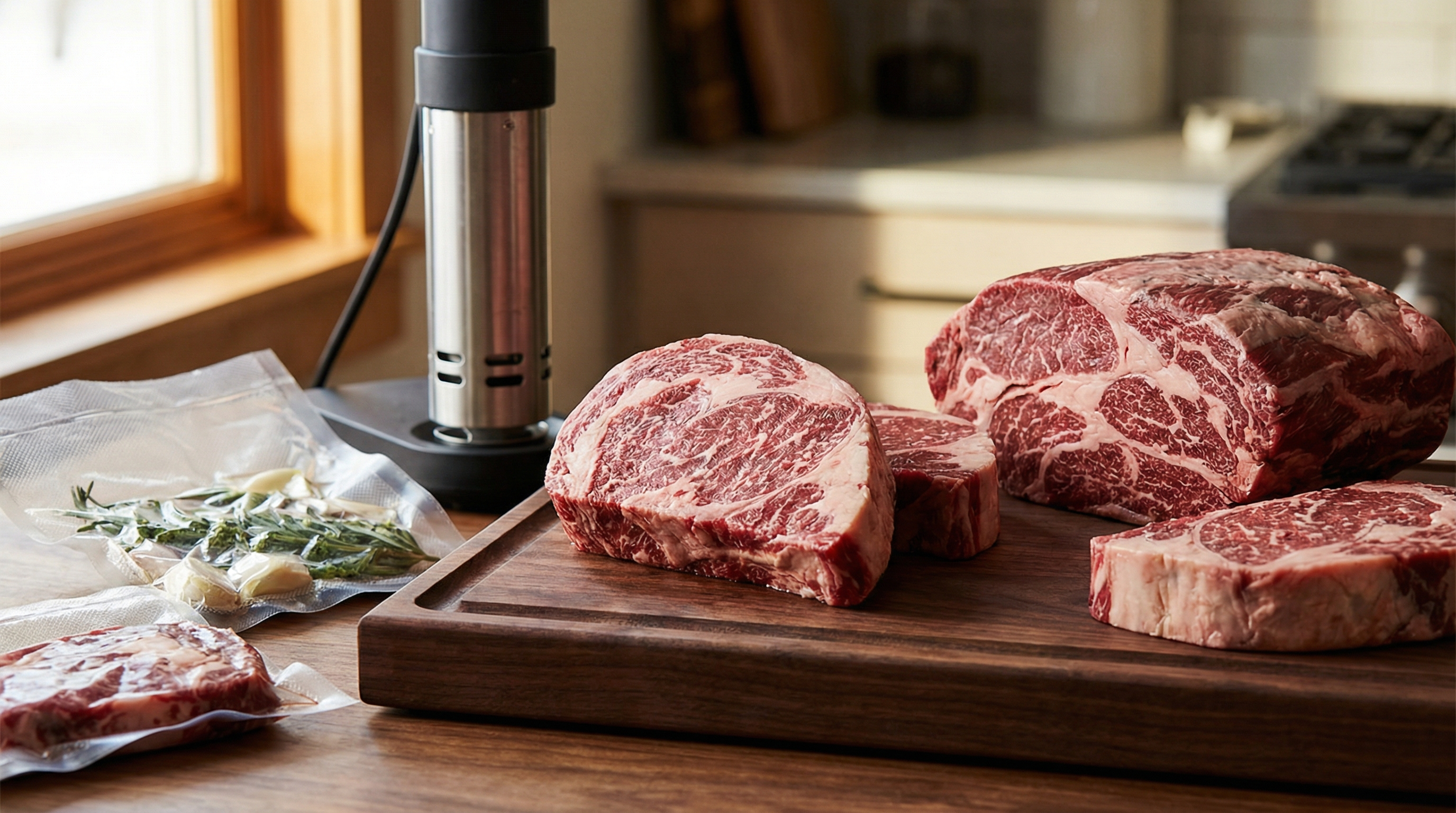
Sous vide changed the way I think about beef. After 35 years behind the butcher counter, I thought I understood every cut — what was tender, what was tough, what needed braising versus grilling. Then I started sealing cuts in bags and dropping them into precisely heated water, and everything I knew about "cheap" versus "expensive" cuts got turned sideways.
Here's the thing most people miss: sous vide doesn't just cook a steak evenly. It fundamentally changes the equation for tough, collagen-heavy cuts that traditionally required hours of braising. A chuck roast cooked at 135°F for 24 hours comes out medium-rare and fork-tender — something that's physically impossible with any other cooking method. That's not a marginal improvement. That's a new category of result.
This guide ranks every beef cut worth cooking sous vide, from the obvious winners to the sleepers that'll surprise you. I'll give you exact temperatures, times, and the finishing techniques that make the difference between good and extraordinary.
Why Sous Vide Works Differently for Beef
Before we rank cuts, you need to understand the science — because it explains why certain cuts that are mediocre on a grill become phenomenal in a water bath.
Traditional cooking methods create a temperature gradient. When you grill a steak, the exterior reaches 400°F+ while the center slowly climbs to your target temp. By the time the middle hits 130°F (medium-rare), the outer quarter-inch is well past 160°F. That gray band of overcooked meat is unavoidable with direct heat.
Sous vide eliminates the gradient entirely. The water bath holds a precise temperature — say 131°F — and the entire steak eventually reaches exactly 131°F from edge to edge. No gray band. No guesswork. Perfect consistency.
But the real magic is what happens with time. At traditional braising temperatures (200°F+), collagen converts to gelatin quickly — but the muscle fibers also contract and squeeze out moisture, which is why braised meat is tender but dry unless it's swimming in sauce. Sous vide works at much lower temperatures (131-155°F), where collagen still converts to gelatin — it just takes much longer. Given 24-48 hours at 135°F, the collagen in a tough chuck roast breaks down completely while the muscle fibers never contract enough to expel their juice. The result is medium-rare meat that's also fall-apart tender. That's the sous vide miracle.
This means the best sous vide cuts fall into two categories:
- Premium steaks that benefit from perfect edge-to-edge doneness (ribeye, strip, tenderloin)
- Tough, cheap cuts that benefit from extended low-temperature collagen conversion (chuck, short ribs, flank)
The second category is where sous vide really earns its keep. You're turning $6/lb cuts into something that rivals $30/lb steaks.
1. Ribeye — The Best Overall Steak for Sous Vide
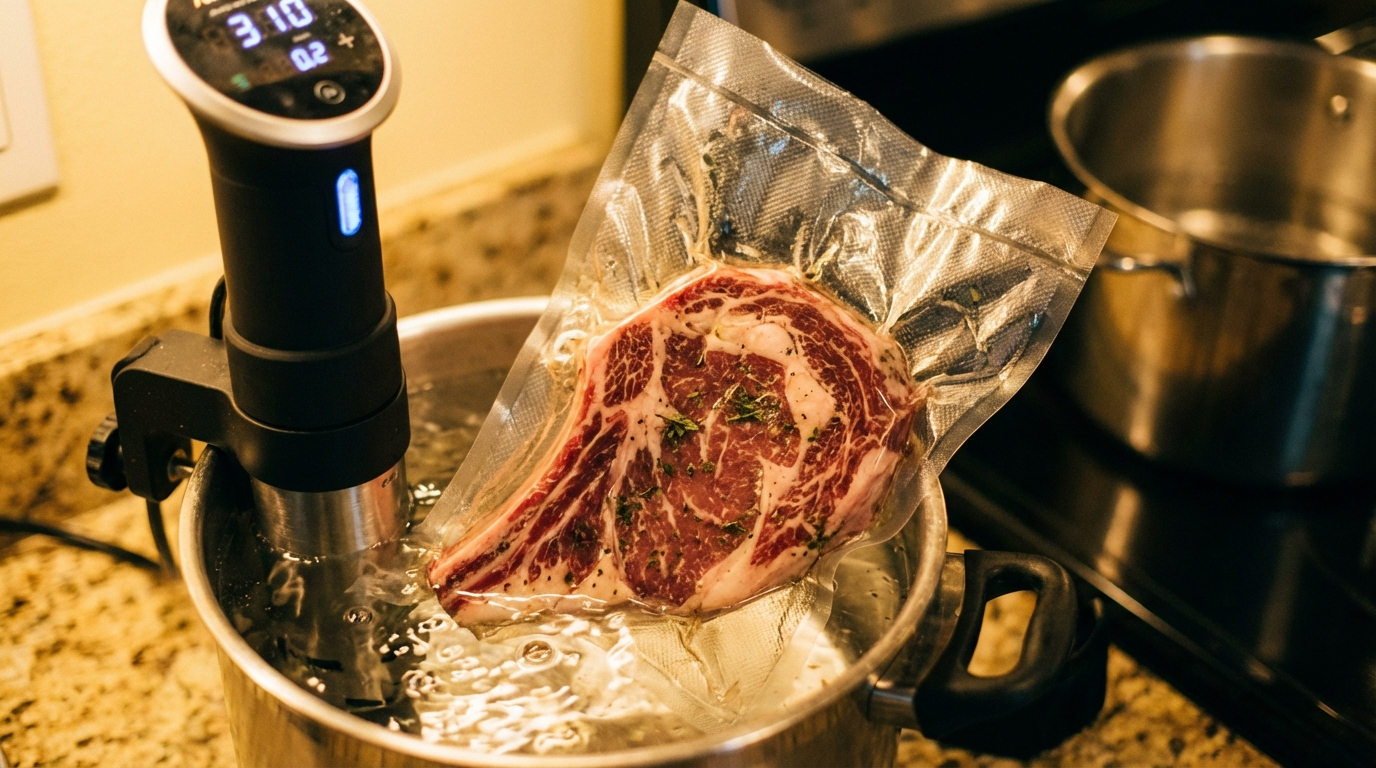
The ribeye is the single best steak you can cook sous vide, and it's not particularly close. Here's why: the ribeye's greatest asset — its abundant intramuscular fat — creates a specific problem on the grill. That fat needs to render (melt) to deliver its flavor, but if you cook the steak long enough to render the fat, you overshoot your target doneness. Sous vide solves this completely.
At 131-137°F for 2-3 hours, the ribeye's marbling has time to partially render and redistribute through the meat without overcooking. The result is a steak that's more flavorful and more tender than the same cut cooked on a grill. The fat cap and connective tissue around the spinalis (the cap) also soften perfectly.
After the water bath, you sear the steak in a ripping-hot cast iron skillet for 45-60 seconds per side. That's where you build the Maillard crust — the caramelized, savory exterior that sous vide alone can't create.
Ribeye Sous Vide Parameters
- Temperature: 131°F (medium-rare) to 137°F (medium)
- Time: 2-4 hours (bone-in needs the upper end)
- Thickness: 1.5 inches minimum — thicker cuts benefit more from sous vide's edge-to-edge precision
- Grade: USDA Choice minimum. Prime or American Wagyu is spectacular sous vide.
- Finish: Cast iron sear, 45-60 seconds per side in avocado oil or beef tallow at smoking point
- Pro tip: Pat the steak completely dry after removing from bag. Moisture is the enemy of a good sear.
2. Chuck Roast — The Sous Vide Miracle Cut
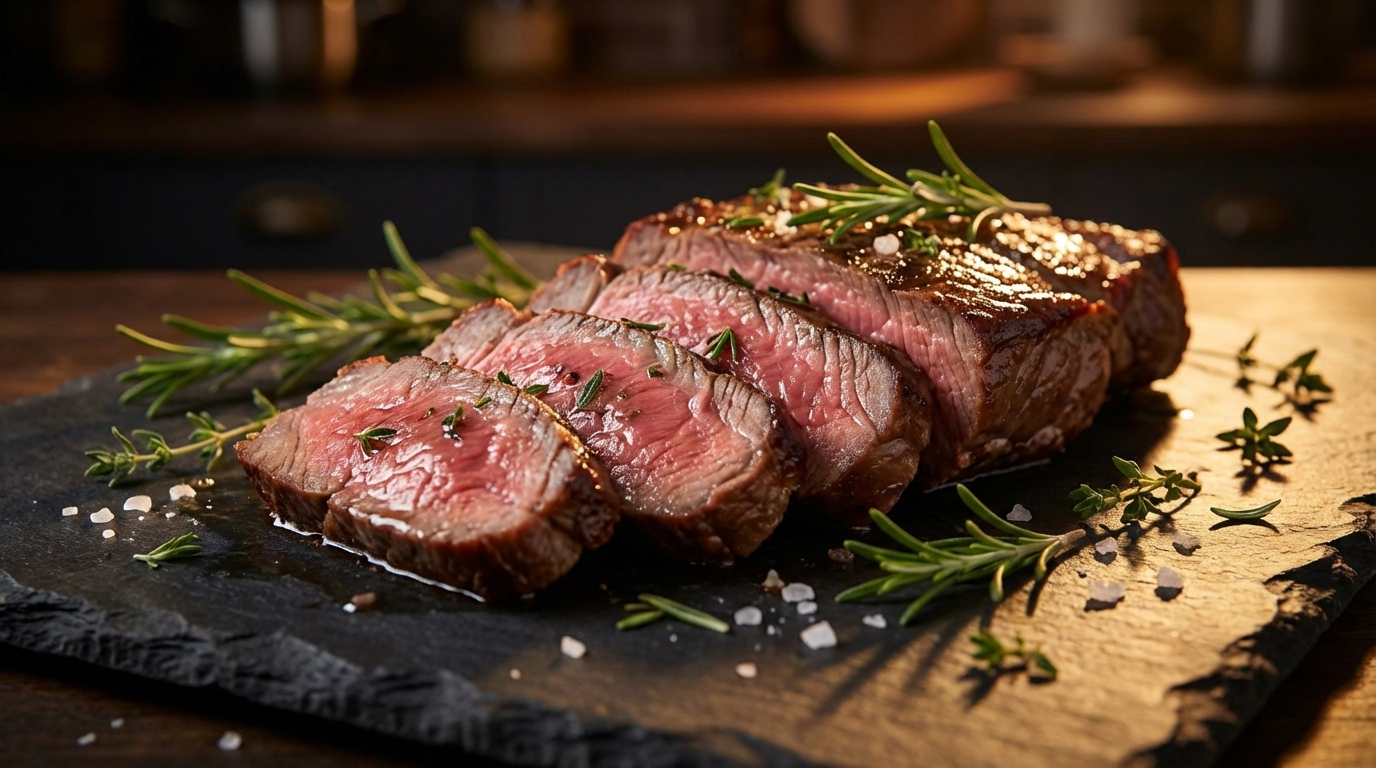
If there's one cut that justifies buying a sous vide circulator, it's the chuck roast. This is a $7-9/lb cut from the shoulder that's traditionally braised at high heat for hours, turning it tender but well-done and dry without liquid. Sous vide completely rewrites what's possible.
At 135°F for 24-36 hours, the collagen in a chuck roast fully converts to gelatin while the muscle fibers stay at medium-rare. You get the tenderness of a pot roast with the pinkness and juiciness of a prime steak. The first time you slice one open and see that edge-to-edge rosy interior on what's supposed to be a braising cut, it genuinely feels like cheating.
This is also the most economical sous vide cook you can do. A 3-4 lb chuck roast feeds four people generously and costs less than a single ribeye steak. The 24-hour cook time sounds intimidating, but it's entirely hands-off — you seal it, drop it in, and come back tomorrow.
Chuck Roast Sous Vide Parameters
- Temperature: 135°F (steak-like texture) to 155°F (traditional pot roast texture, still much juicier than braised)
- Time: 24-36 hours at 135°F; 18-24 hours at 155°F
- Size: 2-4 lbs. Larger roasts are fine — they just need more time to equilibrate
- Season before sealing: Salt, pepper, garlic, and fresh thyme in the bag
- Finish: Sear in cast iron with butter and aromatics, or slice and torch with a kitchen torch
- Pro tip: Save the bag juices. Reduce them in a pan with a splash of red wine for an incredible jus.
3. Beef Short Ribs — The Luxury Experience
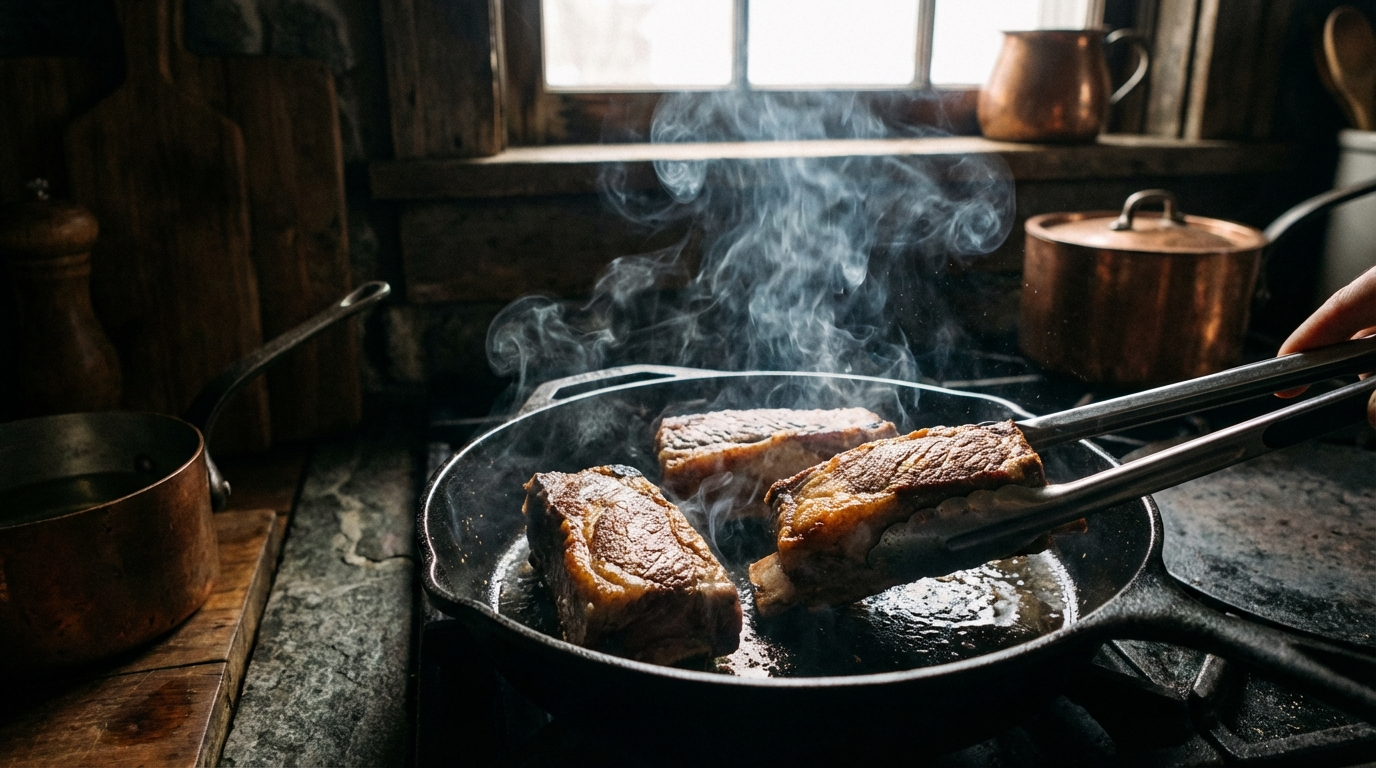
Bone-in beef short ribs are the most impressive thing you can serve from a sous vide setup. At fine dining restaurants, short ribs cooked sous vide for 48-72 hours are a $45-65 entrée. At home, they cost about $8/lb and the circulator does all the work.
Short ribs are loaded with connective tissue and intramuscular fat — exactly the qualities that make a cut thrive in low-temperature long cooking. At 135°F for 48-72 hours, those ribs transform into something almost obscene: medium-rare, fall-off-the-bone tender, with a richness that borders on decadent. The gelatin from the converted collagen gives the meat a silky, almost sticky texture that coats your mouth.
The extended time is non-negotiable here. At 24 hours, short ribs are good but still have chew. At 48 hours, they cross into exceptional territory. At 72 hours, they're restaurant-worthy. The meat won't overcook — that's the whole point of precise temperature control.
Short Ribs Sous Vide Parameters
- Temperature: 135°F (medium-rare, steak-like) to 155°F (more traditional braise texture)
- Time: 48-72 hours at 135°F; 24-48 hours at 155°F
- Type: English-cut (one bone per piece) or flanken-cut (across bones) both work. English-cut is more dramatic for plating.
- Grade: Choice or higher. The extra marbling in Prime short ribs is stunning after 48 hours.
- Finish: Sear aggressively in cast iron or with a torch. The bone side doesn't need searing.
- Pro tip: Cook a day ahead, chill in an ice bath, refrigerate, then sear from cold. The cold center gives you more searing time without overcooking.
4. Tri-Tip — The Underrated Sous Vide Star
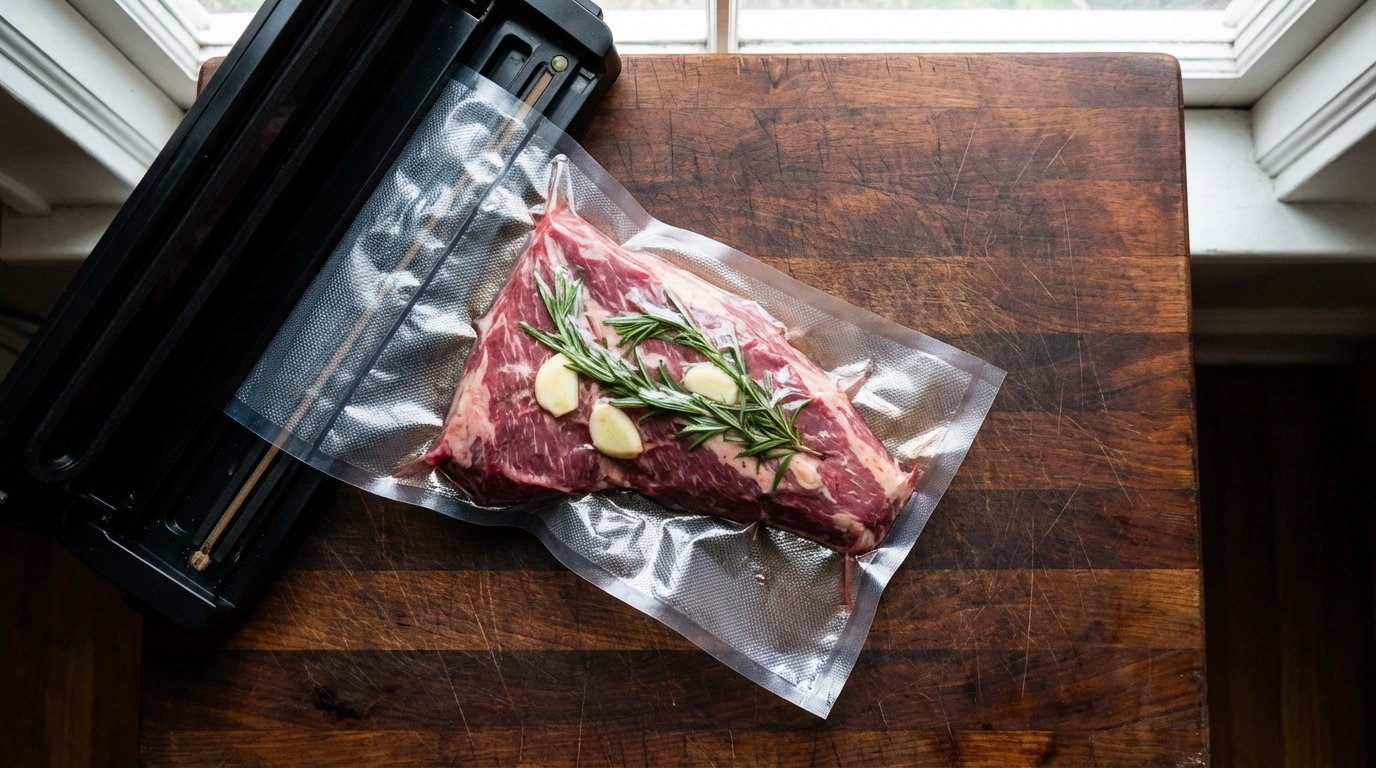
Tri-tip is a triangular muscle from the bottom sirloin that's beloved on the West Coast but underappreciated everywhere else. It has one frustrating characteristic: because it's triangular, the thin end overcooks long before the thick end reaches medium-rare. Every grilled tri-tip has a gradient from overcooked to perfect.
Sous vide eliminates this problem entirely. The whole roast reaches exactly the same temperature, point to point, regardless of thickness variation. After 4-6 hours at 131°F, the tri-tip is uniformly medium-rare throughout — something that's genuinely impossible to achieve with any direct-heat method.
The texture is remarkable too. Tri-tip has moderate collagen content that softens beautifully in the extended cook without the meat becoming mushy. It slices like a dream and has a beefy, slightly mineral flavor that rivals cuts costing twice as much.
Tri-Tip Sous Vide Parameters
- Temperature: 131°F (medium-rare) to 140°F (medium)
- Time: 4-6 hours (the triangle shape benefits from extra time for even equilibration)
- Weight: 2-3 lbs typical. One tri-tip feeds 3-4 people easily.
- Season aggressively: Tri-tip loves Santa Maria-style seasoning — garlic powder, onion powder, black pepper, paprika
- Finish: High-heat grill sear (preferred for smoke flavor) or cast iron. 90 seconds per side.
- Pro tip: Tri-tip has two different grain directions. Identify the grain before cooking and slice perpendicular to it for maximum tenderness.
5. Flank Steak — The Lean Performer
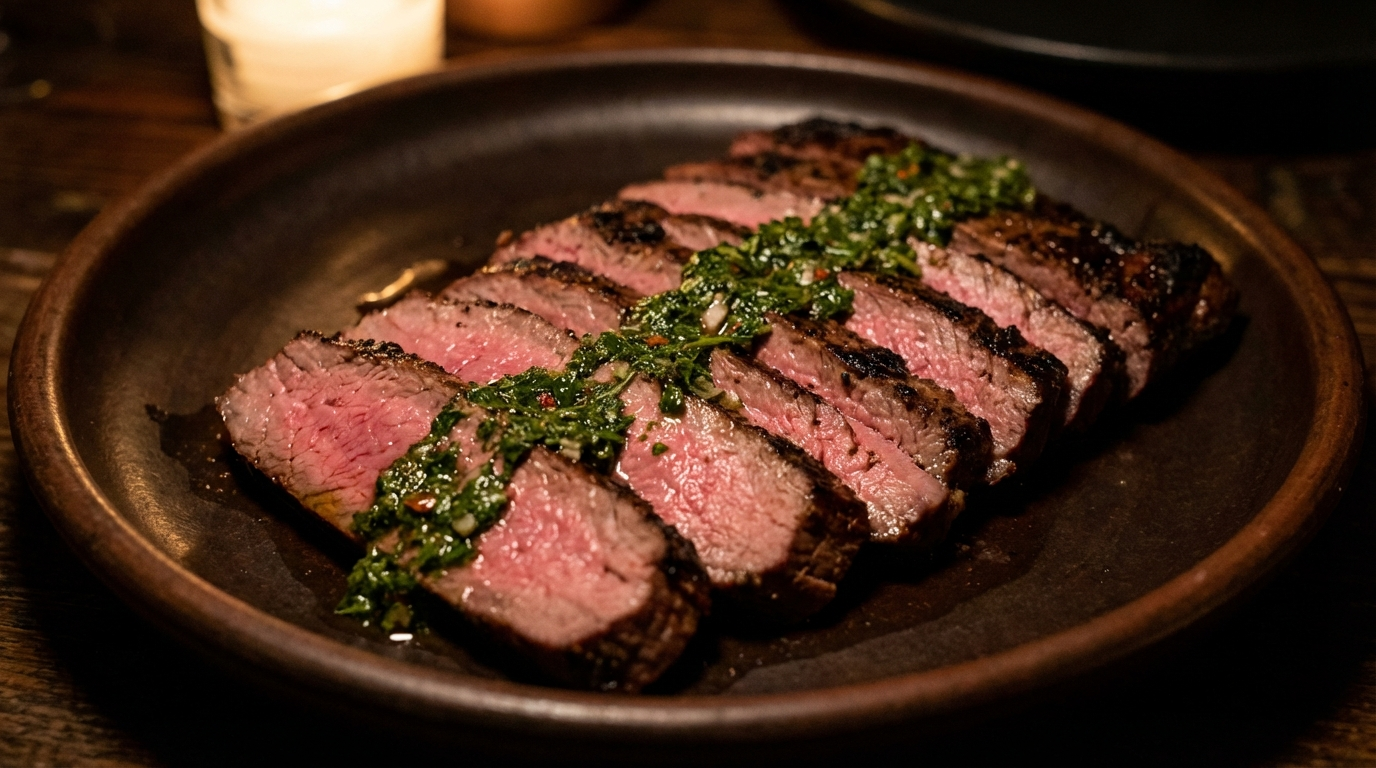
Flank steak is notoriously lean and notoriously tough if cooked wrong. On a grill, you have about a 15-degree window between "undercooked and chewy" and "overcooked and dry." Most people overshoot it, end up with gray boot leather, and swear off flank steak forever.
Sous vide makes flank steak nearly foolproof. At 131°F for 12-24 hours, the long connective tissue fibers that make flank tough soften dramatically while staying at a perfect medium-rare. The result is a lean, deeply beefy cut with legitimate tenderness — not the melt-in-your-mouth quality of a ribeye, but genuinely tender in a way that grilled flank rarely achieves.
Flank steak is also one of the most affordable cuts in the case, typically $8-11/lb. Combined with sous vide's ability to transform its texture, it's one of the best value propositions in beef.
Flank Steak Sous Vide Parameters
- Temperature: 131°F (medium-rare) — do not go higher, flank dries out fast above 140°F
- Time: 12-24 hours (shorter = more steak-like, longer = more tender)
- Prep: Season and seal flat — don't fold it in the bag
- Finish: Extremely hot sear, 30-45 seconds per side. Flank is thin, so prolonged searing overcooks the interior.
- Slicing: Always against the grain, thin bias cuts at a 45-degree angle
- Pro tip: Sous vide flank steak makes the best fajitas and steak salads you'll ever have. The uniform doneness means every slice is perfect.
6. Eye of Round — The Budget Hero
The eye of round is possibly the single greatest sous vide transformation in all of beef. This is a cut that butchers — including myself — have historically steered customers away from for anything except roast beef sandwiches. It's lean, it's tough, and it dries out on a grill faster than any other steak cut. Most cookbooks don't even list it as a grilling option.
But at 131°F for 24-30 hours, sous vide turns eye of round into something genuinely remarkable. The extended cook at low temperature breaks down the dense connective tissue while the lean muscle stays pink and juicy. The texture lands somewhere between a New York strip and a sirloin — not buttery, but satisfyingly tender with a clean, intense beef flavor.
At $5-7/lb, eye of round is among the cheapest cuts in the beef case. A 3-4 lb eye of round roast costs $15-25 and feeds a family of five. With sous vide, it delivers 80% of the eating experience of a cut costing four times as much.
Eye of Round Sous Vide Parameters
- Temperature: 131°F (medium-rare) — lean cuts must stay low or they dry out
- Time: 24-30 hours (this cut needs the full duration for collagen conversion)
- Size: 2-4 lb roasts work perfectly. The cylindrical shape cooks evenly.
- Season simply: Salt, pepper, garlic. The beef flavor is the star here.
- Finish: Quick sear in a ripping-hot pan or torch. Keep it under 60 seconds — there's no fat buffer.
- Pro tip: Slice paper-thin for roast beef sandwiches that rival any deli. Chill the roast first for cleaner slicing.
7. Tenderloin / Filet Mignon — The Safe Choice
The tenderloin is already the most tender cut on the animal, so you might wonder why it even needs sous vide. The answer: consistency and insurance. Filet mignon is expensive — $30-50/lb for Prime grade — and the margin for error on a grill is razor-thin. Overcook it by 10 degrees and you've ruined a $25 steak.
Sous vide makes filet mignon essentially foolproof. Set the bath to 130°F, drop in the sealed steaks, and they'll be perfect medium-rare whether you pull them at 2 hours or 4 hours. The window of perfection goes from 2 minutes on a grill to 2 hours in a water bath. For a cut this expensive, that peace of mind is worth the extra step.
That said, tenderloin doesn't transform with sous vide the way chuck or short ribs do. It's already tender — sous vide just makes it more consistent. If you're choosing one cut to cook sous vide tonight, the cuts ranked above this one offer more dramatic improvements.
Tenderloin Sous Vide Parameters
- Temperature: 130°F (rare) to 135°F (medium-rare) — tenderloin's delicate texture is best below 140°F
- Time: 1.5-3 hours (tenderloin has almost no connective tissue, so extended times add nothing)
- Thickness: 2 inches is the sweet spot for sous vide filets
- Grade: Prime or higher. Tenderloin is lean — you need the best marbling available.
- Finish: Butter-basted sear in cast iron, 45 seconds per side, basting continuously with thyme and garlic butter
- Pro tip: Wrap the filet in bacon before sealing to add fat the cut naturally lacks.
8. Top Sirloin — The Everyday Option
Top sirloin sits in an interesting middle ground: it's more flavorful than tenderloin, more affordable than ribeye, and leaner than both. It's the cut I recommend for people who cook sous vide every week and need something that's both delicious and budget-friendly.
Sous vide addresses top sirloin's main weakness — its tendency to be slightly chewy compared to premium cuts. At 131°F for 3-4 hours, the modest connective tissue softens enough to deliver a genuinely enjoyable steak. It won't have the buttery mouthfeel of a ribeye, but it has a clean, robust beef flavor that many people actually prefer.
At $9-14/lb, top sirloin costs about half what a ribeye does. For weekly sous vide cooking, that savings adds up fast without sacrificing much on the plate.
Top Sirloin Sous Vide Parameters
- Temperature: 131°F (medium-rare) to 137°F (medium)
- Time: 3-4 hours
- Thickness: 1.25-1.5 inches
- Grade: Choice or higher
- Finish: Hot cast iron sear with compound butter (blue cheese or herb butter works beautifully)
- Pro tip: If your sirloin has a fat cap, leave it on during cooking but sear fat-side down first.
Quick Reference: Sous Vide Temperatures and Times
Here's the complete reference chart for every cut ranked in this guide. Save this — it's the cheat sheet you'll use every time you cook.
| Cut | Temp (Medium-Rare) | Time | Cost/lb | Transformation Level |
|---|---|---|---|---|
| Ribeye | 131-137°F | 2-4 hrs | $16-28 | High |
| Chuck Roast | 135°F | 24-36 hrs | $7-9 | Extreme |
| Short Ribs | 135°F | 48-72 hrs | $8-14 | Extreme |
| Tri-Tip | 131°F | 4-6 hrs | $8-12 | High |
| Flank Steak | 131°F | 12-24 hrs | $8-11 | Very High |
| Eye of Round | 131°F | 24-30 hrs | $5-7 | Extreme |
| Tenderloin | 130-135°F | 1.5-3 hrs | $30-50 | Moderate |
| Top Sirloin | 131-137°F | 3-4 hrs | $9-14 | Moderate |
Essential Sous Vide Tips for Every Cut
Regardless of which cut you choose, these principles apply to every sous vide beef cook:
Season before sealing. Salt penetrates more effectively in the vacuum environment. Fresh herbs, garlic, and peppercorns work beautifully in the bag. Avoid dried powdered herbs — they can develop off flavors in extended cooks.
Don't skip the sear. Sous vide produces perfectly cooked meat with zero crust. The sear is where you build flavor through the Maillard reaction. Use the hottest pan you have — cast iron or carbon steel — and sear aggressively for 30-90 seconds per side. If the steak isn't sizzling violently, your pan isn't hot enough.
Dry the surface completely. After removing meat from the bag, pat it dry with paper towels. Moisture on the surface turns to steam during searing, which cools the pan and prevents browning. Some cooks go further and rest the meat on a wire rack in the fridge for 10-15 minutes before searing — the dry surface produces a dramatically better crust.
Use the bag juices. The liquid that accumulates in the bag during cooking is concentrated beef stock loaded with gelatin and flavor. Strain it, reduce it in a pan, and use it as a sauce base. Waste not.
Don't fear long cooks. With temperature-controlled cooking, you can't overcook in the traditional sense. A ribeye at 131°F for 3 hours tastes nearly identical to one at 131°F for 4 hours. The safety window is enormous compared to any other cooking method. For extended cooks (24+ hours), the texture does continue to change — meat gets progressively more tender — but it doesn't dry out or overcook in the way you're used to.
Ice bath for make-ahead. After cooking, plunge the sealed bag into an ice bath for 30 minutes, then refrigerate. When you're ready to serve, reheat at the original temperature for 30-45 minutes and sear. This make-ahead approach is how restaurants serve perfect sous vide steaks during dinner service, and it works just as well at home.
Frequently Asked Questions
What is the best cheap beef cut for sous vide?
Chuck roast is the best value for sous vide. At $7-9/lb cooked for 24-36 hours at 135°F, it produces medium-rare, fork-tender results that rival steaks costing 3-4 times as much. Eye of round at $5-7/lb is even cheaper and transforms similarly well.
How long can you leave beef in a sous vide bath?
For steaks (ribeye, sirloin, tenderloin), 1-4 hours is ideal. Beyond 4-5 hours, the texture becomes slightly mushy. For tough cuts (chuck, short ribs, flank), 24-72 hours is normal and necessary for collagen conversion. The meat won't overcook at the set temperature, but texture continues changing with time.
Do you need to sear meat after sous vide?
Technically no, but practically yes. Sous vide produces no Maillard browning — the caramelized crust that provides much of a steak's flavor and texture contrast. A 45-90 second sear in a ripping-hot cast iron pan adds the crust without overcooking the interior. Skip the sear only if you're shredding the meat for tacos or sandwiches.
Is sous vide beef safe to eat?
Yes, when following proper guidelines. Beef cooked at 130°F or above is pasteurized over time — the FDA recognizes time-temperature combinations for food safety. At 131°F, beef is pasteurized after approximately 2.5 hours for a 1.5-inch steak. For extended cooks (24+ hours), the food is well past pasteurization. Always start with fresh, properly refrigerated meat.
What temperature is best for sous vide steak?
For medium-rare, 131°F is the standard for most cuts. At this temperature, the meat stays pink throughout with a tender, juicy texture. For medium, try 137°F. For rare, 125°F (though this requires shorter cook times for food safety). Most butchers and chefs recommend 131°F as the sweet spot that balances flavor, texture, and safety.
More Expert Guides
What Is Chateaubriand? (Cut, Cooking, & Best Sources)
Chateaubriand is a thick-cut roast from the center of the beef tenderloin, traditionally served for two. Learn what makes this classic French cut special and how to cook it.
14 min readWhat Is Round Steak? The Complete Guide to Beef's Most Versatile Budget Cut
Round steak comes from the rear leg of the cow — it's lean, affordable, and misunderstood. A master butcher breaks down every sub-cut, cooking method, and technique to turn this budget workhorse into genuinely delicious meals.
14 min readWhat Is Eye of Round? The Complete Butcher's Guide to This Lean Cut
Eye of round is one of the leanest, most affordable cuts in the entire beef case — and one of the most misunderstood. A butcher explains how to turn this budget-friendly roast into something genuinely delicious.