Beef Cut Comparison Chart: A Butcher's Guide to Every Cut
Beef Cut Comparison Chart: A Butcher's Guide to Every Cut
I've been cutting beef for forty years, and I can tell you the biggest mistake people make at the meat counter is not knowing what they're buying. You walk in, see a chart or a label, and walk out with something that doesn't fit what you're planning to cook. That's money wasted and dinner ruined. This beef cut comparison chart breaks down every major cut you need to know—where it comes from on the cow, how tender it is, what it tastes like, and exactly how to cook it.
Whether you're a weekend griller, a home chef building your butchering skills, or just someone who wants to make better decisions at the meat counter, this guide is for you. I've included a detailed comparison table, organized cuts by category, and real-world tips for choosing the right cut for any occasion. No fluff, no fancy jargon—just practical knowledge from someone who's spent decades behind the counter.
The Beef Cut Comparison Chart at a Glance
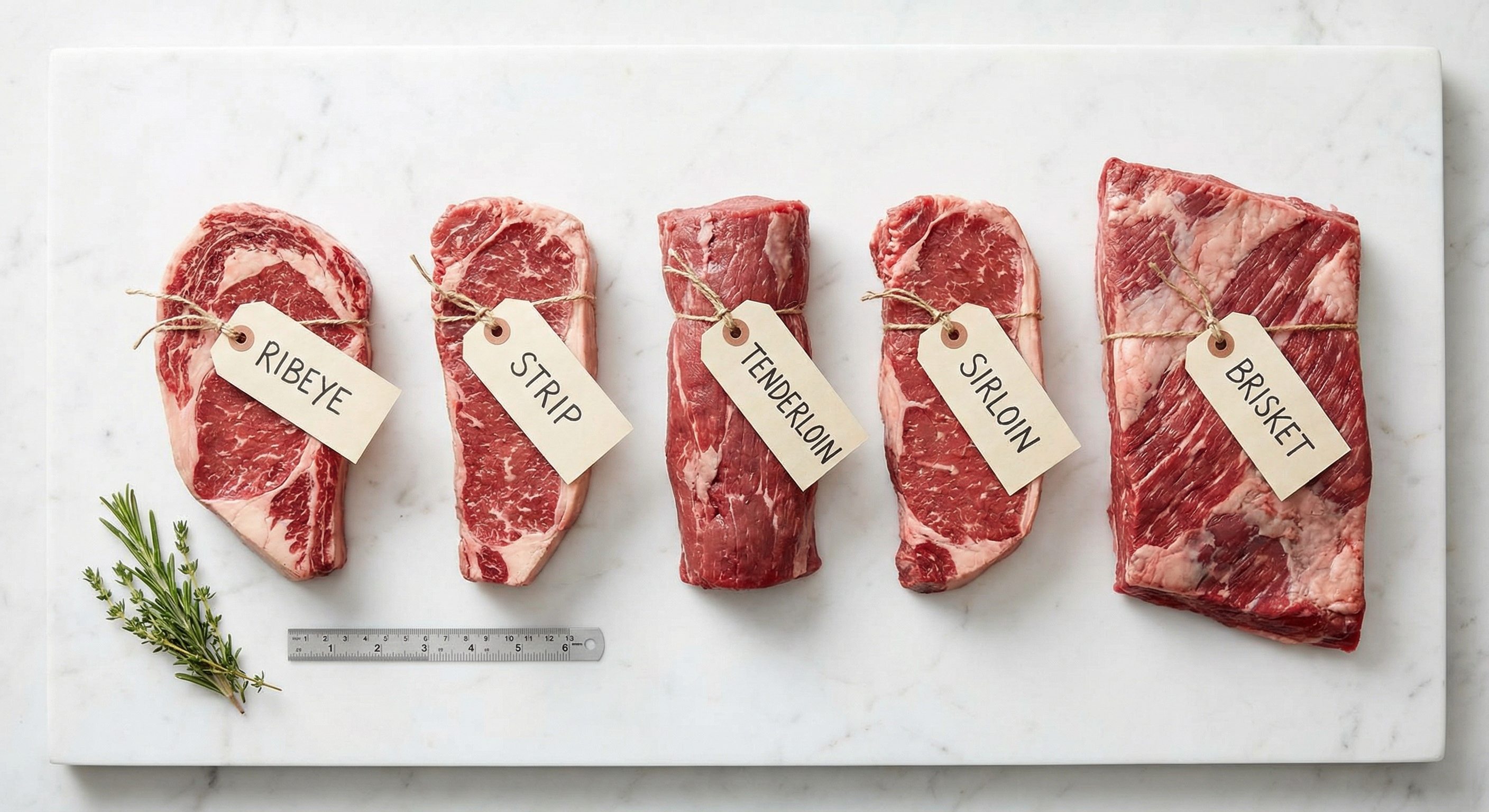
Before we dive into the details, here's the comprehensive beef cut comparison chart that breaks down all the cuts you'll encounter. I've included the cut's location on the cow, its tenderness and flavor ratings (1-10 scale), the best cooking methods, and the typical price range you'll see.
| Cut | Location on Cow | Tenderness (1-10) | Flavor (1-10) | Best Cooking Method | Price Range |
|---|---|---|---|---|---|
| Ribeye | Rib section (back) | 8 | 9 | Grilling, pan-searing, broiling | $16–$24/lb |
| New York Strip | Short loin (back) | 8 | 8 | Grilling, pan-searing, broiling | $15–$22/lb |
| Tenderloin (Filet) | Short loin (back) | 10 | 7 | Pan-searing, broiling, roasting | $24–$36/lb |
| T-Bone | Short loin (back) | 8 | 9 | Grilling, broiling, pan-searing | $18–$28/lb |
| Porterhouse | Short loin (back) | 8 | 9 | Grilling, broiling, pan-searing | $20–$32/lb |
| Sirloin | Hip/loin section (back) | 6 | 7 | Grilling, pan-searing, roasting | $10–$16/lb |
| Flank | Abdominal muscles (bottom) | 5 | 8 | Grilling, marinating, slicing against grain | $7–$12/lb |
| Skirt | Diaphragm muscles (inside) | 5 | 9 | Grilling, marinating, slicing against grain | $8–$14/lb |
| Brisket | Front lower chest | 4 | 8 | Low and slow smoking, braising, stewing | $6–$12/lb |
| Short Ribs | Front rib section (lower) | 5 | 9 | Braising, low and slow smoking, stewing | $8–$15/lb |
| Chuck | Shoulder/neck section | 4 | 8 | Braising, stewing, ground (burgers) | $5–$10/lb |
Premium Steaks: The Show Stoppers
Let me start with what most people think of when they hear "steak"—the premium cuts from the back of the animal. These are the ones that command top dollar at the butcher counter, and for good reason. They're tender, flavorful, and can go from counter to grill with minimal fuss.
Ribeye: The Marbled Beauty
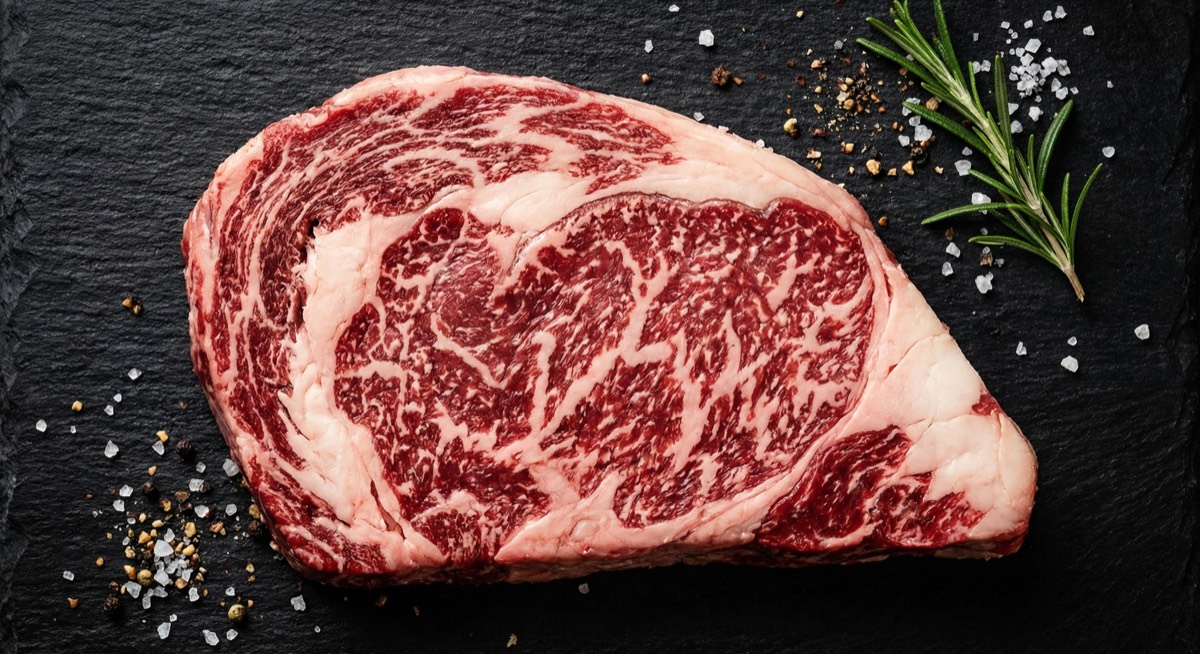
The ribeye is what I call the "forgiving" premium steak. It's got abundant marbling—that's the intramuscular fat running through the meat—which means you can't really mess it up. Even if you overcook it slightly, that fat keeps it juicy. It's tender (8/10), has excellent flavor (9/10), and works great for grilling, pan-searing, or broiling.
The ribeye comes from the rib section, that heavily exercised area on the back. That marbling comes from the cow being well-fed and the section not having to work too hard. For a home cook or someone learning to grill, the ribeye is your friend. You want a thickness of 1.5 to 2 inches minimum—thinner cuts lose moisture too quickly on high heat.
Price range: $16–$24 per pound depending on grade and where you're shopping. If you see ribeye for under $10, it's likely a lower grade or an older cut. At The Meatery, you'll find USDA Prime and high-quality Choice ribeyes that are worth the investment.
New York Strip: The Lean Choice
If ribeye is the forgiving steak, the New York strip is the athlete. It's lean, it's got a tight grain, and it demands a bit more attention. But it's got a cleaner beef flavor than ribeye—less fat, more of that rich, beefy taste.
The New York strip comes from the short loin, that area running along the back of the animal. It's got a strip of fat on one edge (that's where the name comes from), and the meat itself is relatively uniform. Tenderness sits at 8/10, flavor at 8/10. Not quite as forgiving as ribeye, but still excellent for grilling or pan-searing.
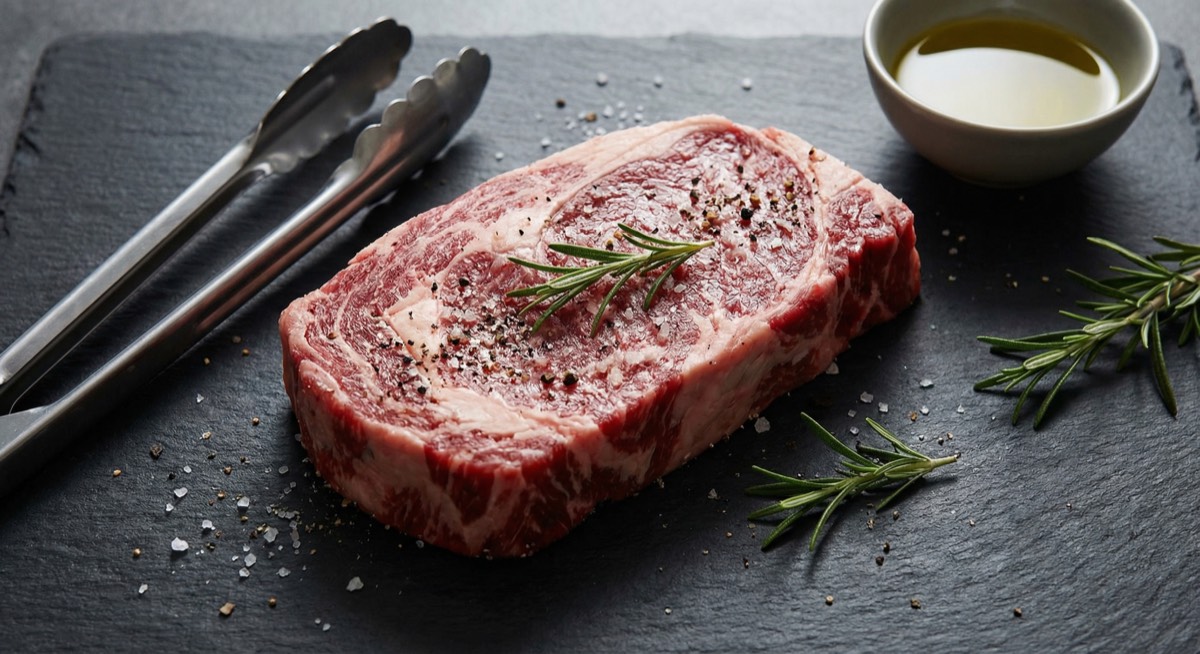
Cook it hot and fast, and don't go past medium-rare or you'll see it tighten up. This is the cut for someone who knows what they're doing—or wants to learn. Same thickness rule applies: 1.5 to 2 inches minimum.
Price range: $15–$22 per pound. You'll often see New York strip priced slightly lower than ribeye, but that's only because there's less fat to play with. The taste is every bit as good—just different.
Tenderloin (Filet Mignon): The Most Tender Cut
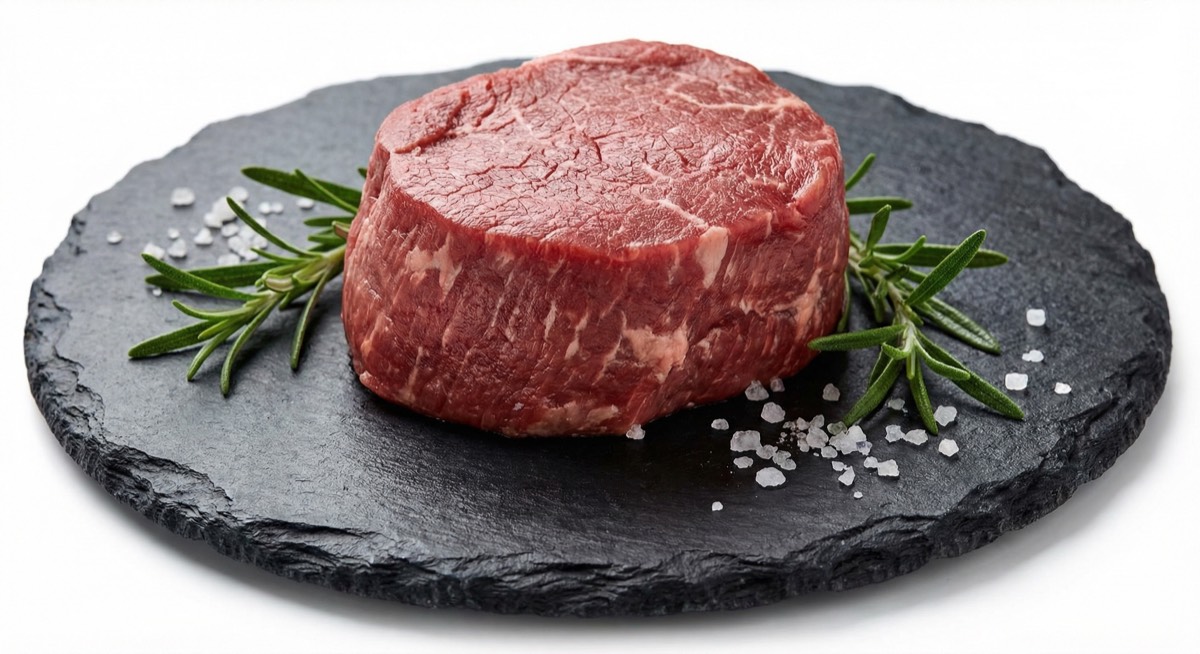
The tenderloin is the most tender cut of beef you can buy—a perfect 10 on the tenderness scale. It's the cut that barely needs your teeth. But here's the butcher's secret: it's not the most flavorful. That tenderness comes at a cost—minimal marbling, minimal muscle work, which means less developed flavor.
The tenderloin runs along the back of the short loin, and it's the muscle that does the least work on the cow. It's tender (10/10) but has a milder flavor (7/10). If you're serving someone with dental issues or you want that fall-apart texture, this is your cut.
Here's my pro tip: wrap it with bacon or top it with a compound butter to add fat and flavor. Or serve it with a rich sauce. The tenderloin is a blank canvas—it's not going to wow you with beef flavor on its own, but it's a luxurious eating experience.
Price range: $24–$36 per pound. Expensive, yes. But if you want the ultimate tender steak, this is it. Often sold as filet mignon when cut into individual steaks.
T-Bone and Porterhouse: Two Cuts, One Bone
The T-Bone and Porterhouse are technically the same cut—they sit right at the end of the short loin. The difference? A Porterhouse has more tenderloin attached to it, and by law, that tenderloin section needs to be at least 1.25 inches thick. Otherwise, it's called a T-Bone.
Think of these as two steaks in one. On one side of the bone, you've got strip steak. On the other, you've got tenderloin. Tenderness is 8/10, flavor is 9/10. Cook them over high heat—grilling or broiling works best—and you'll get a beautiful crust while keeping the inside pink and juicy.
These are show-off cuts. There's something impressive about serving a T-Bone or Porterhouse at the dinner table. The bone adds flavor as the meat cooks, and the visual presentation is hard to beat.
Price range: T-Bones run $18–$28 per pound, and Porterhouses $20–$32 per pound. You're paying for the presentation and the fact that you get two different textures and flavors from one cut.
Everyday Cuts: The Workhorses
Now let's talk about the cuts that show up on most family tables. These aren't as tender as the premium steaks, but they've got character, they're affordable, and when you cook them right, they're delicious.
Sirloin: The Budget-Friendly Steak
The sirloin comes from the hip and loin section—a large muscle that does a fair amount of work on the cow. It's less tender than the strip (6/10 vs. 8/10), but it's still steak-worthy, and the price is right.
Sirloin has decent flavor (7/10)—not as rich as ribeye, but it's got character. It's best cooked medium-rare to medium, and you can grill it, pan-sear it, or broil it. The key is not to overcook it. Go past medium and it tightens up.
I recommend sirloin for family weeknight dinners or when you're feeding a crowd and want to stretch your budget. It's also good for marinades if you're going to tenderize it a bit before cooking.
Price range: $10–$16 per pound. Budget-friendly without sacrificing taste.
Flank: The Flavor Bomb
Flank comes from the abdominal muscles of the cow—a heavily exercised part that develops intense, beefy flavor. It's lean, it's got character, and it's affordable. The downside? It's not tender unless you treat it right.
Here's how to work with flank: marinate it for 4-8 hours (acid helps break down the muscle fibers), grill or pan-sear it hot and fast, then slice it thin against the grain. Slice against the grain is the key—that short muscle fibers, and cutting perpendicular to them shortens them further, making the bite more tender.
Tenderness is 5/10, but the flavor is an 8/10. This is a cut for someone who understands that not every steak needs to be buttery-soft. Flank is often used for fajitas, salads, or stir-fries.
Price range: $7–$12 per pound. One of the best values in the butcher case.
Skirt: The Hidden Gem
Skirt is a cut from the diaphragm—the breathing muscle underneath the rib cage. It's thin, it's got a loose grain, and it's packed with flavor. Like flank, it's not naturally tender, but slice it right and it's fantastic.
Skirt has an amazing flavor (9/10)—some people say it rivals ribeye for pure taste. It's tender enough (5/10) if you marinate it briefly and cook it hot and fast. Again, slice against the grain.
This is the steak that smart butchers know about but don't advertise too heavily—if everyone knew how good it was, it would be more expensive. It's fantastic on the grill, and it takes marinades beautifully.
Price range: $8–$14 per pound. Still underpriced compared to the flavor you get.
Slow-Cook Cuts: The Patient Rewards
These cuts come from the hardest-working muscles on the cow. They're not tender when raw, but low-and-slow cooking transforms collagen into gelatin, making them incredibly tender and flavorful. These are the cuts for braises, stews, and smoking.
Brisket: The Smoker's Choice
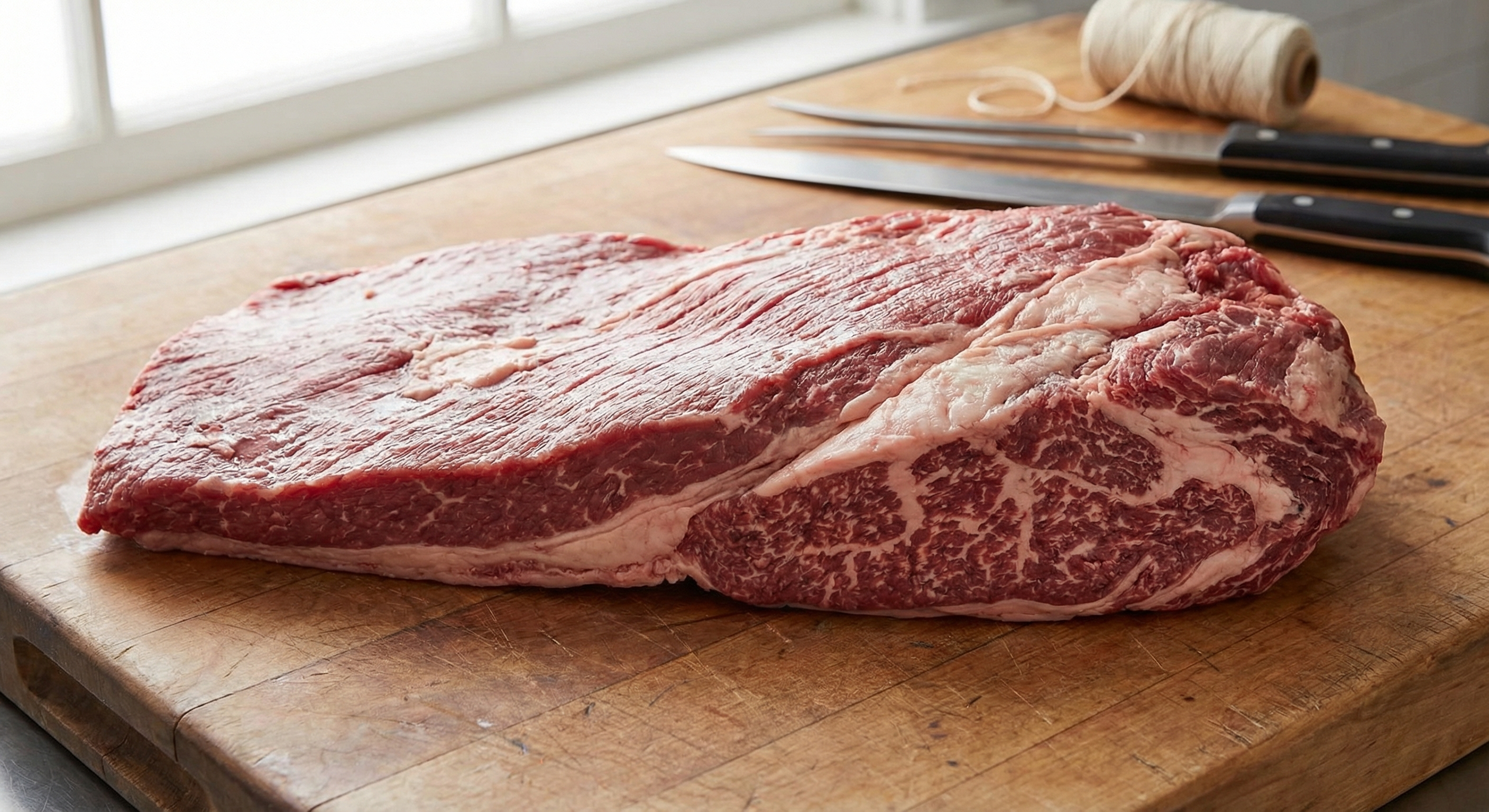
Brisket is the cut that built a nation of barbecue lovers. It comes from the front lower chest, and it's full of connective tissue and fat. That's not a downside—that's the whole point. That fat and collagen are what break down into gelatin and flavor after hours of smoking or braising.
Brisket is tough when raw (4/10 tenderness), but after 12-16 hours of smoking at 225–250°F, it's transformed into something incredible. It's got an 8/10 flavor and becomes as tender as butter.
The brisket is usually sold as a whole "packer" (12–18 pounds) with fat cap and point, or it's separated into the flat and point. For smoking, I prefer the whole packer—that fat cap protects the meat and bastes it as it renders.
Price range: $6–$12 per pound. The cheapest premium cut on the market, and it's worth every penny.
Short Ribs: The Meaty Marvel
Short ribs come from the front rib section (the lower ribs attached to the chuck). They're meaty, they're flavorful, and they're perfect for braising.
Each short rib has a large bone with meat clinging to it. When you braise them low and slow for 3–4 hours, that meat becomes incredibly tender and the braising liquid turns into liquid gold. They're tough raw (5/10), but the flavor is a 9/10, and after braising, they're as tender as can be.
Short ribs are often sold as a rack or as individual ribs. They work great for stewing, braising, or even smoking (though they require less time than brisket—6–8 hours at 225°F).
Price range: $8–$15 per pound. Sometimes sold by the pound, sometimes by the count. They're a luxury item for slow cooking.
Chuck: The Workhorse
Chuck comes from the shoulder and neck area—the hardest-working part of the cow. It's loaded with connective tissue and intramuscular fat, which means it's perfect for slow cooking or grinding.
Chuck is tough (4/10), but the flavor is deep and beefy (8/10). Braise it for a pot roast, stew it for chili, or grind it for burgers. In stews and braises, 2–3 hours of simmering transforms it into something incredible.
Chuck is also the backbone of good ground beef. If you're making burgers or meatballs and you want flavor and juiciness, chuck (mixed with a leaner cut for the right fat ratio) is the way to go.
Price range: $5–$10 per pound. The cheapest cut on this list and one of the most versatile.
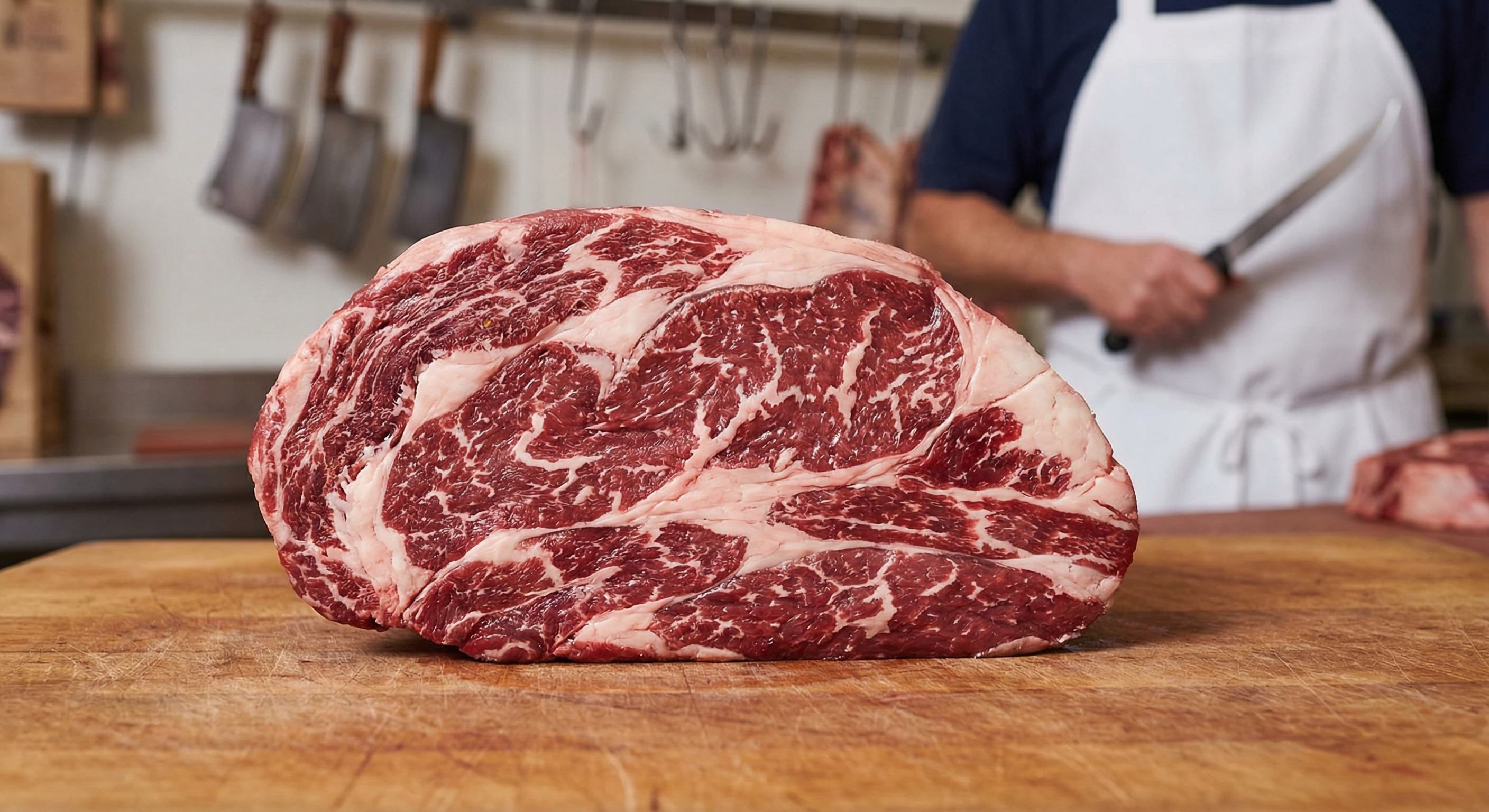
Choosing the Right Cut: A Butcher's Guide
Now that you know the cuts, let me share some real-world wisdom on how to choose the right one for what you're planning.
For Quick Grilling (30 Minutes or Less)
You want a naturally tender cut that you can cook hot and fast: ribeye, New York strip, T-Bone, Porterhouse, sirloin. These cuts have enough natural tenderness that they don't need long cooking times. Aim for 1.5–2 inches thick, and cook over high heat until medium-rare. Don't waste premium cuts on medium or well-done—you're just hiding the quality.
For Marinated and Grilled (4–8 Hours Prep)
Flank and skirt are your friends here. A good marinade (with acid and oil) will tenderize these cuts and enhance their flavor. Grill hot and fast, and slice against the grain. These cuts are also fantastic for fajitas, stir-fries, or salads.
For Smoking (12+ Hours)
Brisket is the king here. The long, low heat transforms that tough, fatty cut into something transcendent. Short ribs and chuck also work, but brisket is the classic for a reason.
For Braising (2–4 Hours)
Chuck, short ribs, and brisket all shine here. You're looking for cuts with connective tissue that breaks down into gelatin. The longer the braise, the more tender and flavorful the result. Pot roasts, stews, chili—this is comfort food.
For Special Occasions (When You Want to Impress)
Tenderloin (filet mignon) is the ultimate luxury—most tender cut on the cow. T-Bone or Porterhouse if you want drama and presentation. Ribeye if you want something that tastes amazing and is still forgiving to cook. All three will make a statement on the dinner table.
Pro Tips from the Butcher Counter
Thickness Matters
Don't buy thin steaks. Anything under 1 inch, and you're fighting to keep the inside juicy while the outside develops a crust. For premium steaks, aim for 1.5–2 inches minimum. Thicker steaks are more forgiving and cook more evenly.
Color is a Quality Indicator
Good beef should be deep red when fresh, not bright red (that's a color indicator they add) and not brown (that means it's old). The color darkens naturally as beef sits, so don't panic—but if it looks gray or brown in the package, pass on it.
Marbling Makes a Difference
Look for white lines of fat running through the meat—that's marbling. More marbling means more flavor and juiciness. USDA Prime has more marbling than Choice, which has more than Select. You get what you pay for.
Know Your Grades
USDA Prime (best), Choice (good), Select (decent budget option). Prime has the most marbling and highest flavor. If you're splurging on a special dinner, go Prime. For everyday cooking, Choice is a solid choice.
Buy From a Real Butcher When You Can
The supermarket meat counter is convenient, but a real butcher (like the folks at The Meatery) knows their products, can talk you through cuts, and can trim or customize for your needs. You'll pay a bit more, but you'll get better quality and better advice.
Rest Your Meat
After cooking a steak, let it rest for 5–10 minutes before cutting into it. The heat pushes moisture to the center of the meat, and resting lets it redistribute. Cut into a steak right off the grill and you'll see all that juice run out onto the plate instead of staying in your mouth.
Understanding Tenderness and Flavor: The Trade-Off
Here's something important: the most tender cuts aren't always the most flavorful, and vice versa. Understanding this will make you a smarter shopper.
The premium steaks from the back of the cow (ribeye, strip, tenderloin) are tender because those muscles don't work much. But because they don't work much, they don't develop as much flavor. That's why we add fat—the ribeye's marbling compensates for the milder muscle.
The cuts from hardworking muscles (flank, skirt, chuck, brisket) have intense flavor because of all that work, but they're tough because those muscles are dense with connective tissue. Low-and-slow cooking (or proper marinating and slicing) is what transforms them.
There's no "best" cut—there's only the right cut for what you're cooking and how much time you have. A ribeye on the grill is different from a brisket in the smoker, but both can be amazing.
Building Your Beef Knowledge: Related Guides
Want to dive deeper? Check out our related guides on meatcutguide.com:
- How to Choose Beef at the Butcher Counter — Learn the fundamentals of selecting quality beef
- Understanding USDA Beef Grades — Prime, Choice, and Select explained
- The Complete Guide to Grilling Steaks — Temperature, timing, and technique
- How to Smoke Brisket: A Complete Guide — From selection to the plate
- Beef Cuts by Cooking Method — Quick reference for planning meals
The Bottom Line
Every cut of beef has its place. The ribeye is for when you want maximum tenderness and flavor in one package. The New York strip is for the purist who wants clean beef taste. The tenderloin is for those special occasions when you want the most tender experience. The sirloin is for the family weeknight when you want steak without the premium price. And the slow-cook cuts—brisket, short ribs, chuck—are where the real magic happens, where time and heat transform tough into transcendent.
Now you've got a beef cut comparison chart that breaks down every major cut you'll encounter at the butcher counter. You know where each one comes from on the cow, how tender and flavorful it is, how to cook it, and what you should expect to pay. Use this knowledge the next time you're shopping. Pick the right cut for what you're cooking, and you'll get better results every single time.
And if you want to work with quality beef, check out The Meatery's full beef collection. They've got everything on this chart, and they know their stuff.
FAQ: Beef Cuts and Cooking
What's the difference between a T-Bone and a Porterhouse?
Both have a T-shaped bone with strip on one side and tenderloin on the other. The difference is size: a Porterhouse has a tenderloin section at least 1.25 inches thick; anything smaller is called a T-Bone. They cook the same way—high heat, fast sear.
Which cut is best for beginners?
Ribeye. It's forgiving because of its marbling. Even if you slightly overcook it, the fat keeps it juicy. It's hard to mess up. Get a 1.5–2 inch thick ribeye, season with salt and pepper, sear it in a hot pan or on the grill, and let it rest. That's it.
Can I substitute one cut for another?
Depends on your cooking method. If you're grilling: ribeye, strip, sirloin, T-Bone, and Porterhouse are interchangeable—just adjust cooking time. If you're braising: chuck, short ribs, and brisket are interchangeable. Don't put brisket on a grill and expect it to work like ribeye; the wrong cooking method wastes the cut.
What does "slice against the grain" mean, and why does it matter?
Meat fibers run in one direction (the grain). Slicing perpendicular to those fibers—against the grain—cuts the fibers short, making each bite more tender. With flank and skirt, this is essential. Look at the surface of the meat, identify which way the lines are running, and cut perpendicular to them. It makes a huge difference in tenderness.
How long should I rest a steak after cooking?
5–10 minutes minimum. The longer the steak, the longer you rest it: a thin 1-inch steak gets 5 minutes; a thick 2-inch steak gets 10 minutes. Cover loosely with foil to keep it warm. Resting lets the muscle fibers relax and the moisture redistribute, keeping your meat juicier. It's not optional—it's mandatory for a good steak.
Frequently Asked Questions
What's the difference between a T-Bone and a Porterhouse?
Both have a T-shaped bone with strip on one side and tenderloin on the other. The difference is size: a Porterhouse has a tenderloin section at least 1.25 inches thick; anything smaller is called a T-Bone. They cook the same way—high heat, fast sear.
Which cut is best for beginners?
Ribeye. It's forgiving because of its marbling. Even if you slightly overcook it, the fat keeps it juicy. It's hard to mess up. Get a 1.5–2 inch thick ribeye, season with salt and pepper, sear it in a hot pan or on the grill, and let it rest.
Can I substitute one cut for another?
Depends on your cooking method. If you're grilling: ribeye, strip, sirloin, T-Bone, and Porterhouse are interchangeable—just adjust cooking time. If you're braising: chuck, short ribs, and brisket are interchangeable. Don't put brisket on a grill and expect it to work like ribeye.
What does "slice against the grain" mean, and why does it matter?
Meat fibers run in one direction (the grain). Slicing perpendicular to those fibers—against the grain—cuts the fibers short, making each bite more tender. With flank and skirt, this is essential. Look at the surface of the meat, identify which way the lines are running, and cut perpendicular to them.
How long should I rest a steak after cooking?
5–10 minutes minimum. The thicker the steak, the longer you rest it. A 1-inch steak needs about 5 minutes; a 2-inch tomahawk needs 10–15. Resting allows the juices to redistribute throughout the meat. Cut too soon and those juices end up on your cutting board instead of in your mouth.
More Expert Guides
What Is Chateaubriand? (Cut, Cooking, & Best Sources)
Chateaubriand is a thick-cut roast from the center of the beef tenderloin, traditionally served for two. Learn what makes this classic French cut special and how to cook it.
14 min readWhat Is Round Steak? The Complete Guide to Beef's Most Versatile Budget Cut
Round steak comes from the rear leg of the cow — it's lean, affordable, and misunderstood. A master butcher breaks down every sub-cut, cooking method, and technique to turn this budget workhorse into genuinely delicious meals.
14 min readWhat Is Eye of Round? The Complete Butcher's Guide to This Lean Cut
Eye of round is one of the leanest, most affordable cuts in the entire beef case — and one of the most misunderstood. A butcher explains how to turn this budget-friendly roast into something genuinely delicious.