Why Butchers Wince When You Say "Well Done" (But We'll Still Sell It to You)
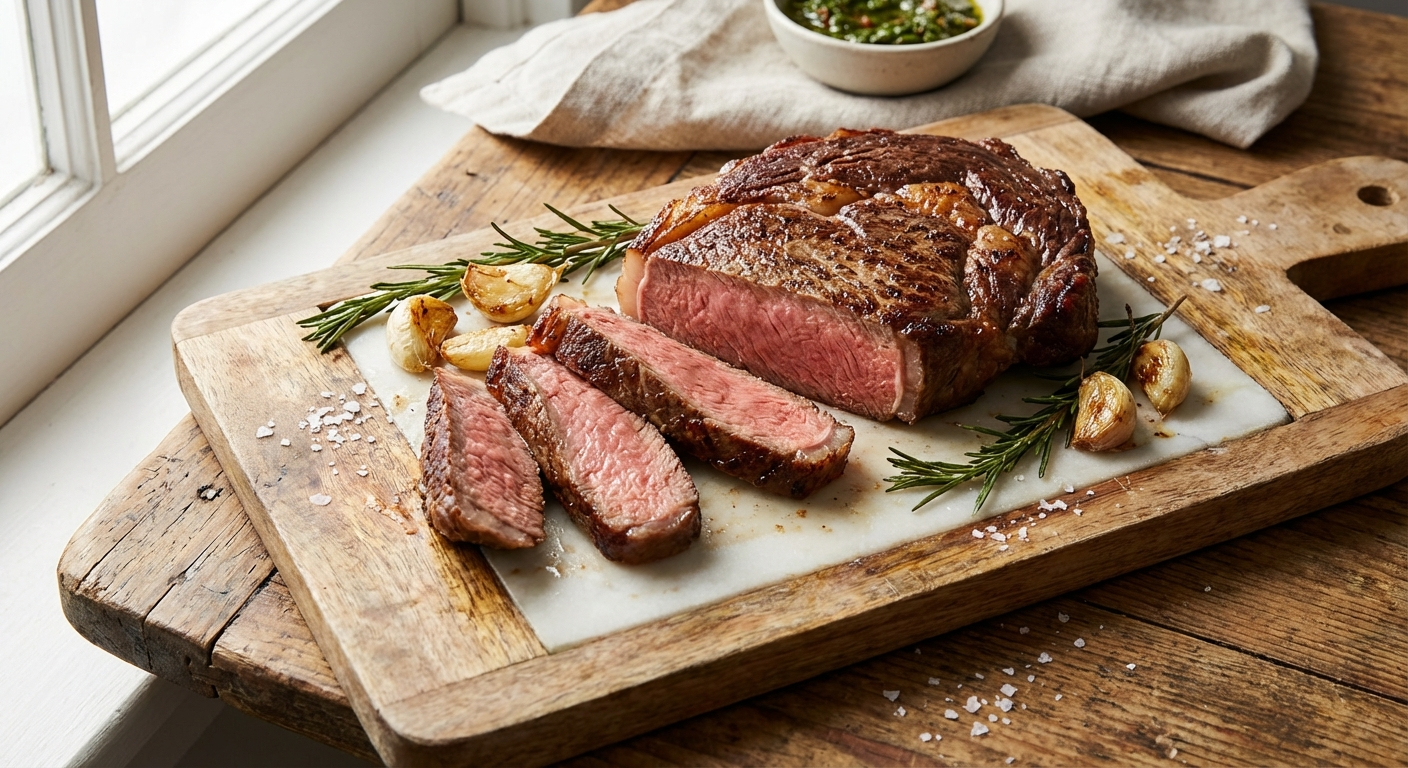
I need to get something off my chest: I've been selling meat for 40 years, and the question "well done, please" still makes me flinch a little. Not because I'm a snob — I'll sell you whatever you want and smile doing it — but because I know what's about to happen to that beautiful piece of beef, and it makes the butcher in me a little sad.
But this isn't a lecture. It's an explanation. And at the end, I'll tell you how to make well-done steak actually good — because if that's what you prefer, you deserve to eat well too.
What Happens Past 160°F
Here's the science. When you cook beef past 160°F internal temperature:
- Moisture loss accelerates dramatically. Between 120°F and 160°F, a steak loses about 15-20% of its moisture. Past 160°F, it can lose 25-30%+. That moisture is flavor and juiciness leaving the meat permanently.
- Marbling renders out. The intramuscular fat that makes beef taste beefy melts and drains away. At medium-rare, it's still in the meat, lubricating every bite. At well done, much of it has left the building.
- Proteins tighten. Muscle fibers contract and squeeze out remaining liquid. The meat becomes denser and firmer — sometimes approaching a rubbery texture in lean cuts.
- Flavor compounds change. Some of the volatile compounds that create "beefy" flavor are lost at higher temperatures. The flavor becomes more uniform and less complex.
This is why a well-done Select sirloin is genuinely unpleasant — there was barely any fat to begin with, and now most of the moisture is gone too. There's simply nothing left to make it enjoyable.
Why Many People Prefer Well Done
I'm not going to pretend that everyone who eats well done is wrong. People have legitimate reasons:
- Food safety anxiety: Some people were taught that pink meat is dangerous. For ground beef, there's some logic to this (surface bacteria gets mixed throughout). For whole-muscle steaks, the interior is sterile — only the surface needs to reach bacteria-killing temperatures, which happens with any searing method.
- Texture preference: Some people genuinely dislike the softer, "slippery" texture of rare or medium-rare meat. This is a real sensory preference, not a moral failing.
- Cultural background: Many cuisines and food traditions cook beef thoroughly. If you grew up eating beef well done, that's your baseline for "how beef should taste."
- Pregnancy or immune considerations: Doctors sometimes recommend avoiding undercooked meat for pregnant women and immunocompromised individuals. A reasonable precaution.
How to Make Well Done Actually Good
If you're committed to well done, here's how to make it the best it can be:
1. Buy the Fattiest Cut You Can Afford
Prime ribeye is your best friend. The heavy marbling acts as insurance — even at well done, there's enough fat to maintain some juiciness and flavor. A well-done Prime ribeye is genuinely edible. A well-done Select top round is shoe leather.
2. Use Lower Heat
Instead of high-heat searing (which overcooks the outside before the center finishes), try the reverse sear: cook in a 250°F oven until 150°F internal, then sear briefly for crust. This gives you more even doneness throughout instead of a charred exterior and barely-done center.
3. Add Fat Back
Compound butter (butter mixed with herbs and garlic) melted on top of a well-done steak adds back some of the moisture and richness that cooking removed. A good sauce — peppercorn, mushroom, béarnaise — does the same thing.
4. Don't Apologize
It's your steak. You paid for it. Eat it how you like it. A good butcher will sell you the right cut for your preference and help you get the best possible result — not judge you for your temperature choice.
My Honest Take
Would I prefer you tried medium? Yes. At medium (140-145°F), you still get a pink center with rendered fat, developed flavor, and enough moisture to make the steak sing. It's a compromise that gives you cooked-through confidence without the moisture loss of well done.
But if well done is your thing, buy Prime, cook it gently, and add a great sauce. You'll eat better than most people who order medium-rare and then cook it on a cold pan with no thermometer.
At the end of the day, the best steak is the one you enjoy eating. I just want to make sure you have the information to enjoy it as much as possible.
More from the Blog
5 Mistakes I See Home Cooks Make with Steak
After decades of hearing customers describe their steak disasters, these are the five mistakes that come up over and over — and they're all easy to fix.
What to Ask Your Butcher (And Why You Should)
Your butcher knows things the label doesn't tell you. Here's how to ask the right questions and get the best meat for your money.
Steak Doneness: A Butcher's Temperature Guide
The definitive temperature guide for steak doneness, including the often-overlooked pull temperatures and why carryover cooking changes everything.
5 Meat Storage Myths That Are Ruining Your Beef (And How to Store It Properly)
After 40 years of seeing customers lose good meat to bad storage, here are the 5 biggest storage myths that are costing you money and ruining your beef.
The Butcher's Guide to Seasoning Beef: Salt, Pepper, and What Actually Matters
After 40 years of watching customers overcomplicate seasoning, here's the truth about what actually matters when seasoning beef.
The 7 Best Cheap Cuts of Beef That Eat Like Expensive Ones
You don't need to spend ribeye money to eat like royalty. A veteran butcher shares seven affordable cuts that punch way above their price point.
Is Grocery Store "Wagyu" Real? A Butcher Investigates
Wagyu has invaded grocery stores at surprisingly low prices. A veteran butcher explains what you're actually buying and whether it's worth your money.
How to Store Meat Properly: A Butcher's Complete Guide
Proper storage is the difference between great meat and wasted money. A veteran butcher covers refrigerating, freezing, thawing, and knowing when meat has gone bad.
Dry-Aged vs Wet-Aged Beef: What's the Real Difference?
Dry aging and wet aging both improve beef, but they produce fundamentally different results. A veteran butcher explains the science and helps you choose.
Why Grass-Fed Beef Isn't Always Better
Grass-fed has become a marketing magic word. But after four decades of cutting and eating both, I can tell you the reality is more complicated than the label.