The Butcher's Guide to Seasoning Beef: Salt, Pepper, and What Actually Matters
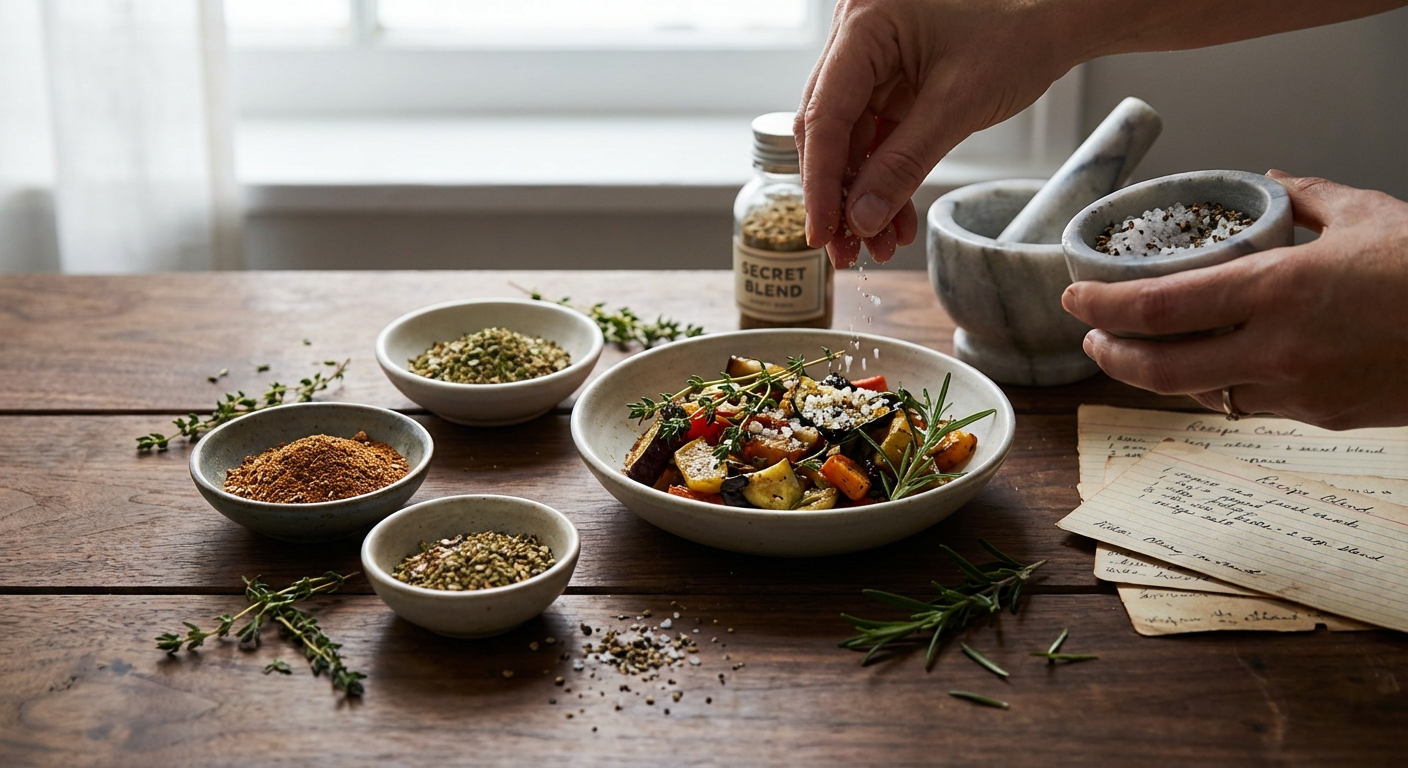
Every week, someone walks into my shop with a beautiful steak and asks for "the secret seasoning blend." I tell them salt and pepper, and they look disappointed. They want complexity. They want a magic formula. They want something that will make their steak taste like it came from a $40-per-plate restaurant.
Here's the secret: the beef is already the star. Your seasoning should enhance, not mask, the flavor of good meat. After 40 years behind the counter, I can tell you exactly what matters and what doesn't.
The Holy Trinity: Salt, Heat, Rest
Before we talk about fancy seasonings, let's establish the fundamentals:
- Salt — enhances every other flavor compound in the meat
- Heat — creates the Maillard reaction that produces complex flavor compounds
- Rest — allows juices to redistribute throughout the meat
Master these three things, and your steak will be better than 90% of what's served in restaurants. Fancy seasonings are just the cherry on top.
The Salt Question: Timing Matters
There are two schools of thought: salt right before cooking, or salt hours before. Both work, but they work differently.
Salt Right Before Cooking:
Draws moisture to the surface, which you then pat dry. This ensures a dry surface for optimal browning. Good for when you're cooking immediately.
Salt 45 Minutes to Overnight Before:
The salt draws out moisture, which dissolves in the salt, then gets reabsorbed by the meat. This seasons the meat throughout and firms up the surface for better browning. The surface dries out, which is perfect for searing.
I prefer the overnight method for thick steaks. For quick weeknight cooking, I salt right before and pat dry.
Pepper: More Than Just Heat
Black pepper isn't just about heat — it adds earthy, floral, and slightly bitter notes that complement beef beautifully. Use coarse cracked black pepper, not fine powder. The larger crystals provide bursts of flavor.
When to add? I season with pepper right before cooking. If you add it too early, the volatile oils that give pepper its flavor dissipate.
Simple Seasoning vs Complex Rubs
For high-quality steaks (Prime or upper Choice), I recommend simple seasoning: kosher salt and coarse black pepper. The meat has enough flavor complexity on its own.
For leaner cuts or when grilling, a simple rub works well:
- Kosher salt (50%)
- Coarse black pepper (25%)
- Garlic powder (15%)
- Onion powder (10%)
That's it. No exotic spices, no secret blends. This rub enhances the beef without masking it.
What About Marinades?
Marinades work differently than dry rubs. Acids (vinegar, citrus) and enzymes (pineapple, papaya) can actually break down meat proteins, which changes the texture. This can be good or bad depending on the cut.
Good for: Flank steak, skirt steak, and other lean cuts with pronounced grain. The marinade can help tenderize and add flavor to lean meat.
Bad for: Premium steaks like ribeye or tenderloin. You're diluting the beef flavor with other flavors, and the acid can make the surface mushy if left too long.
If you do marinate, 2-4 hours maximum for most cuts. Overnight is too long for tender cuts.
The Fat Factor
Remember, most of the flavor in well-marbled beef comes from the fat. When you're dealing with a Prime ribeye, you're eating intramuscular fat that's been flavoring the meat from the inside out. Heavy seasoning can actually mask this natural flavor.
This is why I prefer simple seasoning on high-grade steaks. Let the beef speak for itself.
Temperature and Seasoning
Cold meat doesn't absorb flavors as well as warm meat. If you've salted ahead of time and the meat has been in the fridge, let it come to near-room temperature before cooking. This helps the seasoning penetrate and the flavors meld.
Finishing Touches
After cooking, consider a finishing touch:
- High-quality flaky sea salt (like Maldon) — adds textural contrast
- Fresh cracked pepper — adds volatile oils that weren't heated
- Compound butter — herb butter melting into the warm steak
- A splash of good olive oil or finishing oil
These go on after cooking, so the flavors remain bright and distinct.
The Bottom Line
Good beef doesn't need to be fixed. It needs to be respected. Start with quality meat, season simply, cook with proper technique, and you'll have a better steak than most restaurants serve.
Save the complex seasonings for when you're working with less expensive cuts that benefit from flavor enhancement. For premium beef, simplicity wins.
More from the Blog
5 Mistakes I See Home Cooks Make with Steak
After decades of hearing customers describe their steak disasters, these are the five mistakes that come up over and over — and they're all easy to fix.
What to Ask Your Butcher (And Why You Should)
Your butcher knows things the label doesn't tell you. Here's how to ask the right questions and get the best meat for your money.
Steak Doneness: A Butcher's Temperature Guide
The definitive temperature guide for steak doneness, including the often-overlooked pull temperatures and why carryover cooking changes everything.
5 Meat Storage Myths That Are Ruining Your Beef (And How to Store It Properly)
After 40 years of seeing customers lose good meat to bad storage, here are the 5 biggest storage myths that are costing you money and ruining your beef.
Why Butchers Wince When You Say "Well Done" (But We'll Still Sell It to You)
Every butcher has an opinion about well-done steak. Here's mine — honest, science-based, and with actual advice for making well-done work.
The 7 Best Cheap Cuts of Beef That Eat Like Expensive Ones
You don't need to spend ribeye money to eat like royalty. A veteran butcher shares seven affordable cuts that punch way above their price point.
Is Grocery Store "Wagyu" Real? A Butcher Investigates
Wagyu has invaded grocery stores at surprisingly low prices. A veteran butcher explains what you're actually buying and whether it's worth your money.
How to Store Meat Properly: A Butcher's Complete Guide
Proper storage is the difference between great meat and wasted money. A veteran butcher covers refrigerating, freezing, thawing, and knowing when meat has gone bad.
Dry-Aged vs Wet-Aged Beef: What's the Real Difference?
Dry aging and wet aging both improve beef, but they produce fundamentally different results. A veteran butcher explains the science and helps you choose.
Why Grass-Fed Beef Isn't Always Better
Grass-fed has become a marketing magic word. But after four decades of cutting and eating both, I can tell you the reality is more complicated than the label.